


Pressure Washing Myths: What Property Owners Get Wrong
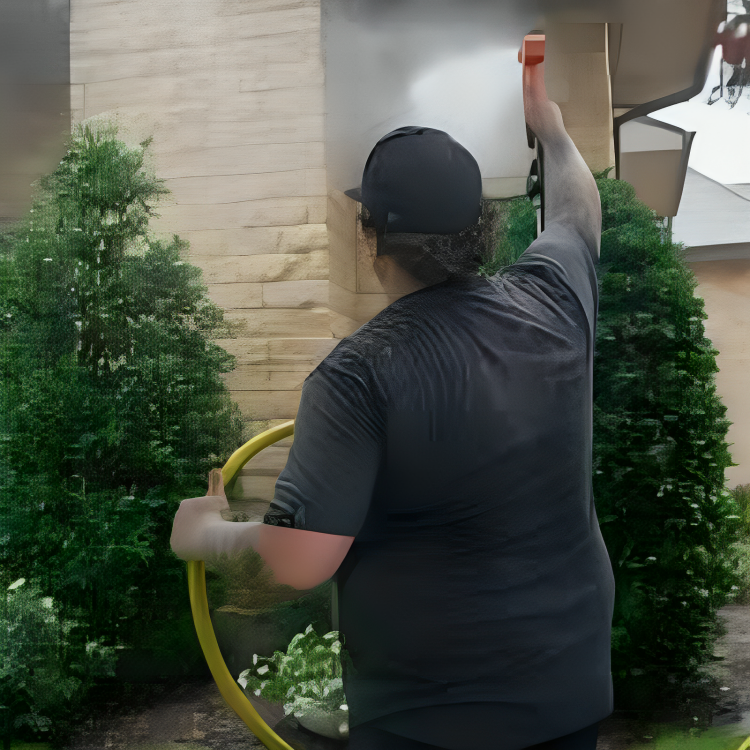
Pressure washing is one of the most common exterior maintenance services, yet it’s also one of the most misunderstood. Many homeowners and business owners avoid pressure washing—or use the wrong methods—because of myths that have been passed around for years.
These misconceptions can lead to damaged surfaces, unnecessary repairs, or missed maintenance opportunities. In this article, we’ll break down the most common pressure washing myths and explain what property owners really need to know.
Myth 1: Pressure Washing Damages All Surfaces
One of the most widespread myths is that pressure washing automatically damages surfaces. This belief usually comes from seeing poor DIY results or hearing stories about cracked concrete or stripped paint.
The truth is that pressure washing only causes damage when it’s done incorrectly. Surface damage happens when the wrong pressure level or technique is used. Concrete, brick, wood, siding, and roofing materials all require different approaches.
Professional residential pressure washing services use controlled pressure and surface-specific methods to clean effectively without causing harm. When done correctly, pressure washing actually helps preserve surfaces by removing contaminants that cause deterioration.
Myth 2: Pressure Washing Is Only for Looks
Many people assume pressure washing is purely cosmetic. While it does improve appearance, its real value goes far beyond looks.
Dirt, algae, mold, mildew, and pollutants slowly break down surfaces over time. Algae can eat into roofing materials, mold can damage siding, and oil stains can weaken concrete. Pressure washing removes these harmful substances before they cause structural problems.
Regular pressure washing is preventative maintenance. It helps extend the life of surfaces, reduces repair costs, and keeps properties safer by removing slippery buildup.
Myth 3: You Only Need Pressure Washing When Surfaces Look Dirty
Waiting until surfaces look visibly dirty is another common mistake. By the time staining or discoloration is obvious, contaminants have often been present for a long time.
Mold and algae begin growing long before they become visible. These organisms thrive in shaded and damp areas, especially on roofs, siding, and walkways. Early removal is much easier and less aggressive than waiting until buildup becomes severe.
Routine pressure washing keeps surfaces clean before damage starts, which is why many property owners schedule regular service instead of waiting for visible problems.
Myth 4: DIY Pressure Washing Is Just as Effective as Professional Service
DIY pressure washing may seem like an easy way to save money, but it rarely delivers the same results as professional cleaning. Consumer-grade pressure washers lack the power, attachments, and control of professional equipment.
More importantly, experience matters. Many DIY users apply too much pressure in one area and not enough in another, leaving streaks, surface etching, or missed spots. In some cases, water is forced behind siding or into cracks, leading to moisture problems.
Professional pressure washing focuses on consistent coverage, correct pressure, and safe cleaning solutions. This produces deeper, longer-lasting results without risking damage.
Myth 5: Roofs Should Be Pressure Washed the Same Way as Concrete
This is one of the most damaging myths of all. Roofs should never be cleaned using high-pressure washing methods.
High pressure can strip protective granules from shingles, loosen tiles, and void manufacturer warranties. Unfortunately, many property owners learn this the hard way after attempting DIY roof cleaning.
Professional roof cleaning contractors near me use soft washing instead. This method relies on low-pressure water combined with cleaning solutions to safely remove algae, moss, and stains without damaging the roof.
Soft washing cleans more effectively and keeps the roof cleaner for a longer period.
Myth 6: Pressure Washing Harms Landscaping
Another common concern is that pressure washing will damage plants, grass, or landscaping. While improper chemical use can cause harm, professional pressure washing is designed to protect surrounding areas.
Professionals use diluted, surface-safe solutions and take steps to rinse and shield plants as needed. When done correctly, pressure washing does not harm landscaping and often improves the overall appearance of the property.
DIY pressure washing poses a greater risk because users may apply harsh chemicals without understanding how they affect plants and soil.
Myth 7: Pressure Washing Is a One-Time Service
Some property owners believe pressure washing is something you do once and never need again. In reality, exterior surfaces are constantly exposed to weather, pollution, and organic growth.
Rain, humidity, shade, and foot traffic all contribute to buildup. That’s why pressure washing is most effective as part of a regular maintenance schedule.
Homes typically benefit from annual or semi-annual cleaning, while commercial properties often require more frequent service due to higher traffic and stricter appearance standards
Myth 8: All Pressure Washing Companies Do the Same Thing
Not all pressure washing services are equal. Experience, equipment, and cleaning methods vary widely from one company to another.
A qualified provider understands surface materials, proper pressure levels, and safe cleaning solutions. They also carry insurance and follow safety standards. Choosing a professional with experience in residential and commercial cleaning ensures the job is done correctly the first time.
Hiring the cheapest option without considering experience often leads to poor results or damage.
Why Understanding These Myths Matters
Believing pressure washing myths can cost property owners time and money. Avoiding pressure washing leads to buildup and damage, while improper DIY methods create unnecessary risk.
Understanding how pressure washing really works allows property owners to make informed decisions about maintenance. Clean surfaces last longer, look better, and create safer environments for residents, customers, and visitors.
Conclusion
Pressure washing is one of the most effective ways to protect and maintain exterior surfaces, but only when it’s done correctly. Myths about surface damage, DIY effectiveness, and roof cleaning often prevent property owners from taking proper care of their buildings.
Professional residential pressure washing services remove harmful buildup safely and efficiently, while experienced roof cleaning contractors near me use soft washing techniques to protect roofing materials and extend their lifespan.
When pressure washing is approached as preventative maintenance rather than a cosmetic fix, it becomes a smart investment in the long-term health of your property.

 English
 Arabic
 French
 Spanish
 Portuguese
 Deutsch
 Turkish
 Dutch
Dutch
 Italiano
 Russian
 Romaian
 Portuguese (Brazil)