


Vintage Designer Furniture: Where Craftsmanship Meets Lasting Investment
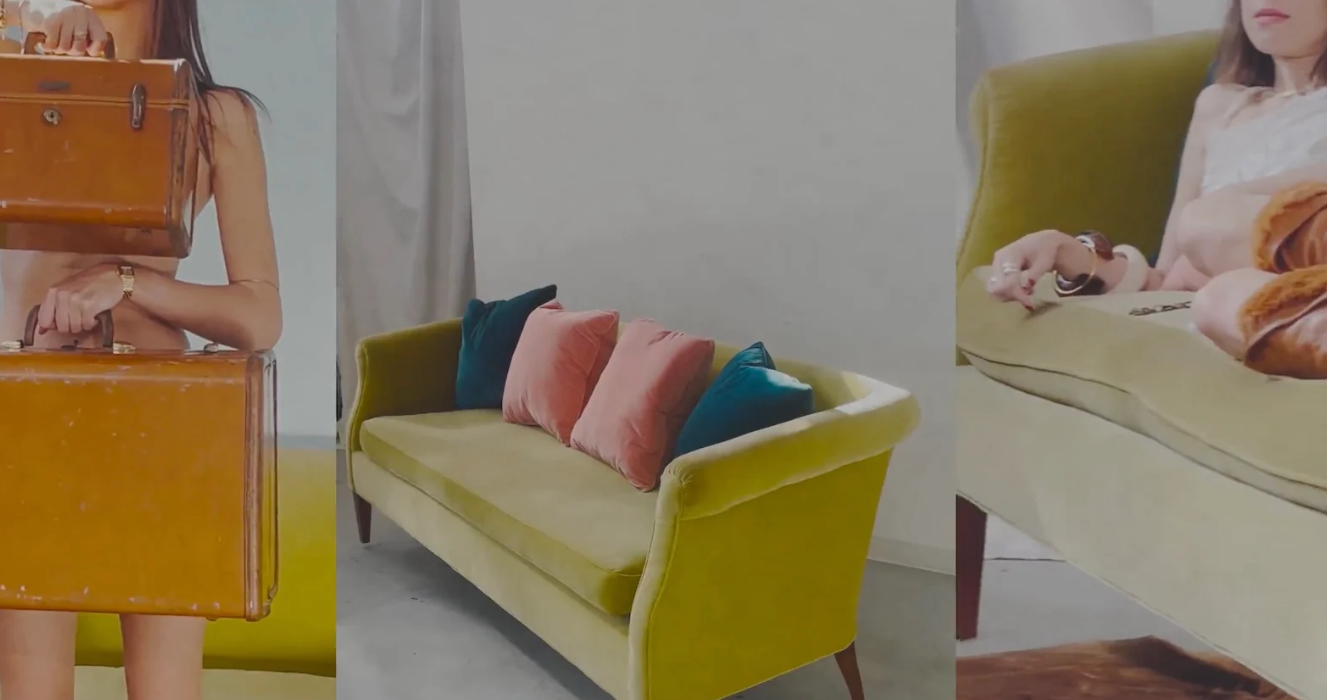
In a world dominated by fast furniture and mass production, vintage designer furniture stands apart. These pieces tell stories — of designers, eras, and craftsmanship that prioritized quality over convenience. For collectors, designers, and discerning homeowners, vintage designer furniture represents more than style. It represents value, history, and intention.
Unlike trend-driven decor, vintage designer furniture holds its relevance across decades. It bridges function and art, offering beauty that lasts and often appreciates over time. This article explores why these pieces continue to captivate collectors and why they are increasingly viewed as smart design investments.
What Defines Vintage Designer Furniture
Vintage designer furniture refers to authentic pieces created by recognized designers, typically produced several decades ago, often between the mid-20th century and late 20th century. These are not reproductions or retro-inspired items — they are original works rooted in a specific design era.
What sets them apart is authorship. The designer’s philosophy, craftsmanship standards, and creative vision are embedded into each piece. This makes vintage designer furniture both functional and collectible, appealing to those who value originality and provenance.
Craftsmanship That Modern Production Rarely Matches
One of the most compelling reasons vintage designer furniture remains desirable is craftsmanship. Many of these pieces were produced at a time when manufacturing emphasized durability, hand-finishing, and material integrity.
Solid woods, premium metals, and high-quality upholstery were standard, not upgrades. Joinery techniques were designed to last decades, not years. This level of care results in furniture that still performs beautifully long after its creation.
It’s why so many original pieces remain structurally sound today, often requiring minimal restoration.
The Difference Between Vintage, Antique, and Reproduction
Understanding terminology matters when investing in furniture. Antique pieces are typically over 100 years old, while vintage furniture usually falls between 20 and 80 years old. Reproductions, on the other hand, are modern items inspired by older designs.
Vintage designer furniture occupies a unique position. It offers historical significance without the fragility often associated with antiques. Unlike reproductions, vintage pieces carry authenticity, scarcity, and design integrity.
This distinction is critical for collectors and buyers who value originality over imitation.
Why Collectors Value Designer Provenance
Provenance — the documented history of a piece — plays a major role in value. Knowing who designed the furniture, where it was produced, and when it originated adds depth and credibility.
Well-documented vintage designer furniture often becomes more desirable over time, particularly when linked to influential designers or iconic movements. This provenance transforms furniture into cultural artifacts rather than simple household items.
Collectors seek pieces with clear origins because authenticity protects both aesthetic and financial value
Investment Potential of Vintage Designer Furniture
Unlike mass-produced furniture that depreciates quickly, vintage designer furniture often holds or increases its value. Limited production runs, discontinued designs, and historical importance all contribute to appreciation.
Market demand for original designer pieces continues to grow, driven by collectors, interior designers, and buyers seeking sustainable alternatives to disposable furniture.
For many, vintage furniture serves a dual purpose — functional use today and asset value tomorrow.
Why Interior Designers Prefer Vintage Pieces
Interior designers often incorporate vintage designer furniture to create spaces with depth and character. These pieces introduce contrast, authenticity, and visual interest that new furniture alone cannot achieve.
A single vintage chair, table, or credenza can anchor a room and elevate the entire interior. Designers appreciate the uniqueness these pieces bring, ensuring spaces don’t feel generic or overly styled.
This is why curated vintage designer furniture remains a staple in high-end residential and commercial projects.
Sustainability and Responsible Design Choices
Sustainability is no longer optional — it’s essential. Vintage furniture aligns naturally with eco-conscious living by extending the lifecycle of existing pieces.
Choosing vintage reduces demand for new production, lowers material waste, and minimizes environmental impact. Instead of contributing to disposable consumption, buyers invest in furniture built to last.
This makes vintage designer furniture not just a style choice, but an ethical one.
How Vintage Furniture Fits Modern Living
Despite its age, vintage designer furniture integrates seamlessly into modern interiors. Clean lines, thoughtful proportions, and timeless materials allow these pieces to complement contemporary architecture and decor.
Vintage doesn’t mean outdated. When styled thoughtfully, these pieces add warmth and personality to minimalist, modern, or even industrial spaces.
The key lies in balance — allowing vintage pieces to stand out without overwhelming the room.
Common Myths About Vintage Furniture
One common misconception is that vintage furniture is fragile or impractical. In reality, many vintage designer pieces outperform modern equivalents in durability.
Another myth is that vintage furniture doesn’t suit modern lifestyles. On the contrary, its ergonomic designs and functional focus make it surprisingly adaptable to contemporary living.
Understanding these realities helps buyers make confident, informed decisions.
Caring for Vintage Designer Furniture
Proper care preserves both beauty and value. Gentle cleaning, controlled humidity, and mindful use help maintain original finishes and structural integrity.
Minor restoration, when done professionally, can enhance longevity without diminishing authenticity. Responsible care ensures that vintage designer furniture continues to be enjoyed for generations.
Why Authentic Curation Matters
Not all vintage furniture is investment-worthy. Careful curation ensures that pieces meet standards of design, condition, and authenticity.
Choosing thoughtfully sourced vintage designer furniture gives buyers confidence that each piece carries genuine design value rather than superficial appeal.
Curation separates meaningful design from mass nostalgia.
Vintage Furniture as Personal Expression
Beyond value and craftsmanship, vintage designer furniture allows personal expression. Each piece carries character shaped by time, use, and design philosophy.
Unlike mass-produced items, no two vintage pieces feel exactly the same. This individuality resonates with buyers who want their homes to reflect personal taste rather than trends.
Market Demand and Long-Term Relevance
The demand for vintage designer furniture continues to rise as buyers become more design-literate and sustainability-conscious. Originality and quality are increasingly valued over convenience.
As design trends cycle faster, timeless furniture becomes even more relevant. Vintage pieces remain immune to trend fatigue because they were never trend-dependent to begin with.
Final Thoughts
Vintage designer furniture sits at the intersection of craftsmanship, history, and long-term value. These pieces offer more than visual appeal — they offer authenticity, durability, and investment potential.
For collectors, designers, and homeowners alike, vintage designer furniture represents a thoughtful choice that honors design legacy while enhancing modern living.
True design never expires — it evolves with the people who appreciate it.

 Arabic
 French
 Spanish
 Portuguese
 Deutsch
 Turkish
 Dutch
Dutch
 Italiano
 Russian
 Romaian
 Portuguese (Brazil)
 Greek
Greek