


Different Types of Solar Pumps and Their Common Applications
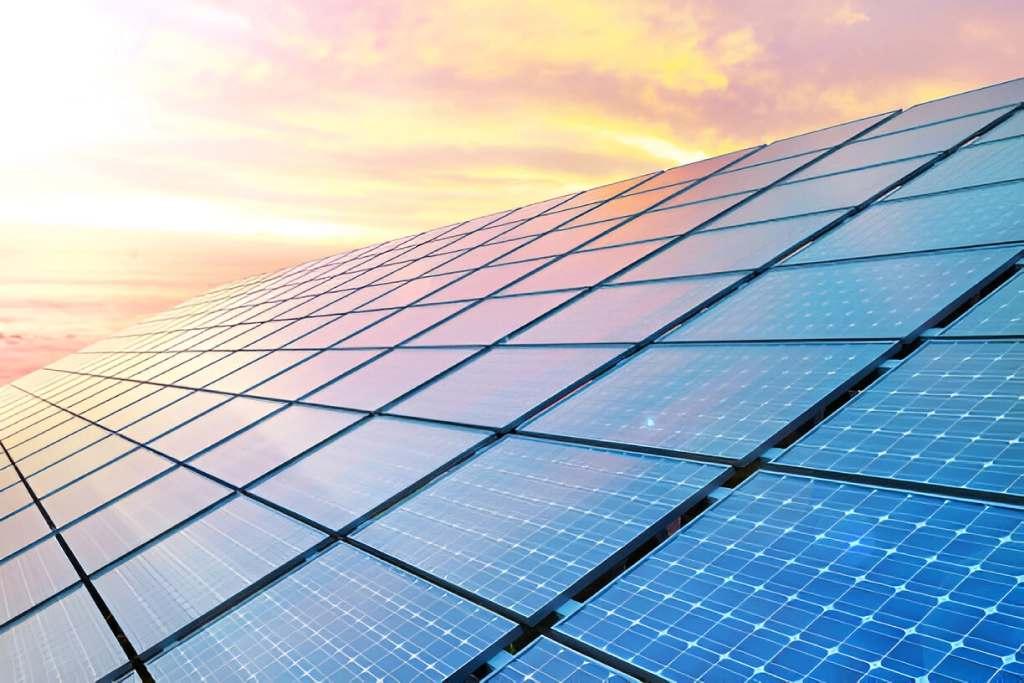
Water is one of the most important resources for life, farming, and industry. In many areas, especially rural and semi-rural regions, access to reliable electricity is limited. Diesel pumps are expensive to run and cause pollution. Because of this, many people are now looking for clean and affordable alternatives. Solar-powered pumping systems have become a practical solution for drawing water using energy from the sun.
In the early stages of adoption, solar pumps were mainly used in agriculture. Today, their use has expanded to homes, community water supply, livestock, and even small industries. Solar pumps work by converting sunlight into electricity, which then runs a motor to lift water from a source such as a well, borewell, pond, or river.
This article explains solar pumps in a very simple way. It covers the different types available, how they work, and where they are commonly used. By understanding these basics, users can choose the right pump for their needs and make better decisions for long-term water management.
What Is a Solar Pump?
A solar pump is a water pumping system that uses energy from the sun instead of grid electricity or fuel. It mainly consists of solar panels, a controller, a motor, and a pump. The solar panels capture sunlight and convert it into electrical energy. This energy powers the motor, which runs the pump and lifts water from the source.
Solar pumps can work during daylight hours without batteries, or they can be connected to batteries for water pumping during cloudy conditions or at night. They are designed to be durable, low-maintenance, and suitable for outdoor conditions.
These pumps are especially useful in areas where electricity supply is unreliable or where fuel costs are high. Once installed, the running cost is very low because sunlight is free.
Why Solar Pumps Are Gaining Popularity
The demand for solar pumping systems is growing for many reasons. One major reason is rising fuel and electricity costs. Another reason is the need to protect the environment by reducing pollution. Solar pumps offer a clean and renewable solution.
They also help farmers and users become more independent. There is no need to wait for power supply schedules or worry about fuel shortages. With proper sunlight, water can be pumped regularly.
Governments and organizations also support solar pump adoption through subsidies and awareness programs. This makes them more affordable for farmers and rural users.
Main Types of Solar Pumps
Solar pumps are mainly classified based on their design, motor type, and application. Below are the most common types explained in simple terms.
Surface Solar Pumps
Surface solar pumps are installed above the ground and are used to pump water from shallow sources. These sources include ponds, lakes, canals, tanks, and shallow wells.
How Surface Solar Pumps Work
These pumps are placed near the water source. A suction pipe draws water into the pump, and the pump then pushes the water through a delivery pipe to the required location. They are easy to install and maintain.
Common Applications of Surface Solar Pumps
Surface solar pumps are widely used in agriculture for irrigating fields using water from canals or ponds. They are also used for garden watering, fish farming, and small community water supply systems.
They are best suited for situations where the water level is not very deep, usually up to a limited depth.
Submersible Solar Pumps
Submersible solar pumps are installed underwater. They are placed inside borewells, deep wells, or tanks. These pumps push water upward instead of pulling it.
How Submersible Solar Pumps Work
The pump and motor are sealed together and placed below the water level. When powered by solar energy, the motor drives the pump, which pushes water through pipes to the surface.
Common Applications of Submersible Solar Pumps
These pumps are mainly used for deep borewells in agricultural fields. They are also used for drinking water supply in villages, livestock watering, and industrial water needs.
Submersible pumps are suitable for deep water sources and provide steady water flow. They are durable and can work efficiently for many years with minimal maintenance.
DC Solar Pumps
DC solar pumps run on direct current (DC) electricity. Solar panels naturally produce DC power, which makes these pumps very efficient.
Features of DC Solar Pumps
DC pumps usually do not need an inverter. This reduces energy loss and improves overall efficiency. They are designed to work well even in low sunlight conditions.
Common Uses of DC Solar Pumps
DC solar pumps are commonly used in small and medium-scale applications. These include drip irrigation systems, gardens, livestock water supply, and household water needs.
They are also suitable for remote areas where simplicity and efficiency are important.
AC Solar Pumps
AC solar pumps run on alternating current (AC) electricity. They require an inverter to convert DC power from solar panels into AC power.
Features of AC Solar Pumps
AC pumps are generally more powerful than DC pumps. They are available in higher capacities and can handle large volumes of water.
Common Uses of AC Solar Pumps
AC solar pumps are widely used in large farms, commercial irrigation projects, and community water systems. They are also suitable for applications where higher water discharge is required.
Although they involve slightly higher system complexity, they are reliable and effective for heavy-duty use.
Centrifugal Solar Pumps
Centrifugal pumps are one of the most common pump designs. They use rotating impellers to move water.
How Centrifugal Solar Pumps Work
When the impeller rotates, it creates centrifugal force. This force pushes water outward and increases its speed and pressure, allowing it to flow through the outlet pipe.
Applications of Centrifugal Solar Pumps
These pumps are widely used for irrigation, water transfer, and drainage. They are suitable for both surface and submersible designs.
Centrifugal pumps are known for smooth operation and easy maintenance.
Positive Displacement Solar Pumps
Positive displacement pumps move water by trapping a fixed amount and forcing it through the system.
How Positive Displacement Pumps Work
They use mechanisms such as pistons, diaphragms, or screws to move water. Each cycle moves a specific volume of water.
Applications of Positive Displacement Solar Pumps
These pumps are ideal for situations where high pressure is needed with low flow rates. They are commonly used in drip irrigation, water treatment systems, and precise water delivery tasks.
They perform well even in low sunlight conditions.
Solar Pumps Based on Water Source
Solar pumps can also be classified based on where the water comes from.
Borewell Solar Pumps
These are designed for deep underground water sources. They are usually submersible pumps with strong motors.
They are commonly used in agriculture and rural water supply systems.
Open Well Solar Pumps
Open well pumps are used in wells with larger diameters. They can be surface or submersible types.
They are often used for household water supply and small-scale irrigation.
Solar Pumps for Surface Water Bodies
These pumps draw water from rivers, ponds, lakes, and canals. They are mostly surface pumps and are used for irrigation and water transfer.
Common Applications of Solar Pumps
Solar pumps are used in many sectors. Below are some of the most common applications.
Agricultural Irrigation
Agriculture is the largest user of solar pumping systems. Farmers use them to irrigate crops without depending on grid electricity or diesel.
They support different irrigation methods such as flood irrigation, sprinkler systems, and drip irrigation. This helps improve crop yield and reduce water wastage.
Drinking Water Supply
Solar pumps provide clean drinking water to rural and remote communities. They are used to lift water from borewells and supply it to storage tanks.
This improves water availability and reduces the burden on women and children who often travel long distances to fetch water.
Livestock Watering
Animal farms and grazing areas use solar pumps to supply water to cattle, goats, and other animals. This ensures a regular water supply even in remote areas.
Gardening and Landscaping
Homes, parks, and resorts use solar pumps for garden watering and landscaping. They are quiet, eco-friendly, and cost-effective.
Industrial and Commercial Use
Small industries use solar pumps for cooling, cleaning, and water circulation. Commercial buildings also use them for water management and sustainability goals.
Advantages of Using Solar Pumps
Solar pumps offer many benefits. They reduce electricity and fuel costs, lower pollution, and require less maintenance. They also work independently of the power grid.
With proper installation, they can operate for many years and provide reliable water supply.
Factors to Consider Before Choosing a Solar Pump
Before selecting a pump, users should consider the water source depth, required water flow, daily water needs, and available sunlight.
It is also important to choose the right pump type and size for long-term efficiency.
Conclusion
Solar pumping systems are a smart and sustainable solution for modern water needs. With different types available for various applications, users can easily find a system that suits their requirements. From agriculture and drinking water to livestock and industry, solar pumps are making water access easier and cleaner.
A trusted provider like Solar Prabha helps users select the right solar water pumps system, ensuring quality installation and long-term performance. Choosing solar-powered pumping solutions today supports cost savings, energy independence, and a greener future for everyone.

 English
 Arabic
 French
 Spanish
 Portuguese
 Deutsch
 Turkish
 Dutch
Dutch
 Italiano
 Russian
 Portuguese (Brazil)
 Greek
Greek