


Breast implants and breastfeeding: what women in Riyadh should know
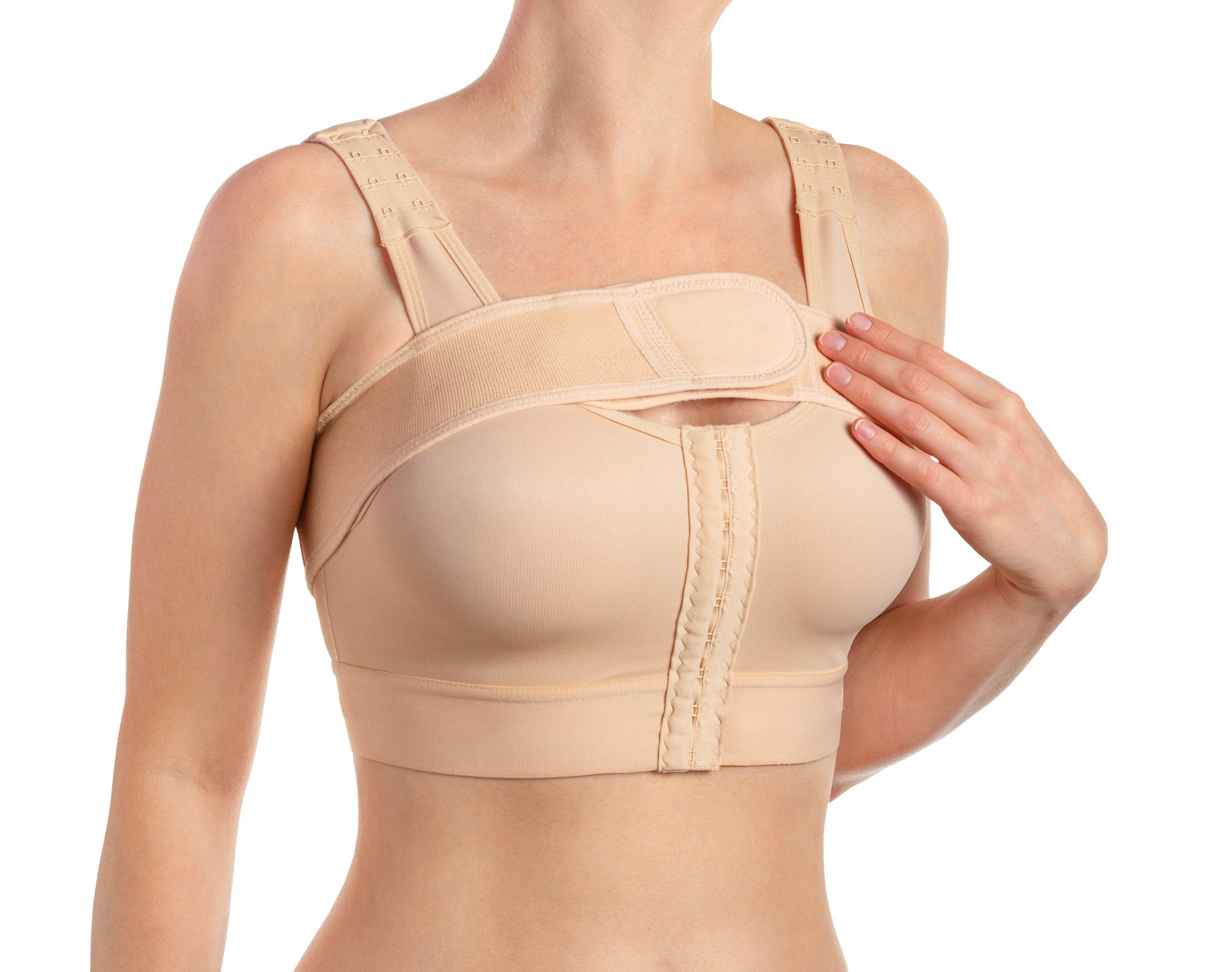
Breast implants are a common cosmetic choice for women who want fuller or more symmetrical breasts. If you live in Riyadh and are considering breast augmentation, one of the most important questions you may have is: Will breast implants affect breastfeeding? Many women worry about whether they can breastfeed successfully after surgery, and what risks may exist. The good news is that breast implants do not automatically prevent breastfeeding, but there are several factors to consider. Here’s what women in Riyadh should know about breast implants and breastfeeding. Breast implants in Riyadh have become a popular choice for women seeking a natural-looking enhancement with safe and modern surgical options.
1. Breast Implants Do Not Always Affect Breastfeeding
Most women with breast implants can breastfeed successfully. Breastfeeding depends on the milk glands and ducts, which are usually unaffected by implants, especially when the implants are placed properly. Many women who have implants go on to breastfeed without issues, and many doctors confirm that implants alone do not stop milk production.
However, successful breastfeeding can depend on implant placement, incision type, and individual anatomy.
2. Incision Type Matters
The incision location can influence the ability to breastfeed:
-
Inframammary incision (under the breast fold):
This is the most common incision and is considered the safest for breastfeeding. It has minimal impact on milk ducts and nerves. -
Transaxillary incision (under the arm):
This incision avoids the breast tissue and usually does not affect breastfeeding. -
Periareolar incision (around the nipple):
This incision has the highest risk of affecting breastfeeding because it may cut through milk ducts and nerves. It can also reduce nipple sensitivity, which may impact milk letdown.
If you plan to breastfeed in the future, you should discuss incision options with your surgeon during your consultation.
3. Implant Placement Can Influence Breastfeeding
There are two main implant placement options:
-
Submuscular (under the muscle):
This placement is less likely to interfere with breast tissue and milk ducts. It is often recommended for women who plan to breastfeed. -
Subglandular (over the muscle, under the breast tissue):
This placement may have a slightly higher risk of affecting milk production because it sits closer to the breast tissue.
Your surgeon will help determine the best placement based on your body type, breast anatomy, and future plans for breastfeeding.
4. Breastfeeding After Pregnancy and Implant Surgery
Many women get implants before having children. If you become pregnant after breast augmentation, your breasts will naturally change due to hormonal shifts and milk production. This can affect the appearance and feel of the implants, but most women can still breastfeed.
It’s important to understand:
-
Pregnancy can stretch breast tissue, which may change the position of implants or cause sagging.
-
Breastfeeding can affect breast shape, and implants may shift slightly over time.
-
After breastfeeding, your breasts may not return to the exact pre-pregnancy shape. This is normal and can occur even without implants.
If you are planning to have children, discuss this with your surgeon so they can plan your surgery accordingly.
5. Milk Production and Implant Type
The type of implant (silicone vs saline) does not directly affect breastfeeding. Both implant types sit behind the breast tissue and do not change the body’s ability to produce milk.
The main factors that influence breastfeeding are:
-
Surgical technique
-
Incision placement
-
Amount of breast tissue
-
Individual body response
So choosing silicone or saline implants is more about aesthetics, feel, and personal preference than breastfeeding ability.
6. Breastfeeding Success Tips for Women with Implants
If you have implants and plan to breastfeed, these tips can help increase your chances of success:
-
Choose a breastfeeding-friendly surgeon and technique.
-
Wait for full recovery before starting breastfeeding. Most doctors recommend waiting at least 6–8 weeks after surgery before attempting breastfeeding.
-
Practice proper latching and positioning. A good latch helps stimulate milk production.
-
Seek support from a lactation consultant. They can help with positioning, milk supply, and any concerns you may have.
-
Monitor your baby’s feeding and growth. If the baby is not gaining weight or feeding well, consult your doctor.
Most women with implants breastfeed successfully when they receive proper guidance and support.
7. Risks and Considerations
While many women breastfeed successfully after implants, there are some potential risks:
-
Reduced milk supply (rare but possible, especially with periareolar incision)
-
Nipple sensitivity changes, which can affect letdown
-
Possible discomfort if implants press on breast tissue during breastfeeding
-
Risk of infection if the incision area becomes irritated or inflamed
It’s important to monitor your body and talk to your doctor if you experience any issues.

 English
 Arabic
 French
 Spanish
 Portuguese
 Deutsch
 Turkish
 Italiano
 Russian
 Romaian
 Portuguese (Brazil)
 Greek
Greek