


How to Use Data Enrichment to Turn Raw Data into Actionable Insights
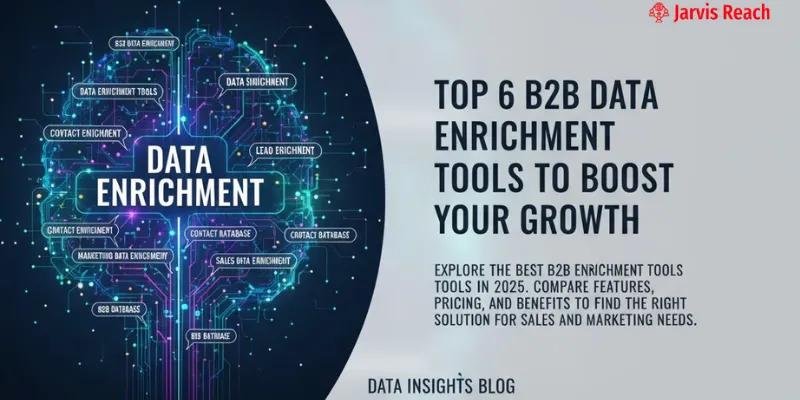
I still remember the first CRM system I worked with early in my IT career. On paper, it looked impressive thousands of contacts, neat dashboards, endless filters. But when sales actually tried to use it, frustration set in fast. Job titles were missing. Company sizes were wrong. Half the emails bounced.
That experience taught me something important: a CRM is only as good as the data inside it.
This is where data enrichment quietly becomes one of the most powerful tools in modern sales and IT operations. When done right, it transforms messy contact lists into revenue-driving assets and turns sales pipelines into something teams can actually trust.
Let’s break down how it works and why it matters more than most people realize.
Why CRMs and Sales Pipelines Break Down Without Enriched Data
At its core, a CRM is meant to answer simple questions:
- Who should we contact?
- When should we reach out?
- What’s the best message for this prospect?
But raw data rarely gives you those answers. Most contact databases start with just a name and an email. That might have worked years ago, but today’s sales teams need far more context.
Without customer data enrichment, pipelines fill with unqualified leads, sales cycles drag on, and reps waste time chasing the wrong people. Over time, trust in the system erodes and once that happens, adoption drops fast.
What Data Enrichment Actually Does (In Plain English)
Think of data enrichment like filling in the blanks on a form you didn’t know you needed.
It takes existing records and enhances them with additional details such as:
- Job titles and seniority
- Company size and industry
- Location and firmographics
- Technology stack
- Social or professional profiles
In B2B environments, B2B data enrichment is especially valuable because buying decisions are rarely made by one person. Knowing who someone is and where they sit in the organization changes everything.
How Contact and Lead Enrichment Improve Sales Conversations
One of the biggest shifts I’ve seen comes from contact enrichment and lead enrichment working together.
Instead of cold outreach that feels generic, sales reps can:
- Personalize messaging based on role and industry
- Prioritize leads that match ideal customer profiles
- Route high-quality leads faster through the pipeline
When sales data enrichment is done properly, conversations start warmer, objections decrease, and deals move faster. It’s not magic it’s relevance.
And relevance is what buyers respond to.
Strengthening CRM Accuracy and Trust
From an IT perspective, this is where things get interesting.
A CRM filled with outdated or incomplete data creates operational friction:
- Bad reporting
- Inaccurate forecasts
- Misaligned sales and marketing teams
By using data enrichment tools, teams can automatically update records, validate fields, and reduce manual data entry. That means fewer errors, cleaner dashboards, and more confidence in decision-making.
Over time, this builds trust not just in the CRM, but in the systems IT teams are responsible for maintaining.
The Role of Marketing Data Enrichment in Pipeline Growth
Sales doesn’t operate in a vacuum. Marketing plays a huge role in feeding the pipeline, and marketing data enrichment helps ensure quality over quantity.
With enriched B2B data, marketing teams can:
- Segment audiences more accurately
- Deliver more relevant campaigns
- Pass higher-quality leads to sales
When marketing and sales are working from the same enriched B2B database, alignment improves naturally. Fewer leads fall through the cracks, and handoffs feel smoother.
Choosing the Right Data Enrichment Tools
Not all tools are created equal. Some focus on firmographics, others on technographics or contact-level details.
When evaluating data enrichment tools, look for:
- CRM-native integrations
- Real-time or scheduled updates
- Coverage for your target industries
- Clear data sources and compliance standards
From an IT career standpoint, understanding how these tools integrate into existing systems is a valuable skill. It’s not just about data it’s about architecture, automation, and long-term scalability.
Why This Skill Matters for IT and Data Careers
If you’re exploring a career in IT, sales operations, or data engineering, data enrichment is one of those behind-the-scenes capabilities that delivers outsized impact.
It sits at the intersection of:
- Data quality
- System integration
- Business outcomes
Being the person who understands how to turn raw data into reliable insight makes you indispensable especially in B2B environments where accuracy drives revenue.
Final Thoughts: Better Data Builds Better Pipelines
CRMs don’t fail because teams don’t care. They fail because the data isn’t good enough to support real work.
By investing in customer data enrichment, lead enrichment, and clean contact databases, organizations build sales pipelines that are easier to manage, easier to trust, and far more effective.

 English
 Arabic
 French
 Spanish
 Deutsch
 Turkish
 Dutch
Dutch
 Italiano
 Russian
 Romaian
 Portuguese (Brazil)
 Greek
Greek