


Hair loss with exosomes in Riyadh: who should avoid exosome therapy
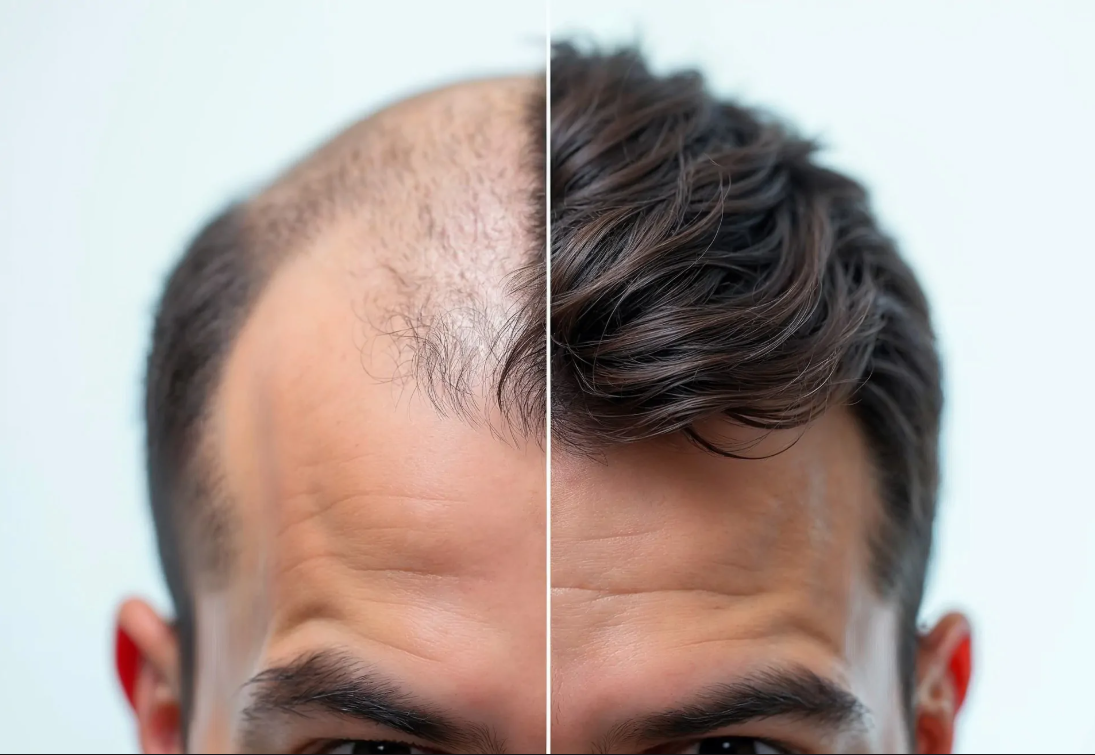
Exosome therapy is a modern and advanced treatment for hair loss that has gained popularity in Riyadh due to its regenerative properties. It uses tiny cell-derived particles called exosomes, which carry growth signals and proteins that can stimulate hair follicles, improve blood circulation, and reduce inflammation. While many patients benefit from this treatment, exosome therapy is not suitable for everyone. There are specific conditions and situations where this therapy should be avoided to prevent complications or ineffective results. Understanding who should avoid exosome therapy is important for safety and better treatment outcomes. Hair loss with exosomes in Riyadh is becoming a popular treatment option for people seeking non-surgical hair restoration solutions.
1. People with Advanced or Complete Baldness
Exosome therapy works best when hair follicles are still present but weak or dormant. In cases of advanced hair loss where the follicles are completely destroyed or replaced by scar tissue, exosome treatment may not be effective. Individuals with large bald areas and no remaining hair follicles are less likely to see significant improvement. In such cases, other treatments like hair transplant may be more suitable. Therefore, patients with severe hair loss should discuss other options with a specialist instead of relying solely on exosome therapy.
2. Patients with Active Scalp Infections or Severe Scalp Conditions
Exosome therapy involves injecting a solution into the scalp. If there is an active infection, open wounds, or severe scalp conditions such as eczema, psoriasis, or severe dandruff, the treatment should be postponed. Injecting into an infected or inflamed scalp can worsen the condition and increase the risk of complications. It is important to treat the scalp condition first and only consider exosome therapy once the scalp is healthy and free of infection.
3. People with Autoimmune Diseases or Immune System Disorders
Individuals with autoimmune diseases or weakened immune systems should be cautious about exosome therapy. Autoimmune conditions can affect how the body responds to regenerative treatments. Since exosome therapy involves donor-derived materials, there is a theoretical risk that the immune system may react negatively. People with conditions like lupus, rheumatoid arthritis, or other immune-related disorders should consult their doctor and consider alternative treatments. In some cases, exosome therapy may not be recommended.
4. Patients with Cancer or a History of Cancer
Exosome therapy stimulates cell growth and regeneration, which is beneficial for hair follicles. However, for individuals with cancer or a history of cancer, stimulating cell growth may pose risks. Even though exosomes are generally considered safe, they are not recommended for patients with active cancer or those who are undergoing cancer treatment. It is important to prioritize safety and consult an oncologist before considering any regenerative therapy.
5. Pregnant or Breastfeeding Women
Pregnant and breastfeeding women should avoid exosome therapy for hair loss. During pregnancy, hormonal changes can affect hair growth and hair loss patterns. It is generally recommended to avoid elective cosmetic treatments during pregnancy unless approved by a medical professional. Exosome therapy has not been extensively studied in pregnant or breastfeeding women, so it is safer to postpone the treatment until after childbirth and breastfeeding.
6. People with Severe Allergies or Sensitivity to Injectable Treatments
Although exosome therapy is generally well tolerated, some people may have sensitivity or allergic reactions to the treatment. If you have a history of severe allergies, especially to injectable treatments or unknown substances, it is important to discuss this with your specialist. A skin sensitivity test or patch test may be recommended before the procedure. If you have experienced allergic reactions in the past, it may be safer to avoid exosome therapy.
7. Individuals with Poor Scalp Health or Chronic Skin Problems
Patients with poor scalp health, including chronic inflammation, severe seborrheic dermatitis, or persistent scalp infections, should avoid exosome therapy until their scalp condition is fully treated. The success of exosome treatment depends on a healthy scalp environment. If the scalp is unhealthy, the treatment may not produce the desired results and may even worsen the condition. Treating the scalp first is essential for achieving successful hair regrowth.
8. People Expecting Immediate Results
Exosome therapy is not a quick fix, and results usually take time. People who expect immediate or dramatic results within a few days may feel disappointed. Hair growth is a slow process, and it can take several months to see noticeable improvement. Patients who have unrealistic expectations may feel unsatisfied and should reconsider the treatment or seek guidance from a specialist.

 English
 French
 Spanish
 Portuguese
 Deutsch
 Turkish
 Dutch
Dutch
 Italiano
 Russian
 Romaian
 Portuguese (Brazil)
 Greek
Greek