


Permanent tattoo removal in Riyadh: healing timeline after each session
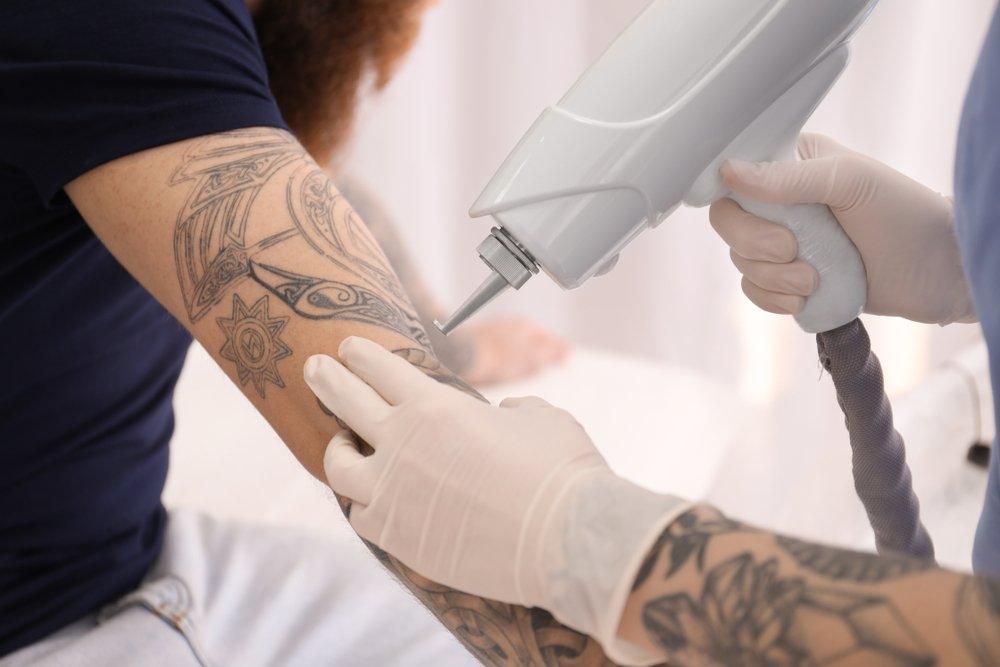
Laser tattoo removal is a popular procedure in Riyadh, but it’s important to understand that it is a process that requires patience. After each session, your skin needs time to heal, and the ink needs time to break down and be removed by your body. The healing timeline can vary depending on the tattoo’s size, color, skin type, and the laser technology used. Below is a detailed healing timeline to help you know what to expect after each session. Permanent tattoo removal in Riyadh has become increasingly popular as more people seek safe and effective ways to erase unwanted ink.
Immediately After the Session (First Few Hours)
Right after the treatment, you will notice immediate changes on the skin. The area may look:
-
Red and swollen
-
Raised or puffy
-
Darkened or “frosted”
The “frosting” effect happens when the laser breaks down the ink and creates tiny gas bubbles in the skin. This can make the tattoo appear whiter or cloudy right after treatment. The skin may also feel warm, similar to a sunburn. Some people experience mild bleeding or pinpoint bleeding, especially if the tattoo is dense or the laser intensity is higher.
What to do:
Apply the recommended cooling gel or cold compress for 10 to 15 minutes to reduce swelling. Avoid touching the area with dirty hands.
First 24 Hours
Within the first day, the redness and swelling may continue, and the area may feel tender. You may notice small blisters or a slight ooze, especially in the first few hours. This is a normal reaction and means your body is beginning the healing process.
What to do:
Keep the area clean and dry. Use the prescribed ointment or a gentle healing cream. Avoid hot showers or excessive sweating.
Days 2 to 4: Blistering and Scabbing Begins
Between 2 to 4 days after the session, blistering and scabbing are common. The skin may form small fluid-filled blisters, and the tattoo may start to look raised or crusty. This is a natural part of healing and indicates that the body is removing the damaged outer skin layers and the broken ink particles.
What to do:
Do not pop or scratch blisters. Avoid picking scabs. Let them fall off naturally. Continue applying the recommended ointment and keep the area clean.
Days 5 to 10: Scabs Start to Fall Off
By days 5 to 10, scabs usually begin to dry out and fall off. As the scabs fall away, you may notice the tattoo appears lighter. This is because the ink particles are being removed along with the scabbed skin.
Some people may experience itching during this period, which is normal. However, scratching can cause scarring or pigmentation issues.
What to do:
If itching is severe, use a mild, fragrance-free moisturizer or consult your clinic for a suitable soothing cream. Continue to avoid sun exposure.
Weeks 2 to 4: Skin Starts to Recover
During the second and third weeks, the skin continues to heal. The treated area may still appear slightly pink or lighter than the surrounding skin. The tattoo will gradually fade as the body’s immune system removes the ink particles. Some people may notice a “cloudy” or whitish appearance that slowly improves over time.
What to do:
Keep applying sunscreen if the area is exposed. Continue to moisturize and avoid any harsh products or scrubbing.
Weeks 4 to 6: Final Healing Before the Next Session
By weeks 4 to 6, most of the skin will have fully healed. The treated area should feel normal and the redness should be gone. This is usually the recommended waiting period before your next session. The tattoo will appear lighter, and you may see patchy fading. The immune system continues to remove ink even after the visible healing is complete.
What to do:
Attend your follow-up appointment as scheduled. If the skin still feels irritated or you have unusual symptoms, consult your clinic before the next session.
Important Notes About Healing
1. Healing Time Varies
Healing time depends on the tattoo size, location, ink density, and your skin type. Smaller tattoos often heal faster, while large tattoos may take longer.
2. Avoid Sun Exposure
Sun exposure can cause pigmentation issues and slow healing. It is important to protect the treated area from sunlight for several weeks after each session.
3. Avoid Swimming and Saunas
Avoid swimming pools, hot tubs, saunas, and steam rooms during the healing period to reduce the risk of infection and irritation.
4. Watch for Signs of Infection
If you experience severe pain, excessive swelling, pus, or fever, contact your clinic immediately. These may be signs of infection.

 English
 Arabic
 French
 Spanish
 Portuguese
 Deutsch
 Turkish
 Dutch
Dutch
 Italiano
 Russian
 Romaian
 Portuguese (Brazil)