


Core Components and Operational Principles of 2 Pin Connectors
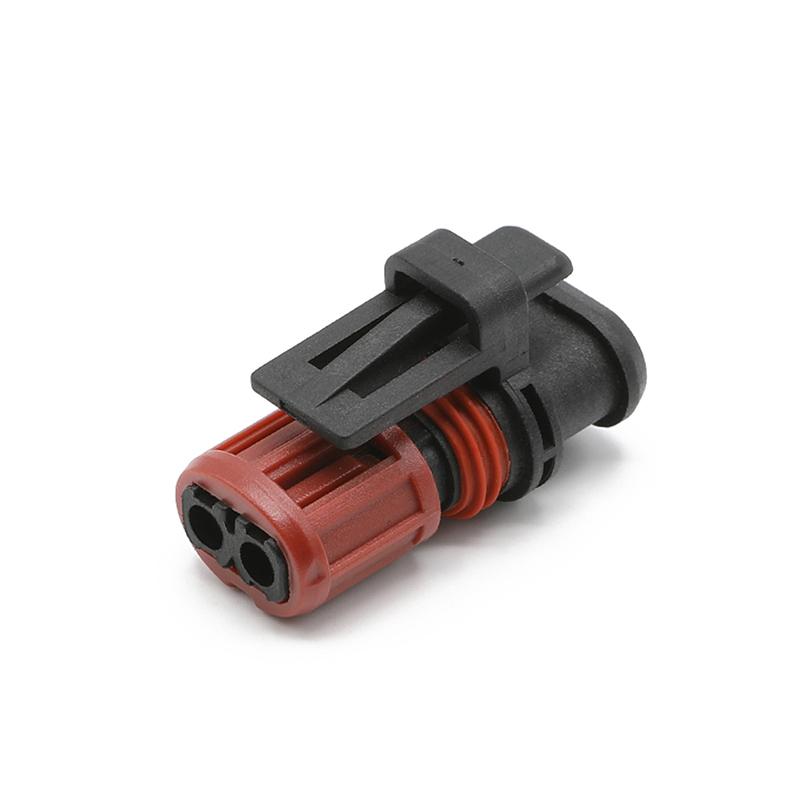
A 2 pin connector represents one of the most elementary yet widely used electrical interface designs across countless electronic and electrical applications. As the name directly implies, this type of connector features precisely two conductive contacts or terminals, enabling the completion of a simple circuit for power delivery or signal transmission. The fundamental purpose of a 2 pin connector is to provide a reliable, detachable link between two wires or between a wire and a device. Its simplicity makes it a foundational building block in systems ranging from low-voltage consumer electronics to specific subsystems within industrial machinery. The basic configuration involves a male plug and a female receptacle, each housing one of the two contacts, which mate together to establish electrical continuity.
The physical construction of a typical 2 pin connector involves several key components. The outer body, or housing, is commonly molded from insulating materials such as plastic, nylon, or thermoplastic rubber. This housing serves to protect the internal pins, provide strain relief for the wires, and ensure user safety by preventing accidental contact with live terminals. Inside, the two metal contacts—often made of brass, phosphor bronze, or copper alloy—are the core conductive elements. These contacts may be plated with tin, silver, or gold to enhance conductivity and resist oxidation. A crucial aspect of any reliable 2 pin connector is its locking or securing mechanism. This can be as simple as friction fit, where the plug is held in place by the tension of the contacts, or it may incorporate a positive latch, screw thread, or push-and-twist bayonet system to prevent accidental disconnection due to vibration or pulling on the cable.
The selection of a specific 2 pin connector for an application depends on several electrical and mechanical parameters. The current rating and voltage rating are primary considerations, dictating the thickness of the pins and the spacing between them to prevent arcing. The physical size or footprint of the 2 pin connector is also important, especially in compact devices. Environmental factors influence the choice as well; for outdoor or harsh environments, a sealed 2 pin connector with rubber grommets or potting may be necessary to protect against moisture and dust. The wire termination method is another variable; some 2 pin connectors use solder cups, others employ crimp contacts for faster assembly, while PCB mount versions have pins designed for direct soldering onto a circuit board. This versatility in design, while maintaining the core concept of two conductive paths, ensures the 2 pin connector remains a universally understood and implemented solution for creating secure, removable electrical connections in a vast array of simple circuit applications.

 English
 Arabic
 French
 Spanish
 Portuguese
 Deutsch
 Turkish
 Dutch
Dutch
 Russian
 Romaian
 Portuguese (Brazil)
 Greek
Greek