


Integration and System Dynamics of the Forklift Hydraulic Pump
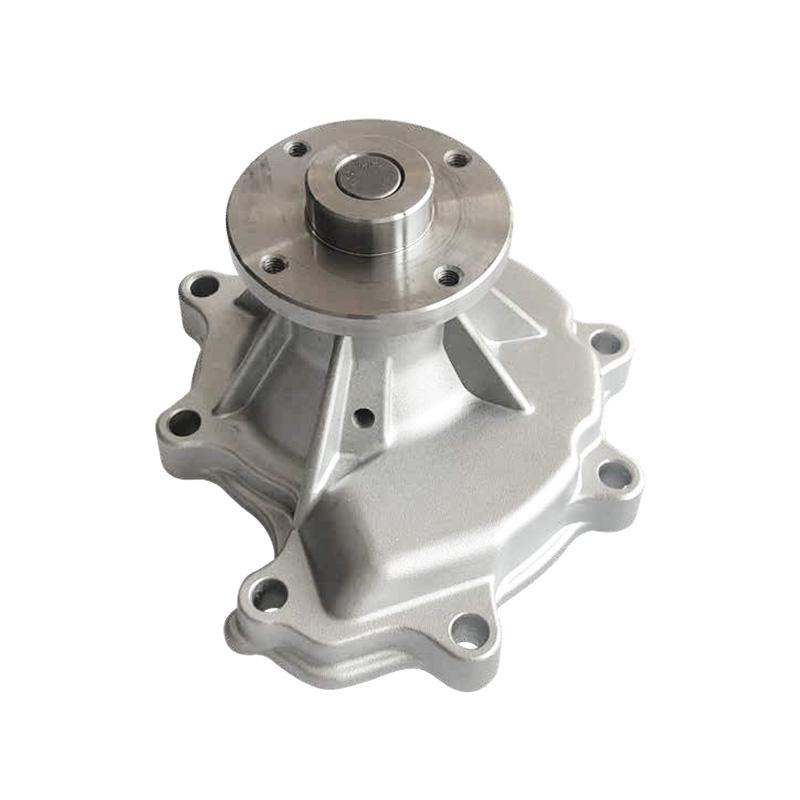
The forklift pump does not operate in isolation; it is the primary source within a closed-loop hydraulic system that includes a reservoir, valves, actuators, and filters. Understanding its integration is key to comprehending forklift functionality. Once the forklift pump pressurizes the hydraulic oil, the fluid travels to a critical component: the main control valve block. This assembly, often a stacked bank of spool valves, acts as the traffic director for the system. The operator's inputs via hydraulic levers in the cabin physically shift these spools, routing the pressurized flow from the forklift pump to the specific hydraulic cylinder requiring action—such as the lift cylinder or the tilt cylinder—while simultaneously providing a return path for oil from the opposite side of the cylinder back to the reservoir.
A vital safety and system protection feature integrated with the forklift pump circuit is the relief valve. This valve is set to a predetermined maximum pressure, typically above the normal working pressure required for the forklift's rated load. If pressure rises excessively due to a blocked line or an attempt to lift a load beyond capacity, the relief valve opens. This action creates a bypass, allowing pressurized oil from the forklift pump to divert directly back to the reservoir, preventing catastrophic failure of hoses, seals, or the pump itself. This built-in pressure limiting is a fundamental design aspect of protecting the investment in the forklift pump and the broader system. Furthermore, the system includes filters to clean the hydraulic oil before it reaches the sensitive components of the forklift pump and control valves, as contamination is a leading cause of pump wear and valve spool sticking.
The demands on a forklift pump vary significantly during different operational phases. During lifting, the pump must provide steady flow against high pressure to raise the load. During lowering, which is often controlled by a lowering valve that meters the return flow, the pump may be moving fluid at a much lower pressure. In electric forklifts, the pump motor's energy draw is a major consideration for battery life. Modern systems may incorporate variable displacement pumps or pump control strategies that adjust output to match demand, improving efficiency. The seamless interaction between the forklift pump, the control valves, and the actuators is what allows for the smooth, responsive handling that operators depend on. Diagnosing hydraulic issues often starts with assessing the output of the forklift pump, checking for adequate flow and pressure, as a failure here affects all subsequent hydraulic functions.

 Arabic
 French
 Spanish
 Portuguese
 Deutsch
 Turkish
 Dutch
Dutch
 Italiano
 Russian
 Romaian
 Portuguese (Brazil)
 Greek
Greek