


Material and Construction: The Foundation of Quality Yarn
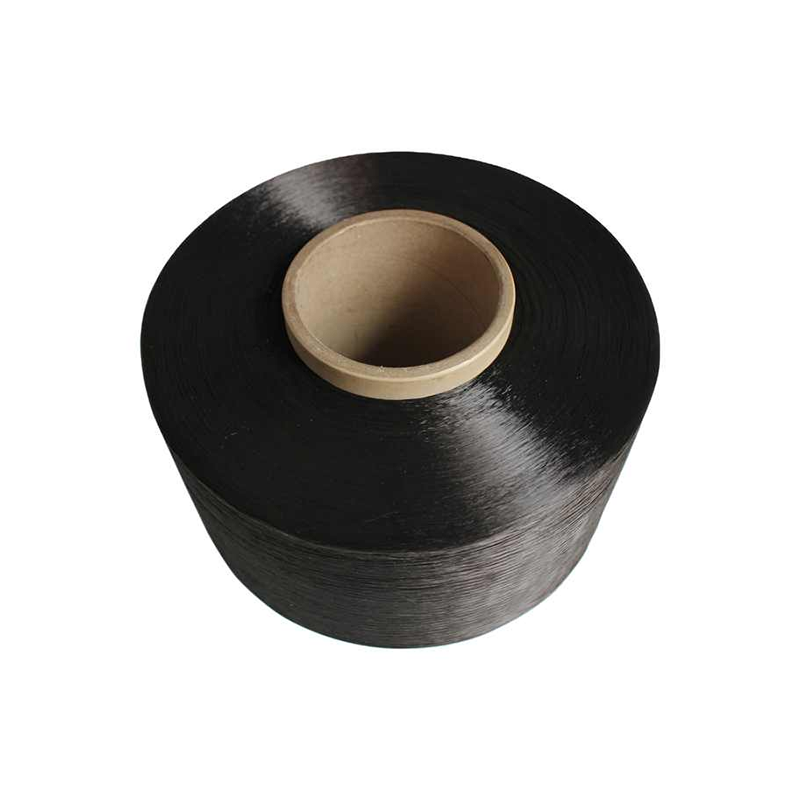
High-quality yarns are defined by a specific set of material, structural, and performance characteristics that distinguish them from ordinary or lower-grade fibers. The pursuit of quality begins at the source, with the selection of superior raw materials. For natural fibers like wool, cashmere, or cotton, this involves choosing breeds or cultivars known for desirable traits—long staple length, fine micron count, and consistent texture. Merino wool, prized for its softness, exemplifies a raw material that forms the basis for many high-quality yarns. For synthetic fibers, the purity of the polymer and the precision of the extrusion process are fundamental. The inherent properties of the chosen material directly influence the feel, durability, and appearance of the final yarn.
Beyond raw material, the spinning process is where potential is transformed into performance. High-quality yarns are produced with meticulous attention to detail during spinning. Consistency is a hallmark; the yarn must have uniform thickness and twist throughout its entire length. An inconsistent yarn, with slubs or thin spots, will create uneven fabric and compromise the strength of the finished project. The twist—the number of turns per inch—is carefully calibrated. Sufficient twist provides integrity and prevents pilling, while too much twist can make a yarn hard and wiry. For plied yarns, where multiple singles are twisted together, the balance and evenness of this plying are critical for producing round, stable high-quality yarns that resist splitting during use.
The finishing processes further refine the yarn’s character. Washing, or scouring, removes natural oils and dirt, resulting in a clean, bright fiber. For wool, additional treatments like superwashing can make the yarn machine-washable while maintaining softness. Dyeing methods also reflect quality. High-quality yarns are often dyed with care for colorfastness and even penetration, ensuring the color remains vibrant and uniform without bleeding. The final product is then wound into skeins or balls under controlled tension to prevent stretching or tangling. When evaluating yarns, craftspeople assess these factors through touch and sight: a smooth, consistent hand-feel, a pleasing drape, and a clear, rich color all signal high-quality yarns. Investing in such materials provides a reliable foundation, ensuring that the time and effort devoted to knitting, weaving, or crocheting result in a finished piece with excellent texture, durability, and aesthetic appeal.

 English
 Arabic
 French
 Spanish
 Portuguese
 Deutsch
 Turkish
 Dutch
Dutch
 Italiano
 Russian
 Romaian
 Greek
Greek