


Hair transplant in Dammam: post-procedure care and do’s and don’ts
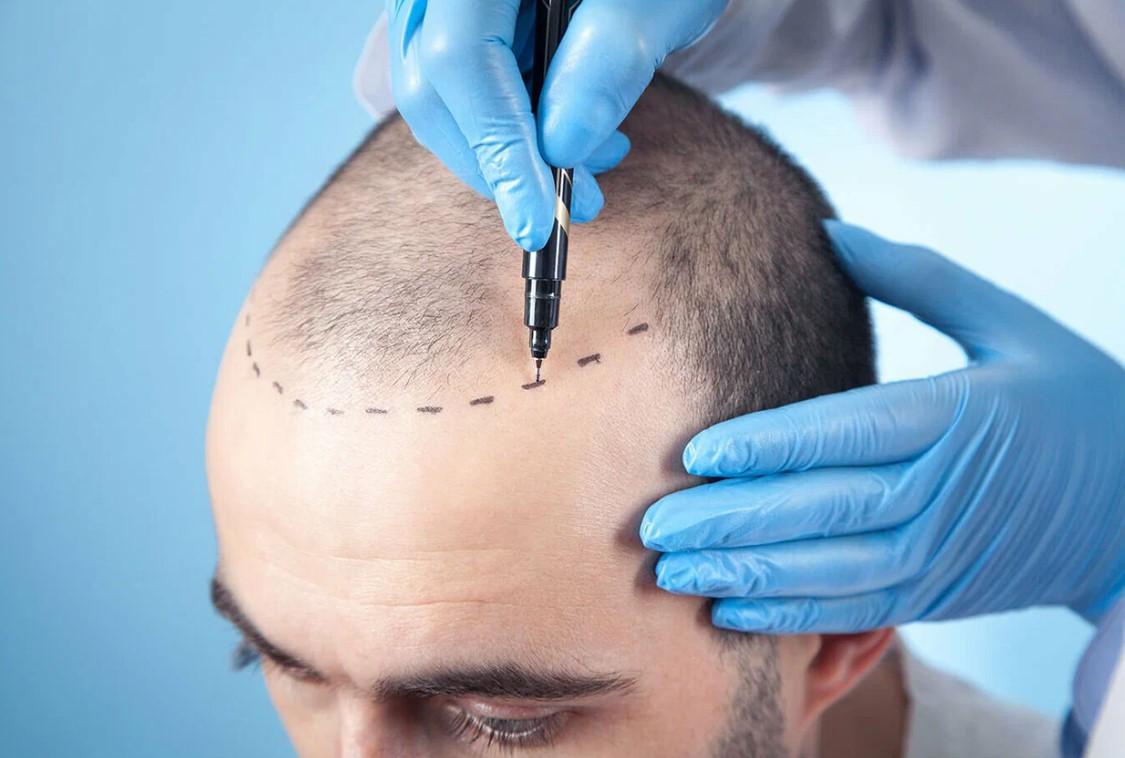
A hair transplant is a significant step toward restoring your hair and confidence. However, the success of the procedure depends not only on the surgeon’s skill but also on your post-procedure care. Following the right instructions after surgery helps protect the grafts, reduces the risk of complications, and ensures optimal growth. Here is a complete guide on post-procedure care and the do’s and don’ts after a hair transplant in Dammam. Hair transplant in Dammam is becoming a popular choice for people looking to restore their hair and confidence with modern, effective techniques.
Immediate Care After the Procedure
After the transplant, your scalp will be sensitive and swollen. You will likely receive a detailed post-operative guide from your surgeon, but here are the general care steps:
-
Rest for the rest of the day
-
Keep your head elevated to reduce swelling
-
Avoid touching the transplanted area
-
Take prescribed medications (antibiotics, painkillers, anti-inflammatory medicines)
It is essential to follow the doctor’s instructions exactly to ensure the grafts settle properly.
Do’s: What You Should Do After a Hair Transplant
1. Follow the Washing Routine
Washing your scalp is important to keep the area clean and prevent infection. Usually, doctors recommend:
-
First wash after 48–72 hours
-
Use a gentle shampoo
-
Avoid rubbing or scratching
-
Gently pour water over the scalp
A clean scalp supports healthy healing and reduces scabbing.
2. Use Medications as Prescribed
Doctors typically prescribe:
-
Pain medication
-
Antibiotics
-
Anti-inflammatory medicine
-
Hair growth supplements or topical solutions
Use these medications as directed to reduce swelling, prevent infection, and support healing.
3. Keep Your Head Elevated While Sleeping
Sleeping with your head elevated helps reduce swelling. Use 2–3 pillows or a recliner for the first 3–5 nights. This also prevents accidental contact with the grafts.
4. Stay Hydrated and Eat Nutritious Food
Good nutrition supports faster healing. Include foods rich in:
-
Protein (eggs, chicken, fish)
-
Vitamins (fruits and vegetables)
-
Iron and zinc
Hydration also supports healthy recovery.
5. Wear Loose, Comfortable Clothing
Avoid tight shirts or hats that may rub against the transplanted area. Button-down shirts are best because they can be worn without pulling over the head.
6. Avoid Direct Sun Exposure
Sun exposure can damage the newly transplanted grafts. Avoid direct sunlight for at least 2–3 weeks. If you must go outside, wear a loose hat or use an umbrella.
Don’ts: What to Avoid After a Hair Transplant
1. Don’t Touch or Scratch the Scalp
Touching the transplanted area can dislodge grafts and increase the risk of infection. Even if itching occurs, avoid scratching and use the recommended moisturizers or sprays.
2. Avoid Strenuous Exercise
Heavy exercise increases blood flow and sweating, which can harm grafts and increase swelling. Avoid:
-
Gym workouts
-
Running
-
Heavy lifting
-
Sports activities
Most surgeons recommend avoiding intense exercise for at least 2 weeks.
3. Don’t Smoke or Drink Alcohol
Smoking reduces blood flow to the scalp and slows healing. Alcohol also affects healing and increases the risk of swelling and bleeding. Avoid both for at least 2 weeks after the procedure.
4. Avoid Swimming and Saunas
Swimming pools, sea water, and saunas can expose the scalp to bacteria and chemicals. Avoid them for at least 4 weeks or as recommended by your doctor.
5. Don’t Wear Tight Hats or Caps
Tight hats can rub against the grafts and cause them to fall out. If you need to cover your head, use a loose hat and wear it gently without pressure.
6. Avoid Chemical Treatments
Do not dye, perm, or use strong hair products for at least 4–6 weeks. Chemicals can irritate the scalp and affect graft survival.
Common Post-Procedure Concerns
Scabbing and Shedding
Scabs are normal and usually fall off within 7–10 days. Transplanted hair may shed after 2–4 weeks; this is called “shock loss” and is temporary. New hair starts growing after 3–4 months.
Swelling
Swelling usually peaks around day 2 or 3 and improves within a week. If swelling persists or increases, contact your surgeon.
Conclusion
Post-procedure care is essential for successful hair transplant results. By following the do’s and avoiding the don’ts, you can protect the grafts, reduce complications, and support healthy hair growth. Remember, patience is key—full results can take several months, but proper care will help you achieve the best outcome.

 English
 Arabic
 French
 Spanish
 Deutsch
 Turkish
 Dutch
Dutch
 Italiano
 Russian
 Romaian
 Portuguese (Brazil)
 Greek
Greek