


Cost of hair transplant for beard vs scalp in Riyadh
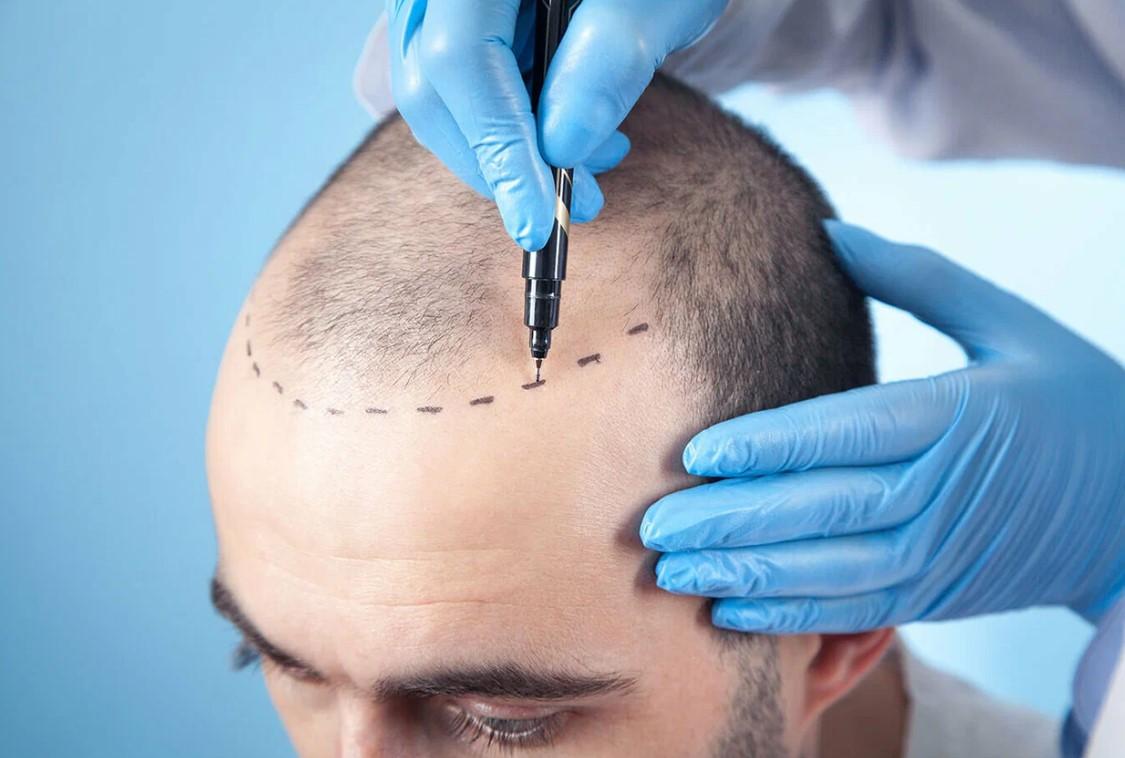
Hair transplants are among the most popular cosmetic procedures in Riyadh, with many people seeking fuller scalps or denser beards. While the basic goal of both procedures is the same—moving healthy hair follicles from one area to another—the costs for beard transplants and scalp transplants can differ significantly. Understanding why these differences exist helps you plan your budget realistically and choose the right approach for your goals. Hair transplant cost in Riyadh can vary widely depending on the number of grafts, technique used, and the clinic’s pricing structure.
Below, we explore how hair transplant costs are structured in Riyadh and how they differ for beard and scalp procedures.
1. Basic Pricing Structure in Riyadh
Most clinics in Riyadh price hair transplant procedures based on the number of grafts (a graft is a cluster of hair follicles). The more grafts you need, the higher the price. Other factors—such as clinic reputation, surgeon experience, technique (FUE vs FUT), and aftercare services—also influence total cost.
Whether it’s for the scalp or the beard, the core pricing model is similar. But because the two procedures have differences in complexity, session size, and technical requirements, the total cost can vary.
2. Typical Cost Drivers for Scalp Hair Transplants
a. Larger Area, More Grafts
Scalp hair loss tends to cover a larger surface area than beard thinning. A typical male pattern baldness case may require several thousand grafts—often anywhere from 1,500 to 5,000+ grafts—depending on how advanced the hair loss is and how much density you want.
In Riyadh, this means:
-
Higher total graft count = higher cost
-
More time in the operating room
-
A larger surgical team for extraction and implantation
-
Extended aftercare and follow-ups
Because a full scalp restoration often requires many grafts, the total price tends to be higher for scalp transplants compared with beard procedures.
b. Technical Planning
Scalp procedures require careful design of the hairline, crown, mid-scalp zones, and density transitions. Maximizing aesthetics while using grafts efficiently requires experienced surgeons. Many high-end clinics charge premium rates because of this planning and artistry.
3. Typical Cost Drivers for Beard Hair Transplants
a. Smaller Area, Fewer Grafts
Beard transplants generally involve a much smaller area than the scalp. Even if your beard is patchy across the cheeks, chin, and jawline, the total graft count is often significantly lower than for a full scalp restoration—commonly in the 500–2,000 graft range, depending on how extensive the work is.
Because clinics in Riyadh often price per graft, a lower graft count usually results in a lower total cost for beard transplants compared with scalp procedures.
b. Specialized Technique
Although the area is smaller, beard transplants require precise angling and careful placement because facial hair grows at different directions and angles compared with scalp hair. This technical nuance can make beard transplants more labor-intensive per graft in some cases—but the overall expense is still usually lower due to the smaller number of grafts.
4. Cost Comparison: Beard vs. Scalp
Here’s a simplified way to understand the cost relationship:
-
Scalp Transplant
-
Larger surgical area
-
Higher graft count (often 1,500–5,000+)
-
Longer operating time
-
Higher total cost
-
-
Beard Transplant
-
Smaller surgical area
-
Lower graft count (often 500–2,000)
-
Shorter procedure
-
Lower total cost
-
Because Riyadh clinics typically charge per graft, even if beard grafts cost slightly more per graft due to precision requirements, the total cost is often lower than a scalp transplant when comparing overall procedure price.
5. What Affects Price Differences More Than Area
a. Technique Used (FUE vs FUT)
In Riyadh, most beard and scalp transplants today are done with FUE (Follicular Unit Extraction), which extracts follicles individually and leaves minimal scarring. FUE is generally more expensive than FUT because it takes more time and effort. Some clinics may still offer FUT for scalp transplants, which can be cheaper per graft. For beard procedures, FUT is rarely used.
b. Surgeon Experience
Skilled surgeons with specialized training or strong aesthetic portfolios can charge higher fees whether they are doing scalp or beard transplants. A highly experienced surgeon may charge more per graft than a less experienced one—regardless of the treatment area.
c. Aftercare and Follow-Ups
Both procedures require aftercare—medications, follow-up visits, and specialized shampoos or serums. Clinics that include these in the package may seem more expensive upfront but could be more cost-effective overall.
d. Supply and Demand
Beard transplants have grown in popularity over recent years, especially among younger patients who want fuller facial hair. Because many clinics now offer beard procedures and competition has increased, prices can be competitive. Scalp transplants remain more common, meaning pricing tends to be driven by a wider range of service levels.
6. Practical Examples (Illustrative)
Here’s a simplified comparison to illustrate how costs might differ in practice:
-
Scalp Transplant
-
3,000 grafts at typical per-graft pricing
-
Larger zone to cover
-
Total cost tends to be significantly higher
-
-
Beard Transplant
-
1,200 grafts at a similar per-graft pricing
-
Smaller area with precise placement
-
Total cost tends to be lower, even if per graft rate is comparable or slightly higher
-
Every clinic differs in how it packages services, but this pattern—more grafts means higher total cost—is consistent.
Final Summary
In Riyadh, the cost of a hair transplant is influenced strongly by how many grafts you need, the complexity of the area being treated, and the surgeon’s expertise. Although beard transplants can be technically demanding, the smaller area and lower graft count usually mean the total cost is lower than full scalp hair transplants.

 English
 Arabic
 French
 Spanish
 Portuguese
 Deutsch
 Turkish
 Italiano
 Russian
 Romaian
 Portuguese (Brazil)
 Greek
Greek