


Risks and complications to watch for after rhinoplasty
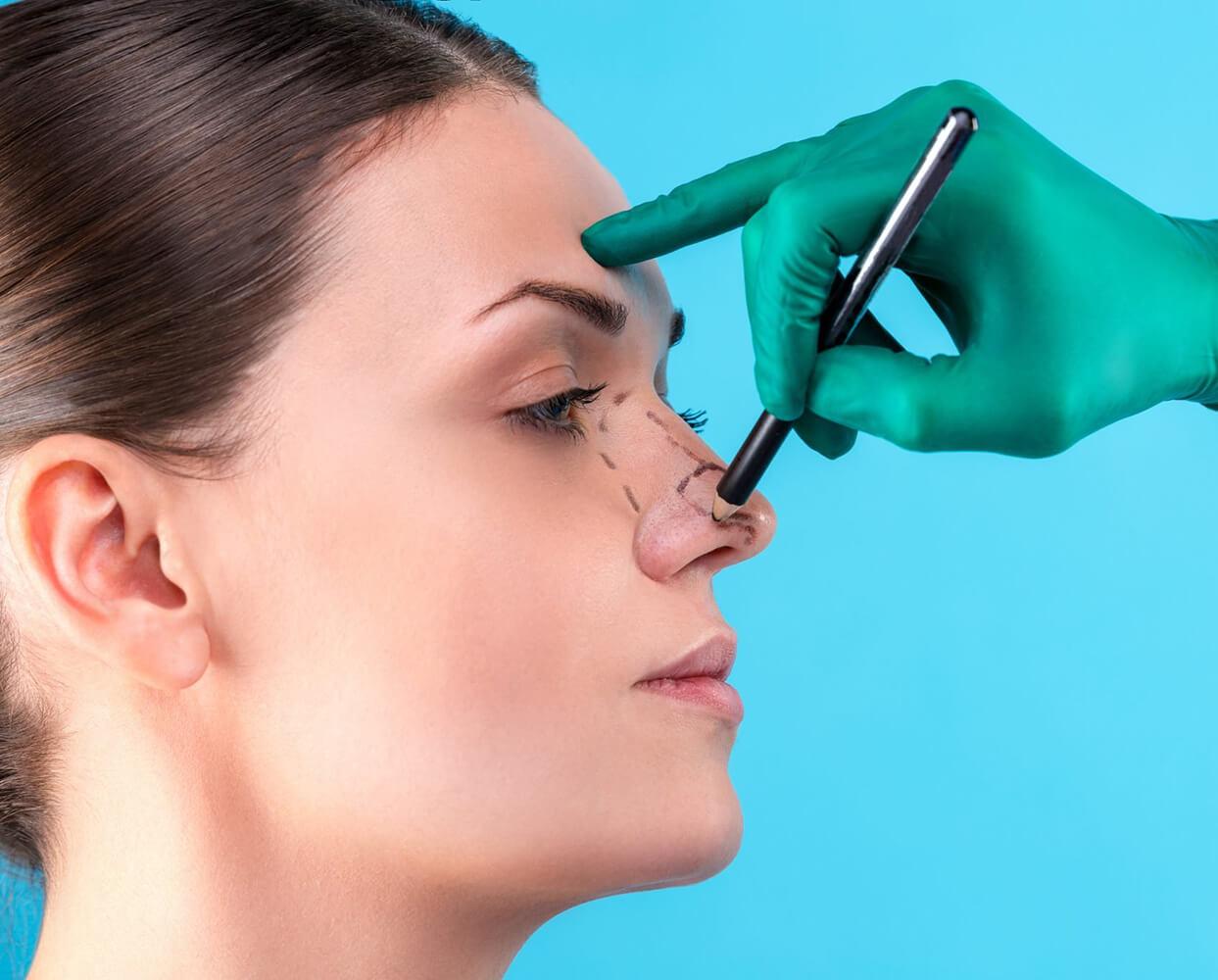
Rhinoplasty is a major surgical procedure that can dramatically improve the appearance and function of the nose. However, like all surgeries, it carries certain risks and potential complications. Understanding these risks is important for anyone considering rhinoplasty or currently recovering from the procedure. Being aware of warning signs and knowing when to contact your surgeon can help prevent serious issues and ensure a smooth recovery. Rhinoplasty in Riyadh is a popular choice for those seeking a balanced, natural-looking nose that complements their facial features.
1. Excessive Bleeding (Epistaxis)
Some bleeding is normal after rhinoplasty, especially during the first few days. However, excessive or prolonged bleeding is a serious sign that should not be ignored. If you notice frequent bleeding that soaks through dressings or continues for several hours, contact your surgeon immediately.
Why it happens:
Bleeding can occur due to high blood pressure, vigorous activity, sneezing with force, or trauma to the nose. Certain medications like aspirin or blood thinners can also increase bleeding risk.
What to do:
-
Stay calm and sit upright.
-
Apply gentle pressure to the soft part of the nose.
-
Avoid blowing the nose or bending over.
-
Contact your surgeon if bleeding does not stop quickly.
2. Infection
Infection is a potential risk after any surgery, including rhinoplasty. Signs of infection can include increased redness, swelling, warmth around the nose, fever, and unusual discharge or bad smell.
Why it happens:
Infections may develop due to bacteria entering the surgical site, poor wound care, or weakened immune response. Poor hygiene or exposure to dust and pollution can also increase risk.
What to do:
-
Follow your surgeon’s wound care instructions.
-
Keep the nose clean and avoid touching it.
-
Avoid dusty environments and smoking.
-
Contact your surgeon if you notice signs of infection.
3. Severe Swelling or Prolonged Swelling
Swelling is a normal part of rhinoplasty recovery, but severe or persistent swelling beyond the expected timeframe may indicate a problem. Some swelling is expected for several weeks, but if swelling increases instead of decreasing, it could signal an issue.
Why it happens:
Swelling may be worsened by excessive heat, high salt intake, dehydration, or physical strain. In rare cases, fluid buildup or a reaction to materials used during surgery can cause prolonged swelling.
What to do:
-
Keep your head elevated while resting.
-
Avoid salty foods and stay hydrated.
-
Use cold compresses if recommended.
-
Contact your surgeon if swelling worsens after initial improvement.
4. Breathing Difficulties
Many patients undergo rhinoplasty to improve breathing, but sometimes surgery can cause temporary or lasting breathing issues. Difficulty breathing through the nose, constant congestion, or shortness of breath should be taken seriously.
Why it happens:
Breathing issues may occur due to internal swelling, nasal packing, a deviated septum, or structural changes. In some cases, scar tissue or collapse of nasal support can cause long-term obstruction.
What to do:
-
Follow your surgeon’s instructions for nasal care.
-
Use saline sprays and avoid blowing the nose.
-
If breathing problems persist or worsen, seek medical attention.
5. Septal Perforation
Septal perforation is a rare but serious complication where a hole forms in the septum (the wall between the nostrils). This can cause symptoms such as whistling while breathing, chronic dryness, crusting, nosebleeds, and discomfort.
Why it happens:
Perforation can occur due to excessive tissue removal, poor blood supply, or infection. It may also result from trauma or improper healing.
What to do:
-
Contact your surgeon immediately if you notice whistling, constant dryness, or repeated nosebleeds.
-
Treatment may include special nasal care, medication, or, in severe cases, surgery.
6. Asymmetry or Unsatisfactory Results
A common concern after rhinoplasty is that the nose may not look exactly as expected. Minor asymmetry is normal during early healing, but persistent unevenness or an undesired shape can be distressing.
Why it happens:
Healing varies from person to person, and swelling can hide final results for months. Sometimes the nose may heal differently than planned due to scar tissue, cartilage movement, or skin thickness.
What to do:
-
Be patient and allow time for healing.
-
Discuss concerns with your surgeon during follow-up visits.
-
In some cases, revision surgery may be recommended after the nose has fully healed.
7. Skin and Tissue Problems
Some patients experience skin issues such as discoloration, numbness, or skin thinning. Numbness around the nose and upper lip is common initially, but it usually improves over time.
Why it happens:
These issues can result from nerve irritation, reduced blood supply, or pressure from splints and tape. In rare cases, skin necrosis (tissue death) can occur, especially if the skin’s blood supply is compromised.
What to do:
-
Avoid smoking and follow post-op care instructions.
-
Report any unusual color changes, persistent numbness, or severe pain to your surgeon immediately.
8. Scarring and Poor Healing
Although rhinoplasty incisions are often hidden inside the nose, some cases require external incisions. Poor healing or visible scarring can occur, especially in patients with certain skin types or those who do not follow post-op care.
What to do:
-
Keep incisions clean and avoid sun exposure.
-
Follow your surgeon’s advice for scar management.
-
Consult your surgeon if scars appear raised or inflamed.
When to Seek Emergency Help
If you experience any of the following, seek immediate medical attention:
-
Heavy bleeding that doesn’t stop
-
High fever or severe infection signs
-
Severe pain not controlled by medication
-
Difficulty breathing or chest pain
-
Sudden swelling or facial asymmetry
-
Signs of blood clots (shortness of breath, leg swelling)
Conclusion
Rhinoplasty can deliver beautiful and life-changing results, but understanding the risks and complications is essential for a safe recovery. Most complications are rare, and following your surgeon’s instructions greatly reduces the risk. Always communicate openly with your surgeon and seek help immediately if you notice any warning signs.

 English
 Arabic
 French
 Spanish
 Portuguese
 Deutsch
 Turkish
 Dutch
Dutch
 Russian
 Romaian
 Portuguese (Brazil)
 Greek
Greek