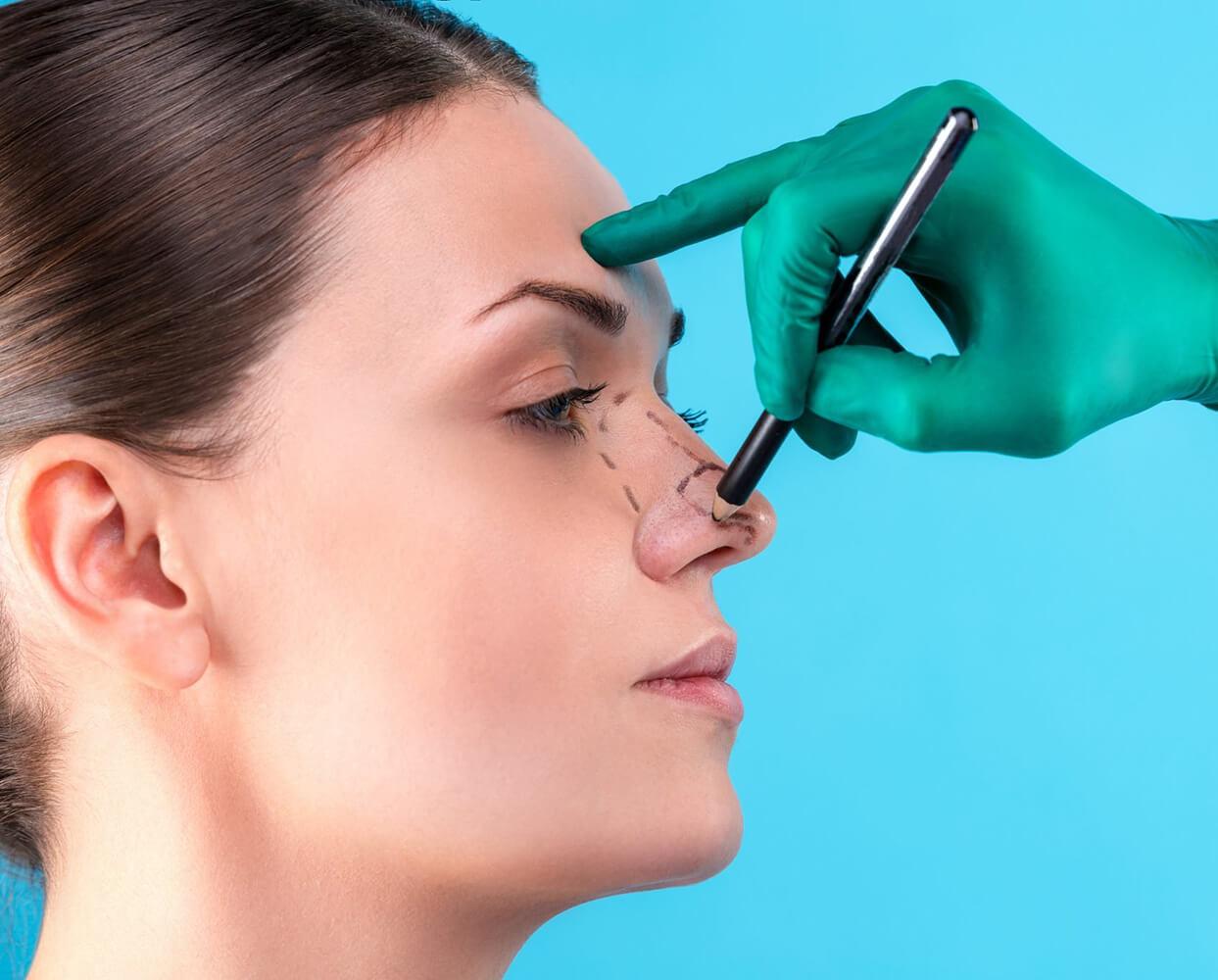
Setting realistic expectations for rhinoplasty outcomes is one of the most important steps in achieving satisfaction with the surgery. Rhinoplasty is a transformative procedure that can improve the shape, balance, and function of the nose. However, it is not a magic solution, and the results depend on many factors, including facial anatomy, skin thickness, cartilage strength, and the skill of the surgeon. If you approach rhinoplasty with realistic expectations, you are more likely to feel happy with the outcome and avoid disappointment. Rhinoplasty in Riyadh is a popular choice for those seeking a balanced, natural-looking nose that complements their facial features.
1. Understand What Rhinoplasty Can and Cannot Do
Rhinoplasty can correct many issues such as a dorsal hump, wide nostrils, drooping tip, asymmetry, or breathing problems. It can also enhance facial harmony by creating a more balanced nose that fits the rest of your features. However, rhinoplasty cannot completely change your face or make you look like someone else. Your nose should look like a natural part of your face, not like a copied version of another person’s nose. Understanding this helps prevent unrealistic expectations.
2. Know That Ethnic Identity Should Be Preserved
For many people, especially in Riyadh and the wider Middle East, maintaining ethnic identity is important. A skilled surgeon will tailor the nose to match your facial features and cultural aesthetics, rather than creating a “Westernized” look. This means the final result should be a refined version of your nose that still looks natural and culturally appropriate. Being clear about this goal helps you set realistic expectations from the beginning.
3. Accept That Results Take Time
One of the biggest surprises for patients is how long it takes for the final results to appear. After rhinoplasty, swelling is normal and can last for several weeks or even months. The nose may look larger or uneven initially, but this gradually improves as the tissues settle. In some cases, the tip can take up to a year to fully refine. Understanding the timeline helps you stay patient and avoid unnecessary worry during recovery.
4. Recognize the Limits of Your Skin and Cartilage
Skin thickness plays a major role in rhinoplasty results. Thicker skin can hide subtle changes, making the nose appear less refined than expected. In such cases, the surgeon may focus on improving shape and balance rather than dramatic refinement. Similarly, cartilage strength affects how much the nose can be reshaped. If the cartilage is weak, the surgeon may need to use grafts to support the structure. Knowing these limitations helps you set realistic goals.
5. Have a Clear but Flexible Goal
It is helpful to have a clear idea of what you want, such as reducing a hump, lifting the tip, or improving breathing. However, being flexible is equally important. Your surgeon may recommend a slightly different approach based on your anatomy. For example, reducing a hump too much can cause a scooped appearance, so the surgeon may keep a natural slope for balance. Trusting the surgeon’s professional judgment helps you achieve a natural result.
6. Use Before-and-After Photos Wisely
Before-and-after photos can be helpful, but they can also create unrealistic expectations if not interpreted correctly. Photos may show results from different angles, lighting, and editing. Also, each person’s facial structure is unique, so what works for one person may not work for another. Instead of focusing on exact replication, use photos to understand the style of results a surgeon can achieve and the general level of refinement you can expect.
7. Discuss Functional Goals Too
Many patients focus only on appearance and forget about breathing. If you have breathing problems, discuss them openly with your surgeon. A good rhinoplasty plan should address both aesthetics and function. Sometimes, improving breathing may require certain structural changes that influence the appearance. Setting realistic expectations means understanding that the best outcome combines beauty and function.
8. Expect Some Discomfort During Recovery
Recovery from rhinoplasty involves swelling, bruising, congestion, and mild discomfort. This is normal and part of the healing process. You may need to take time off work and avoid strenuous activities for several weeks. Understanding the recovery process helps you prepare mentally and physically, and prevents disappointment when the initial healing phase is not perfect.
9. Understand the Role of the Surgeon’s Experience
The surgeon’s experience plays a major role in the quality of results. Rhinoplasty is a complex surgery that requires precision and artistry. Choosing a surgeon who specializes in rhinoplasty and has a strong track record increases the chances of a successful outcome. During consultation, ask about their experience, training, and previous cases to ensure they understand your goals.
Final Thoughts
Setting realistic expectations for rhinoplasty outcomes is essential for satisfaction and confidence in your decision. Rhinoplasty can significantly improve your nose and facial harmony, but it cannot create perfection. By understanding the limitations of your anatomy, the healing timeline, and the importance of preserving ethnic identity, you can set goals that are achievable and natural. With clear communication, a skilled surgeon, and patience, rhinoplasty can deliver beautiful results that enhance your appearance and boost your self-esteem.




 English
 Arabic
 French
 Spanish
 Portuguese
 Deutsch
 Turkish
 Dutch
Dutch
 Italiano
 Russian
 Portuguese (Brazil)
 Greek
Greek