


The Manufacturing Process Behind PVC Decorative Film
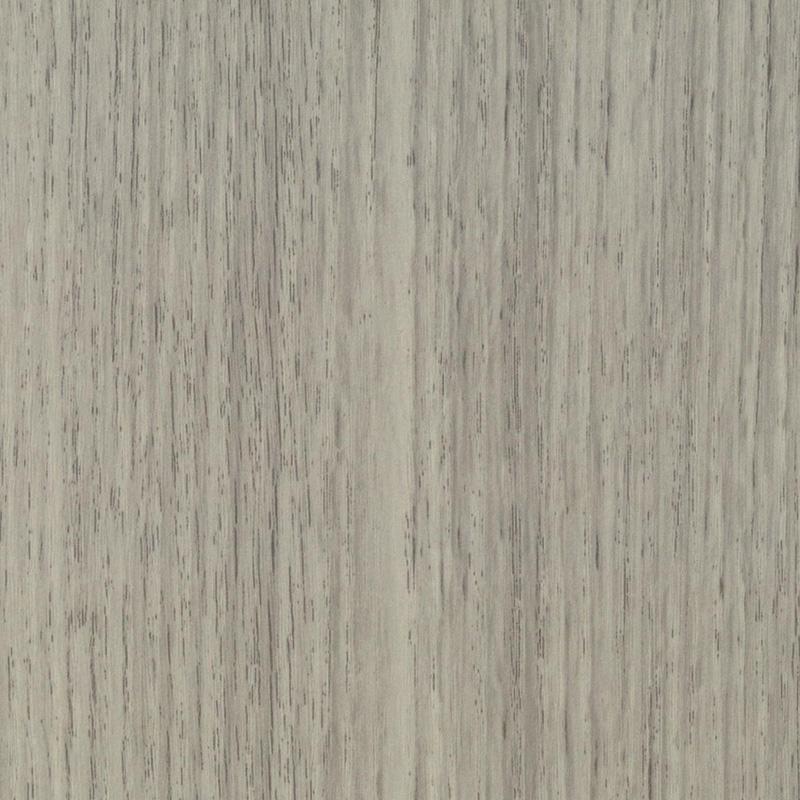
PVC decorative film is a flexible laminate material primarily composed of polyvinyl chloride, engineered to provide an attractive and protective surface layer for various substrates. This type of film is extensively used to enhance the visual appeal and durability of products in industries such as furniture manufacturing, interior decoration, automotive interiors, and appliance finishing. The fundamental appeal of PVC decorative film lies in its versatility; it can be manufactured in an immense array of colors, patterns, and textures, including highly realistic imitations of wood grain, stone, metallic finishes, and abstract designs. The production of a standard PVC decorative film begins with the formulation of a PVC compound. This involves blending PVC resin with plasticizers to achieve the desired flexibility, stabilizers to prevent degradation from heat and light, pigments for color, and other additives to impart specific properties like flame retardancy or UV resistance.
The compounded material is then processed through calendering or extrusion. In calendering, the warm PVC compound is passed through a series of heated rollers to form a continuous sheet of precise thickness. During this stage, the surface texture of the PVC decorative film can be imparted by using an embossing roller that presses a pattern—such as a wood grain or leather texture—into the soft surface. Alternatively, extrusion forces the molten compound through a die to create a film, which is then cooled and wound. Following base film production, the decorative layer is added. For solid colors, pigments are integrated into the compound. For intricate patterns like wood grain or stone, the film undergoes a printing process, often using rotogravure printing, which applies high-fidelity images onto the film surface. A clear protective wear layer is frequently laminated or co-extruded on top to shield the print from scratches, stains, and fading.
The final product, a roll of PVC decorative film, is characterized by several key properties. Its flexibility allows it to conform to curved surfaces when applied with heat and pressure. The surface finish can range from high-gloss and mirror-like to matte or heavily textured. The film's thickness is carefully controlled to balance durability with ease of application. A crucial aspect of many PVC decorative film products is the adhesive backing. Some films are produced with a pressure-sensitive adhesive protected by a release liner, ready for immediate application. Others are non-adhesive and are designed to be laminated to a substrate like medium-density fibreboard using industrial adhesives and heated presses. This multi-stage manufacturing process transforms raw PVC and additives into a consistent, durable, and visually sophisticated material, making PVC decorative film a cost-effective and popular choice for adding value and aesthetic quality to manufactured goods and architectural elements.

 English
 French
 Spanish
 Portuguese
 Deutsch
 Turkish
 Dutch
Dutch
 Italiano
 Russian
 Romaian
 Portuguese (Brazil)
 Greek
Greek