


From Waste to Fiber: The Lifecycle of Recycled Nylon
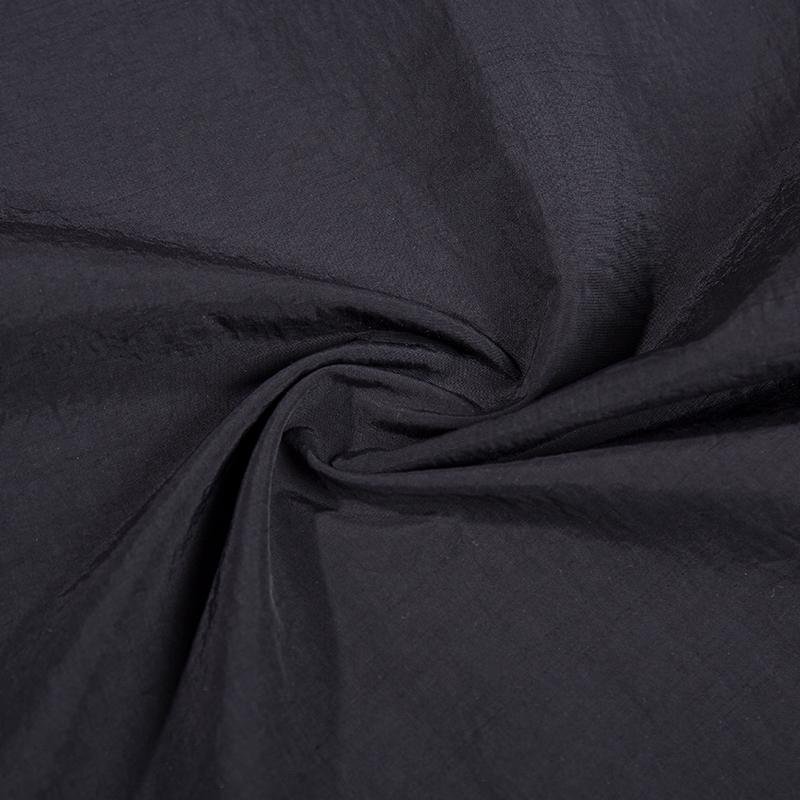
Recycled nylon is a synthetic fiber derived from waste materials that contain nylon, reprocessed into a new polymer suitable for manufacturing textiles and other products. This material represents a significant stride in sustainable manufacturing, aiming to reduce dependence on virgin petroleum-based resources and divert waste from landfills and oceans. The primary sources for recycled nylon are twofold. One major stream is post-industrial waste, which includes discarded yarns, fabric scraps, and polymer leftovers from nylon production facilities. Another increasingly important source is post-consumer waste, notably discarded fishing nets recovered from oceans, old carpets, and end-of-life textiles. Collecting and sorting these materials is the foundational step in creating recycled nylon, requiring organized systems to separate nylon from other contaminants.
The chemical recycling process for recycled nylon is technologically sophisticated. Nylon is a polymer, a long chain of molecules. Mechanical recycling, which involves simply melting and re-extruding plastic, often degrades the polymer chain, limiting the quality of the output. For high-performance applications, a process called depolymerization is often used to create recycled nylon. This method chemically breaks down the waste nylon back into its core building blocks, or monomers. These monomers are then purified and repolymerized into new nylon chips. This regenerated polymer is virtually identical to virgin nylon in terms of its molecular structure and performance properties. The resulting chips of recycled nylon can then be melted and spun into new filaments or fibers, ready to be woven or knitted into fabric. This closed-loop approach is central to the value proposition of high-quality recycled nylon.
The environmental rationale for adopting recycled nylon is compelling. Producing virgin nylon is an energy-intensive process that relies on crude oil and releases greenhouse gases. By contrast, manufacturing recycled nylon from existing materials consumes less energy and reduces the carbon footprint associated with the fiber. Furthermore, it addresses the problem of nylon waste, particularly ghost fishing nets that threaten marine life. Using this waste as a feedstock for recycled nylon transforms an environmental hazard into a valuable resource. While the recycling process itself requires energy and resources, the net environmental impact is generally favorable compared to producing new nylon from scratch. This makes recycled nylon a material of choice for brands and manufacturers seeking to improve the sustainability profile of their products, from apparel and accessories to automotive interiors and carpeting, without compromising on the durability and performance characteristics inherent to nylon.

 Arabic
 French
 Spanish
 Portuguese
 Deutsch
 Turkish
 Dutch
Dutch
 Italiano
 Russian
 Romaian
 Portuguese (Brazil)
 Greek
Greek