


The Technology and Purpose Behind Modern Fresh-keeping Containers
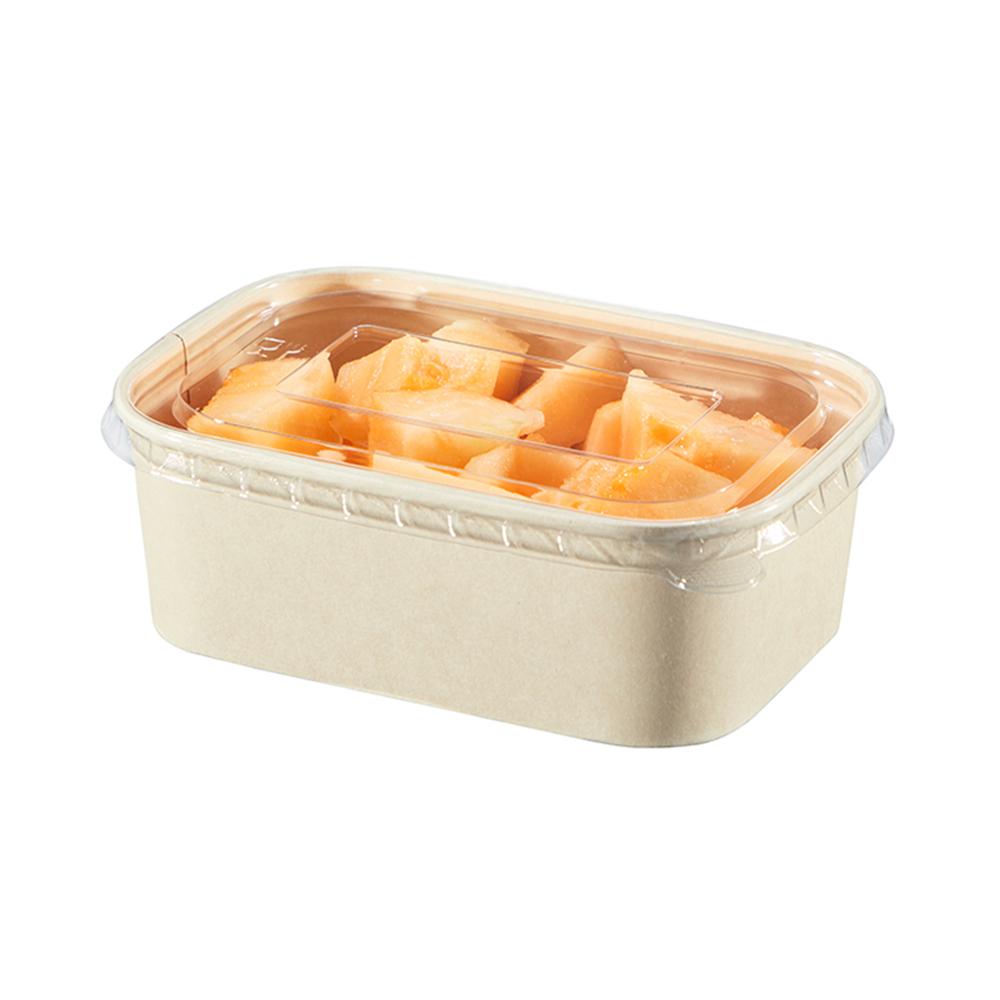
A fresh-keeping container is a specialized storage vessel designed to extend the shelf life of perishable foods by controlling the environment around them. Its primary function is to slow down the natural processes that lead to spoilage, such as moisture loss, oxidation, and microbial growth. Unlike a standard food container, a fresh-keeping container incorporates specific design features aimed at creating a modified atmosphere or a highly effective physical barrier. This makes it an essential tool in both household kitchens and commercial food service operations for reducing waste and maintaining food safety. The fundamental goal of any fresh-keeping container is to preserve the original texture, flavor, and nutritional value of the food for as long as possible after preparation or purchase.
The effectiveness of a fresh-keeping container is largely determined by its material and sealing mechanism. Common materials include polypropylene, glass, and specially formulated plastics that are both durable and free from harmful chemicals like BPA. An airtight seal is the most critical feature. This is typically achieved through a lid design that incorporates a silicone or rubber gasket. When the lid is locked onto the base, this gasket compresses to form a hermetic barrier, preventing air from entering or escaping the fresh-keeping container. Some advanced models include a one-way valve that allows excess gases produced by fermenting fruits and vegetables to escape without letting outside air in, a feature particularly useful for produce storage.
Beyond the seal, thoughtful design elements enhance the utility of a fresh-keeping container. Many are designed to be stackable to save space in refrigerators or pantries. Transparent bodies allow for easy identification of contents without opening the lid, which helps maintain the internal environment. For certain applications, such as storing chopped vegetables or salads, a fresh-keeping container may include a removable drain tray at the bottom to collect excess moisture, preventing sogginess. The shape and size of the container also matter; a properly sized fresh-keeping container that leaves minimal empty space above the food reduces the volume of air inside, further slowing oxidation. From storing leftover cooked meals to organizing pre-cut ingredients for meal preparation, a well-designed fresh-keeping container serves as a proactive tool in managing food quality, promoting efficient kitchen organization, and supporting a more sustainable approach to food consumption by minimizing unnecessary disposal.

 English
 Arabic
 French
 Spanish
 Portuguese
 Deutsch
 Turkish
 Dutch
Dutch
 Italiano
 Russian
 Portuguese (Brazil)
 Greek
Greek