


Best Cat Food Choices for Indoor Cats, Kittens, and Seniors
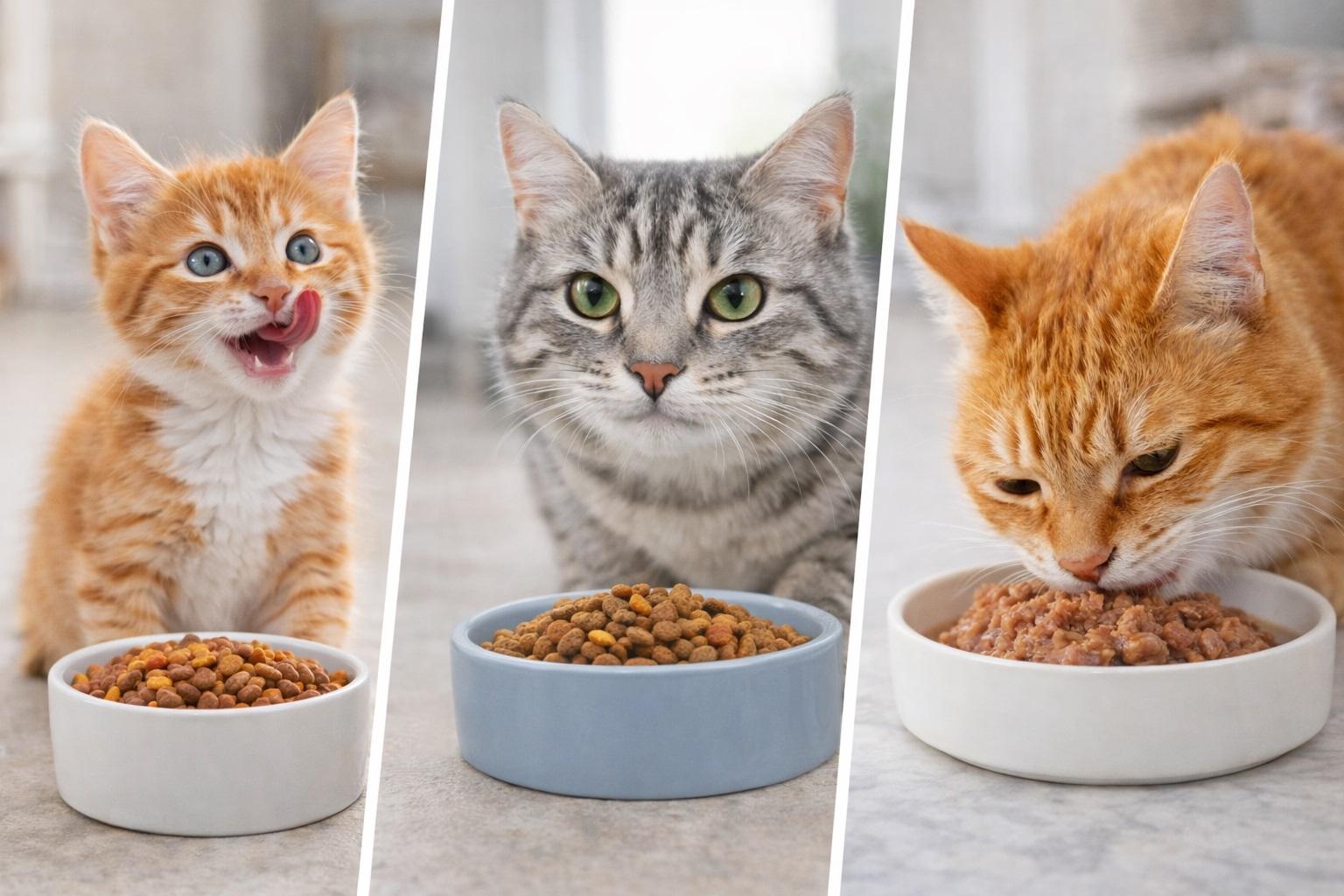
Choosing the right cat food isn’t just about filling a bowl—it’s about supporting your cat’s health, energy, and longevity at every stage of life. Indoor cats, playful kittens, and senior cats all have very different nutritional needs, yet many pet parents unknowingly feed them the same food.
This in-depth cat food review breaks down what to look for in quality cat food, how life stage affects nutrition, and how to find affordable cat food that doesn’t compromise on health. Whether you’re raising a kitten or caring for an aging companion, this guide will help you make confident, informed feeding decisions.
Understanding Cat Nutrition Basics
Before diving into life-stage recommendations, it’s important to understand what makes cat food truly nutritious.
Essential Nutrients Every Cat Needs
Cats are obligate carnivores, meaning their bodies are designed to thrive on animal-based protein. A balanced cat food should include:
-
High-quality protein to support muscle strength and overall health
-
Healthy fats for energy, skin, and coat condition
-
Vitamins and minerals to support immunity, vision, and organ function
-
Taurine, an essential amino acid cats cannot produce on their own
Regardless of age, every cat needs these core nutrients to stay healthy.
Wet vs Dry Cat Food: Which Is Better?
There’s no one-size-fits-all answer, but understanding the differences helps.
Dry cat food
-
Convenient and budget-friendly
-
Helps reduce plaque buildup
-
Easy to store and measure
Wet cat food
-
Higher moisture content for hydration
-
Often more palatable for picky eaters
-
Easier to chew for kittens and seniors
Many veterinarians recommend a mix of both, especially for indoor and senior cats. A balanced approach allows you to combine nutrition, hydration, and affordability.
Best Cat Food for Indoor Cats
Indoor cats live safer lives, but they also face unique health challenges.
Nutritional Needs of Indoor Cats
Because indoor cats are typically less active, they are more prone to:
-
Weight gain
-
Hairballs
-
Digestive issues
Their cat food should be calorie-controlled while still rich in protein and fiber.
What to Look for in Indoor Cat Food
When choosing cat food for indoor cats, prioritize:
-
Lean animal protein as the first ingredient
-
Added fiber for digestion and hairball control
-
Moderate fat levels to support weight management
Fortunately, many affordable cat food options now include indoor-specific formulas that meet these needs without high price tags.
Best Cat Food for Kittens
Kittens grow rapidly, and their nutritional needs are completely different from adult cats.
Why Kittens Need Specialized Cat Food
During the first year of life, kittens need:
-
Higher protein and fat for growth
-
DHA for brain and eye development
-
Increased calories for energy and play
Feeding adult cat food too early can slow growth and weaken immunity.
Choosing the Right Kitten Food
Look for kitten cat food that:
-
Is labeled “complete and balanced for growth”
-
Includes real meat as the primary ingredient
-
Offers both wet and dry options
Wet food helps with hydration and chewing, while dry food supports dental development. Even when shopping on a budget, there are affordable cat food choices specifically designed for kittens that deliver proper nutrition.
Best Cat Food for Senior Cats
As cats age, their metabolism and digestion change significantly.
Changing Nutritional Needs of Aging Cats
Senior cats often experience:
-
Reduced muscle mass
-
Joint stiffness
-
Slower digestion
-
Kidney sensitivity
Their cat food should support mobility and organ health while remaining easy to digest.
Features to Look for in Senior Cat Food
High-quality senior cat food includes:
-
Easily digestible proteins
-
Lower phosphorus and sodium levels
-
Added supplements like glucosamine for joints
Many pet parents assume senior formulas are expensive, but there are plenty of affordable cat food options that meet senior nutritional standards.
How to Read a Cat Food Label Like a Pro
Understanding labels helps you avoid marketing traps and choose better cat food.
Key Things to Check
-
First ingredient: Should be a named animal protein
-
AAFCO statement: Confirms nutritional completeness
-
No unnecessary fillers: Avoid excessive corn, soy, or artificial colors
Price alone doesn’t determine quality. Some affordable cat food brands offer cleaner ingredient lists than premium-priced options.
Cat Food Review: How We Compare and Evaluate Cat Foods
Not all cat food is created equal. In this cat food review, products are evaluated based on:
-
Ingredient quality and protein source
-
Suitability for life stage (kitten, adult, senior)
-
Digestibility and moisture balance
-
Price vs nutritional value
This approach helps pet parents find food that balances health, taste, and affordability.
Tips for Transitioning Your Cat to New Food
Sudden food changes can upset your cat’s stomach.
Safe Transition Schedule
-
Days 1–2: 75% old food, 25% new food
-
Days 3–4: 50% old food, 50% new food
-
Days 5–6: 25% old food, 75% new food
-
Day 7: 100% new food
Monitor appetite, stool quality, and energy during the transition.
Common Feeding Mistakes Cat Owners Make
Even well-meaning owners can make mistakes.
Frequent Issues Include
-
Overfeeding indoor cats
-
Feeding kittens adult cat food too early
-
Ignoring senior cats’ changing needs
-
Choosing cat food based only on price
The goal is to find affordable cat food that still meets nutritional requirements—not just the cheapest option.
Conclusion
The best cat food is not universal—it depends on your cat’s age, lifestyle, and health needs. Indoor cats thrive on weight-conscious formulas, kittens need nutrient-dense growth food, and senior cats benefit from gentle, supportive nutrition.
This cat food review shows that you don’t have to overspend to feed your cat well. With careful label reading and life-stage awareness, you can find affordable cat food that supports long-term health and happiness.
Your cat depends on you for every meal—make those choices count.
FAQs
1. What is the best cat food for indoor cats?
Indoor cats benefit from cat food that supports weight management, digestion, and hairball control while maintaining high protein levels.
2. Is affordable cat food safe for daily feeding?
Yes. Affordable cat food can be safe and nutritious if it meets AAFCO standards and uses quality ingredients.
3. Can kittens eat adult cat food?
No. Kittens need specialized cat food formulated for growth, energy, and brain development.
4. Should senior cats eat different cat food?
Yes. Senior cats require cat food that supports joint health, digestion, and aging organs.
5. How often should I change my cat’s food?
Only change cat food when your cat’s life stage or health needs change, and always transition gradually.

 English
 Arabic
 French
 Spanish
 Portuguese
 Turkish
 Dutch
Dutch
 Italiano
 Russian
 Romaian
 Portuguese (Brazil)
 Greek
Greek