


Beard transplant in Riyadh: what to do if you have scar tissue
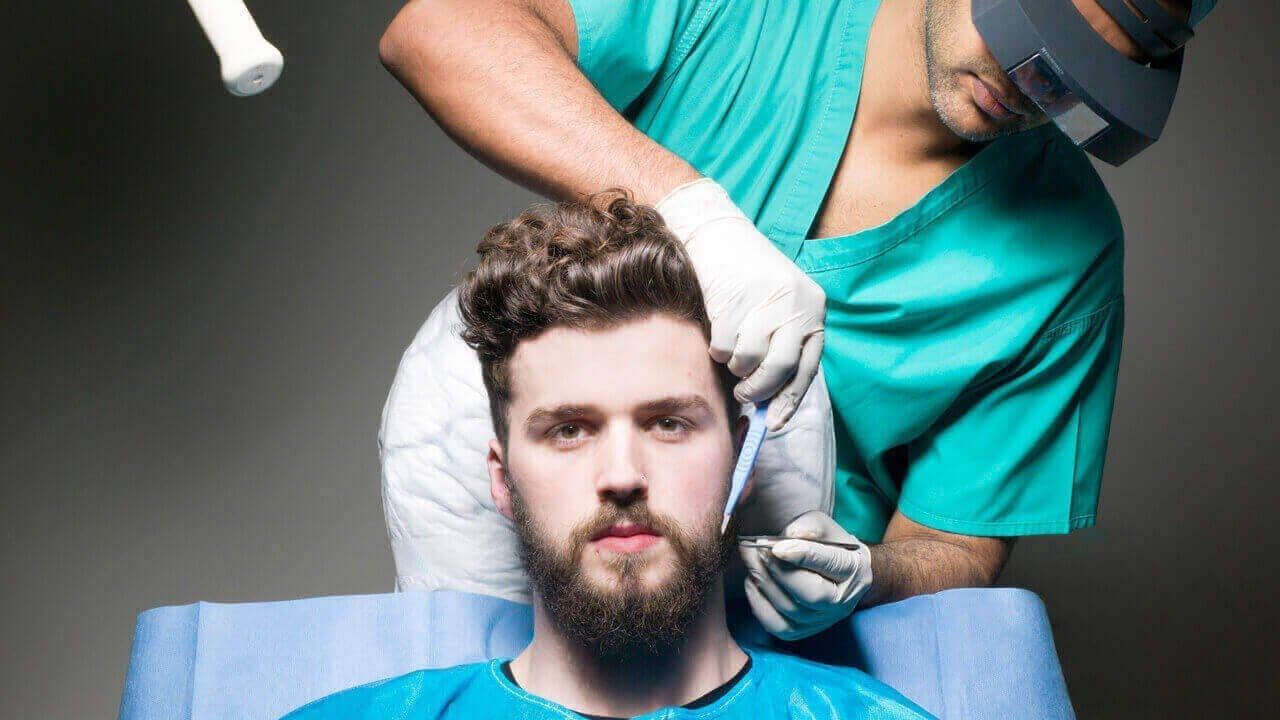
Scar tissue in the beard area is a common reason men seek beard transplants. Scars can result from acne, burns, injuries, surgery, or other skin trauma. Because scar tissue has fewer blood vessels and different skin structure than normal skin, it can be challenging for hair to grow naturally in those areas. However, with proper planning and the right technique, a beard transplant can still be successful and provide excellent results. Beard hair transplant in Riyadh is a popular choice for men looking to fill in patchy areas and achieve a fuller, natural-looking beard.
If you have scar tissue and are considering a beard transplant in Riyadh, here is what you should know and what steps to take to increase your chances of a successful outcome.
1. Understand Why Scar Tissue Is Different
Scar tissue is made up of dense collagen fibers that form as part of the body’s healing process. Unlike normal skin, scar tissue may have:
-
Reduced blood supply
-
Less flexibility and elasticity
-
Altered skin texture
-
Damaged or absent hair follicles
These factors can make it harder for transplanted hair to survive and grow. That is why not every scar is suitable for transplantation, and not every clinic will accept cases involving scar tissue.
2. Get a Detailed Assessment
Before anything else, schedule a consultation with a qualified hair transplant surgeon. A proper assessment is crucial because the success of a beard transplant over scar tissue depends on several factors, including:
-
Size and depth of the scar
-
Age of the scar (older scars may be more stable)
-
Skin type and elasticity
-
Blood supply to the scar area
-
Location of the scar on the face
During the consultation, the surgeon will examine the scar closely, often under magnification, and discuss your expectations. This helps determine whether the scar is suitable for transplantation and how many grafts will be needed.
3. Consider Scar Treatment Before Transplant
In some cases, treating the scar first can improve the success of the transplant. Common scar improvement options include:
-
Laser treatment to reduce thickness and improve texture
-
Microneedling or PRP to stimulate collagen remodeling
-
Steroid injections for raised scars
-
Scar revision surgery for severe or irregular scars
These treatments can help improve blood supply and skin quality, which increases the chances that transplanted follicles will survive. Your surgeon may recommend waiting for a few months after scar treatment before undergoing a transplant.
4. Choose the Right Technique and Surgeon
Beard transplants over scar tissue require more precision than regular beard transplants. The technique and the surgeon’s skill are very important. Most surgeons prefer the FUE technique for scarred areas because it allows more control and less trauma to the scar tissue.
A skilled surgeon will carefully plan the placement of grafts, considering:
-
The direction and angle of hair growth
-
The density needed to cover the scar
-
The thickness and quality of donor hair
-
The best placement to blend with existing beard hair
Because scar tissue is less forgiving, choosing a surgeon with experience in scar transplant cases is essential.
5. Understand That Success Rates Can Vary
Transplanting hair into scar tissue is not as predictable as transplanting into normal skin. While many patients achieve good results, some may experience:
-
Lower graft survival rate
-
Thinner growth
-
Need for multiple sessions
-
Longer healing time
Your surgeon should be honest about the expected outcome and may suggest a conservative approach initially, such as starting with fewer grafts and assessing growth before adding more.
6. Follow Aftercare Instructions Strictly
Aftercare is especially important when dealing with scar tissue. The transplanted follicles need a stable environment to survive and grow. Your surgeon will provide specific instructions, which may include:
-
Keeping the area clean and avoiding touching the grafts
-
Avoiding heavy exercise for a few weeks
-
Protecting the area from direct sun exposure
-
Avoiding smoking and alcohol during recovery
-
Using prescribed ointments or medications
Following these instructions reduces the risk of infection and increases the chances of graft survival.
7. Be Patient With the Timeline
Even under ideal conditions, transplanted hair takes time to grow. With scar tissue, the timeline may be slower. Typically:
-
The first few weeks may involve scabbing and mild swelling
-
Transplanted hair may shed within 2 to 3 weeks (normal)
-
New hair usually starts growing around 2 to 3 months
-
Full results are often visible between 9 to 12 months
Patience is key, and it is important not to judge the success too early.
8. Prepare for Possible Additional Sessions
Because scar tissue can be unpredictable, many patients need a second session to achieve full coverage. This is not a failure but rather a common part of the process for scarred areas. A second session allows the surgeon to add more density after seeing how the first grafts responded.

 English
 Arabic
 French
 Spanish
 Portuguese
 Deutsch
 Turkish
 Dutch
Dutch
 Italiano
 Romaian
 Portuguese (Brazil)
 Greek
Greek