


What to expect during a chemical peel session in Riyadh
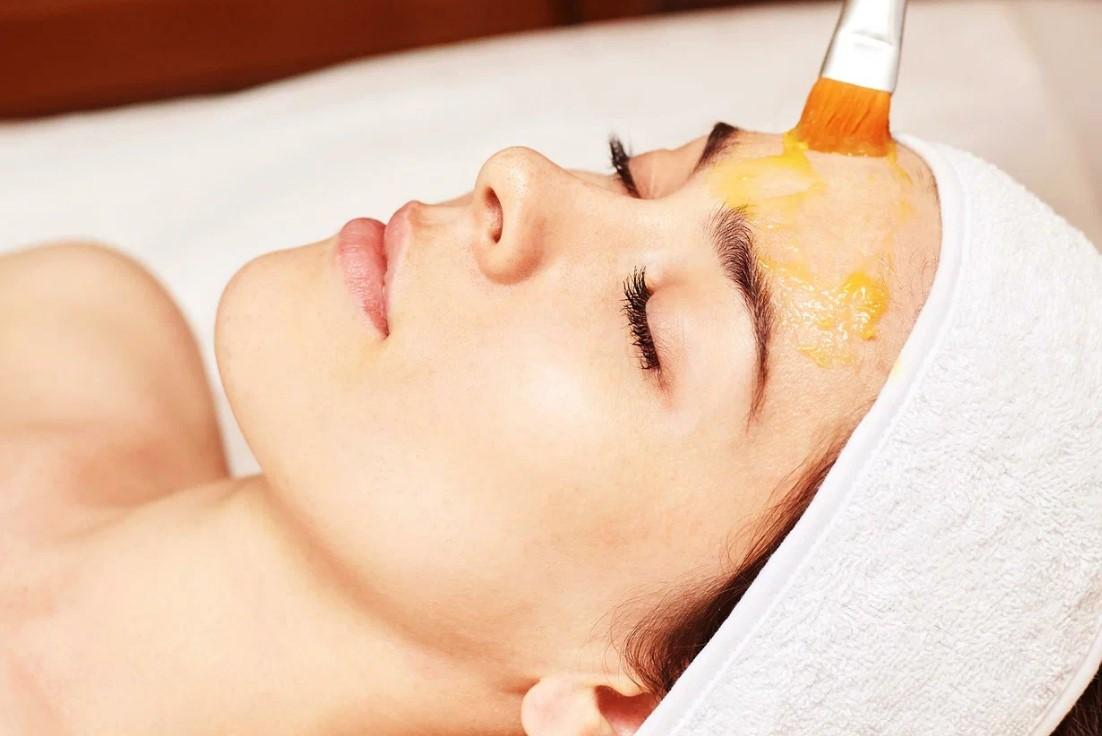
Chemical peels are one of the most popular skin rejuvenation treatments in Riyadh, and they are commonly used to improve texture, reduce pigmentation, minimize fine lines, and treat acne. If you are considering a chemical peel, knowing what to expect during the session can help you feel more confident and prepared. This guide will walk you through the process step by step, from arrival to aftercare, with a focus on how clinics in Riyadh typically handle the treatment.
Chemical Peels in Riyadh offer an effective way to improve skin texture, reduce pigmentation, and achieve a brighter, smoother complexion.
1. Pre-Appointment Consultation
Before your peel session, most reputable clinics in Riyadh will require a consultation with a dermatologist or licensed skin specialist. During this consultation, the doctor will:
-
Assess your skin type and condition
-
Discuss your skin concerns and goals
-
Ask about your medical history and any medications you use
-
Determine which peel is most suitable for you
-
Explain potential side effects and downtime
This step is essential because chemical peels need to be tailored to your skin tone and sensitivity to avoid complications such as excessive peeling or pigmentation.
2. Pre-Treatment Preparation
On the day of the session, you may be advised to follow a simple skincare routine before arriving at the clinic. This often includes:
-
Cleaning your face and removing any makeup
-
Avoiding sun exposure
-
Not using harsh exfoliants or strong active ingredients for a few days prior
In some cases, dermatologists may ask patients to use specific creams or serums before the peel to prepare the skin and reduce the risk of irritation.
3. Arrival and Skin Assessment
When you arrive at the clinic, the staff will guide you to a treatment room. The specialist will:
-
Clean your face thoroughly
-
Remove any remaining oil or makeup
-
Evaluate your skin again under proper lighting
-
Mark areas that may need special attention
This step ensures the peel is applied evenly and safely.
4. Application of the Chemical Peel
Once the skin is prepared, the specialist will begin the peel application. The procedure varies slightly depending on the peel type, but the general steps are:
-
Protecting sensitive areas
The specialist may apply protective barriers around the eyes, lips, and nostrils. -
Applying the peel solution
The chemical solution is applied using a brush, sponge, or cotton pad. -
Monitoring the skin reaction
You may feel a tingling, burning, or warming sensation as the peel penetrates the skin. -
Timing the peel
The specialist will keep the solution on the skin for a controlled time depending on the peel strength and your skin response.
Superficial peels usually remain on the skin for a short time, while medium peels may stay longer. Deep peels are more intense and are typically performed only in specialized medical settings.
5. Neutralizing and Removal
After the required time, the peel solution is neutralized or removed. Some peels naturally self-neutralize, while others need a neutralizing agent to stop the chemical action. The specialist will:
-
Rinse your face gently
-
Apply soothing products to calm the skin
-
Provide aftercare instructions
The skin may appear red or slightly swollen immediately after the peel. This is normal and typically fades within a few hours for superficial peels.
6. Immediate Post-Treatment Sensations
After the peel, you may experience:
-
Warmth or mild stinging
-
Tightness or dryness
-
Mild redness
-
Slight swelling in sensitive areas
These sensations vary based on the peel depth. Superficial peels usually cause minimal discomfort, while medium peels can be more intense and may feel similar to a sunburn.
7. Peeling and Recovery Phase
Within 2–3 days after the session, your skin may begin to peel or flake. This is a normal part of the process, as the damaged outer layer sheds away. The peeling may last:
-
Superficial peels: 2–4 days
-
Medium peels: 5–7 days
During this phase, it is important to avoid picking or scratching the skin to prevent scarring or uneven pigmentation.
8. Aftercare Instructions
Proper aftercare is essential for achieving the best results and avoiding complications. Clinics in Riyadh usually recommend:
-
Using gentle moisturizers
-
Avoiding direct sun exposure
-
Applying broad-spectrum sunscreen regularly
-
Avoiding harsh skincare products until the skin fully heals
-
Not using makeup for the first 24 hours (or longer depending on the peel)
Following these instructions helps the skin heal properly and reduces the risk of irritation or dark spots.
9. Expected Results
Results from a chemical peel depend on the type and depth of the peel:
-
Superficial peels: Provide a refreshed, brighter complexion and smoother texture. Results build over multiple sessions.
-
Medium peels: Offer more noticeable improvement in fine lines, pigmentation, and texture. Results can last longer with proper skincare.
-
Deep peels: Provide dramatic results for severe skin issues but require more recovery time.
Most people notice a visible improvement in skin tone and texture within a week or two, with full results developing over several weeks as new collagen forms.
Final Thoughts
A chemical peel session in Riyadh is generally a safe and effective way to improve skin texture, pigmentation, and signs of aging when performed by a qualified dermatologist. The process involves consultation, skin preparation, peel application, and careful aftercare. By understanding what to expect, you can approach the treatment with confidence and achieve better, long-lasting results.

 English
 French
 Spanish
 Portuguese
 Deutsch
 Turkish
 Dutch
Dutch
 Italiano
 Russian
 Romaian
 Portuguese (Brazil)
 Greek
Greek