


Wild Bird Food Secrets: What Bird Lovers Should Know
AI Overview
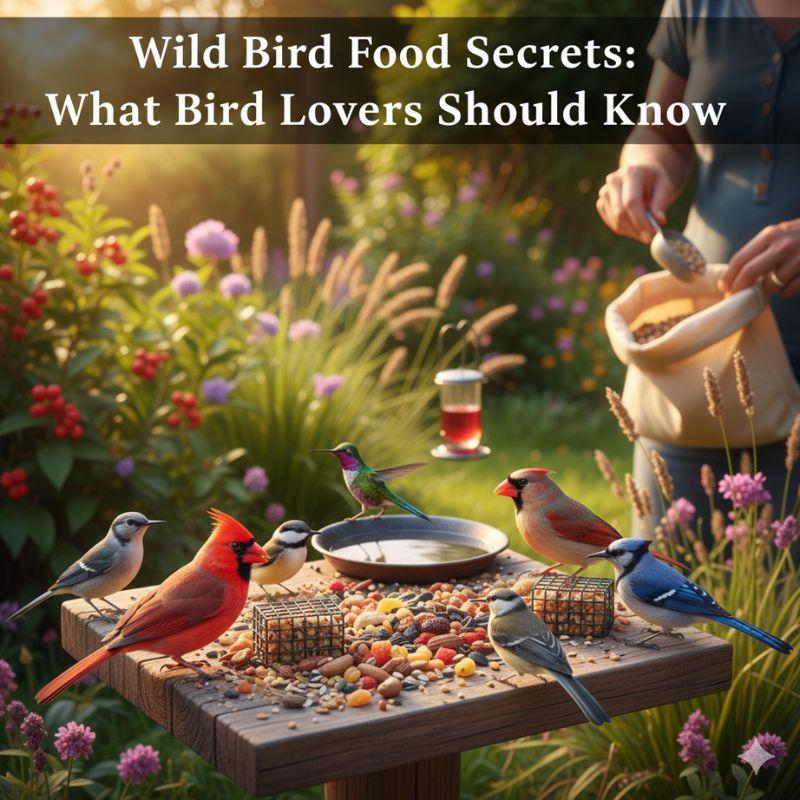
Feeding wild birds is more than a hobby—it’s a responsibility. The right wild bird food helps birds survive harsh weather, supports natural behaviors, and attracts a wider variety of species. Many bird lovers unknowingly make feeding mistakes such as using low-quality mixes, ignoring seasonal needs, or neglecting feeder hygiene. Understanding how to choose and offer proper wild birds food can significantly improve bird health, safety, and backyard biodiversity.
Feeding wild birds brings joy, color, and life to any outdoor space. Watching birds gather around your feeder is rewarding, but the impact of what you feed them goes far beyond appearances. The truth is, wild bird food plays a vital role in birds’ nutrition, energy levels, and ability to thrive in changing environments.
Many well-meaning bird lovers unintentionally harm birds by offering unsuitable or poor-quality foods. Let’s explore the essential secrets every bird lover should know to provide the best wild birds food possible.
Secret #1: Quality of Wild Bird Food Matters More Than Quantity
Simply putting out a large amount of food doesn’t guarantee birds are getting proper nutrition. Cheap seed mixes often contain fillers that many birds ignore or cannot digest.
Problems with low-quality wild birds food:
- High levels of unwanted seeds
- Low nutritional value
- Increased waste and mess
High-quality wild bird food includes clean, fresh seeds, grains, and natural ingredients that birds actually consume, providing essential fats, proteins, and energy.
Secret #2: Different Bird Species Need Different Foods
Not all birds eat the same diet. Offering only one type of wild bird food limits the variety of birds you attract.
Examples of species-specific preferences:
- Finches enjoy nyjer and small seeds
- Sparrows prefer millet and cracked corn
- Cardinals and grosbeaks love sunflower seeds
- Woodpeckers thrive on suet and peanuts
Providing a mix of wild birds food helps attract diverse species and ensures each bird gets suitable nutrition.
Secret #3: Seasonal Feeding Is Crucial for Bird Survival
Birds’ dietary needs change with the seasons. Feeding the same wild bird food all year can leave birds lacking essential nutrients during critical times.
Seasonal wild birds food tips:
- Winter: High-fat foods like sunflower seeds and suet for warmth and energy
- Spring: Protein-rich foods to support nesting and breeding
- Summer: Easily digestible foods and fresh water to prevent dehydration
- Fall: Energy-dense foods to prepare birds for migration
Adjusting your wild bird food seasonally supports birds when they need help the most.
Secret #4: Freshness and Hygiene Protect Bird Health
Even premium wild birds food can become dangerous if it’s moldy or contaminated. Birds are highly susceptible to foodborne illnesses.
Safe feeding practices include:
- Cleaning feeders weekly
- Removing wet or spoiled food immediately
- Storing bird food in airtight, dry containers
Clean feeders and fresh wild bird food help prevent disease and keep birds returning safely.
Secret #5: Feeder Placement Affects Safety and Comfort
Where you place feeders is just as important as what you feed. Poor placement can expose birds to predators or stress.
Smart feeder placement tips:
- Keep feeders away from cats and predators
- Place feeders near natural shelter like trees or shrubs
- Use multiple feeders to reduce crowding
Thoughtful placement ensures wild birds food is accessible, safe, and stress-free.
Secret #6: Natural Food Sources Still Matter
Supplemental feeding should support—not replace—natural diets. Birds still rely on insects, berries, and native plants.
How to support natural feeding:
- Plant native trees and shrubs
- Avoid pesticides and chemicals
- Leave seed heads, berries, and fallen leaves
Combining natural food sources with quality wild bird food creates a balanced and bird-friendly environment.
Final Thoughts
Feeding wild birds is a powerful way to support nature right from your backyard. By choosing high-quality wild bird food, offering variety, adjusting for seasons, and maintaining clean feeding areas, bird lovers can make a real difference.
Understanding these wild birds food secrets helps birds stay healthy, attracts diverse species, and turns your space into a thriving habitat year-round.
FAQs
1. What is the best wild bird food to attract more birds?
A mix of sunflower seeds, nyjer seeds, and suet attracts a wide variety of birds and provides balanced nutrition.
2. Is it okay to feed wild birds all year round?
Yes, as long as the wild bird food is fresh, seasonally appropriate, and feeders are kept clean.
3. Can wild birds eat bread or leftover food?
Bread and human leftovers offer little nutrition and can harm birds. Stick to proper wild birds food instead.
4. How often should I clean wild bird feeders?
Feeders should be cleaned at least once a week, or more often during wet weather or heavy use.
5. Does wild bird food really help birds survive winter?
Yes. High-energy wild bird food helps birds maintain body heat and survive harsh winter conditions.

 English
 Arabic
 French
 Spanish
 Portuguese
 Deutsch
 Turkish
 Dutch
Dutch
 Italiano
 Russian
 Portuguese (Brazil)
 Greek
Greek