


Recovery time after permanent tattoo removal sessions
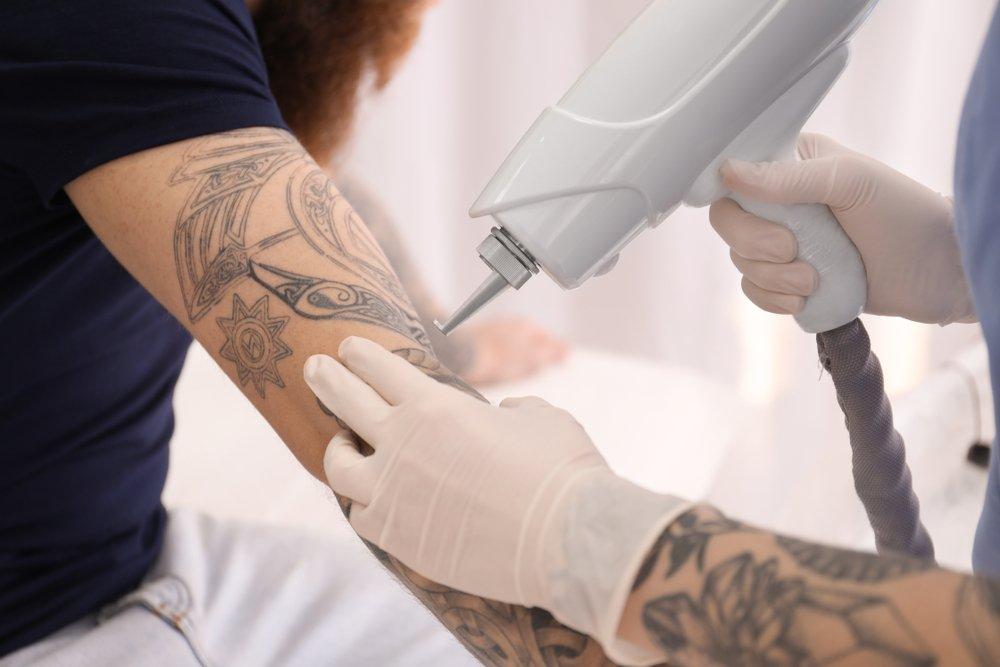
Permanent tattoo removal is a gradual process that involves multiple treatment sessions, most commonly using laser technology. While the procedure itself is relatively quick, the recovery period after each session plays a crucial role in achieving safe and effective results. Understanding what happens during recovery, how long it takes, and how to care for the treated area helps ensure smoother healing and better long-term outcomes. Permanent tattoo removal in Riyadh offers a safe and effective way to fade unwanted tattoos while supporting healthier, clearer-looking skin over time.
Immediate Post-Treatment Reaction
Immediately after a tattoo removal session, the treated area typically appears red, swollen, and slightly raised. This reaction is normal and indicates that the skin has responded to the laser energy. Some individuals may experience a sensation similar to a mild sunburn or warmth in the area. These effects usually begin to settle within a few hours to a couple of days.
In some cases, tiny blisters or pinpoint bleeding may appear. While this can be alarming, it is a common response and part of the body’s natural healing process. Proper care during this early phase is essential to prevent complications.
First Few Days After Treatment
During the first two to three days, redness and swelling gradually decrease. Mild discomfort, tenderness, or itching may persist, but these symptoms are generally manageable. The treated area may also darken temporarily as ink fragments rise closer to the skin’s surface.
Scabbing or crust formation may occur as the skin begins to repair itself. It is important not to pick, scratch, or peel the scabs, as this can increase the risk of scarring or pigmentation changes. Keeping the area clean and protected supports faster healing.
One to Two Weeks of Healing
For most individuals, visible healing takes place within one to two weeks after each tattoo removal session. Any blisters or scabs usually dry out and fall off naturally during this time. The skin may appear lighter, slightly pink, or uneven in tone as it continues to recover.
Although the surface of the skin may look healed, deeper healing is still taking place beneath the surface. During this stage, the immune system is actively clearing broken ink particles from the body. This internal process continues long after visible symptoms fade.
Longer-Term Recovery Between Sessions
While the outer skin often heals within two weeks, full recovery between sessions takes several weeks. Most tattoo removal treatments are spaced six to eight weeks apart to allow the skin and immune system adequate time to recover.
During this period, gradual fading of the tattoo becomes more noticeable. Some people continue to see improvement for weeks after a session, even without additional treatment. Rushing into another session too soon can slow progress and increase the risk of side effects.
Factors That Affect Recovery Time
Recovery time after tattoo removal varies depending on several factors. Skin type plays an important role, as some individuals heal faster than others. Tattoos located on areas with good blood circulation, such as the chest or upper arms, often recover more quickly compared to areas like the feet or ankles.
The size, color, and density of the tattoo also influence healing. Larger or heavily inked tattoos may cause more inflammation, resulting in slightly longer recovery periods. Lifestyle habits such as smoking, dehydration, and poor nutrition can slow healing and prolong recovery time.
Managing Discomfort and Supporting Healing
Discomfort after tattoo removal is usually mild and temporary. Applying a cool compress during the first 24 hours can help reduce swelling and soothe the skin. Keeping the treated area clean and dry minimizes the risk of infection.
Avoiding intense physical activity, excessive heat, and friction in the treated area for a few days is important. These activities can increase irritation and delay healing. Wearing loose clothing over the treated area helps prevent unnecessary rubbing.
Sun Protection and Skin Care
Sun exposure can interfere with healing and increase the risk of pigmentation changes. The treated area should be protected from direct sunlight throughout the recovery period. Once the skin has healed, applying sun protection helps maintain even skin tone and supports long-term results.
Moisturizing the area after initial healing can reduce dryness and itching. However, only products recommended by the treatment provider should be used to avoid irritation.
When to Expect Normal Skin Appearance
Most people notice that their skin returns to a near-normal appearance within two to four weeks after each session. Any lingering redness or sensitivity usually fades gradually. Over time, the skin continues to regenerate, and the treated area blends more naturally with the surrounding skin.

 English
 Arabic
 French
 Spanish
 Portuguese
 Deutsch
 Turkish
 Italiano
 Russian
 Romaian
 Portuguese (Brazil)
 Greek
Greek