


TCA Peels Explained: A Deep Dive into Skin Resurfacing in Saudi Arabia
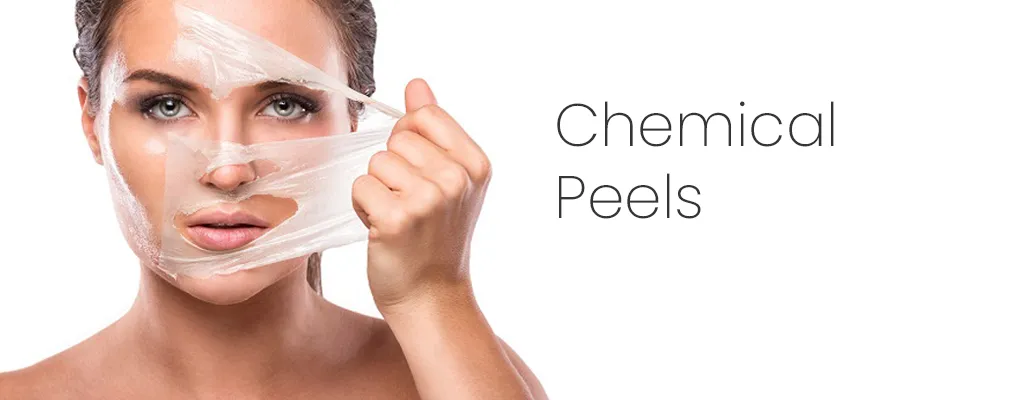
TCA Peels Explained: A Deep Dive into Skin Resurfacing in Saudi Arabia
In the vast landscape of aesthetic dermatology, Chemical Peels in Riyadh(التقشير الكيميائي في الرياض) have become a fundamental tool for those seeking more than just surface-level rejuvenation. Among the various chemical agents available, Trichloroacetic Acid (TCA) stands out as the gold standard for medium-depth skin resurfacing. Unlike milder organic acids, TCA is a potent keratolytic agent that causes protein denaturation—effectively "dissolving" damaged cells to a precise depth. In the Saudi capital, where the combination of intense sunlight and dry desert winds often results in accelerated photo-aging and stubborn pigmentation, TCA peels offer a powerful solution. They are specifically engineered to reach the papillary dermis, the layer of skin where collagen synthesis occurs, making them exceptionally effective at erasing fine lines, moderate sun damage, and acne scarring that superficial treatments might leave behind.
The Science of TCA: How Protein Coagulation Works
TCA is a non-toxic chemical related to vinegar (acetic acid) but far more concentrated and effective. When applied to the skin, it triggers a unique biological process known as protein coagulation.
-
The Frosting Effect: As the acid penetrates the skin, it reacts with the proteins in the epidermis and dermis. This reaction causes the skin to turn white, a phenomenon doctors call "frosting." This is the visible sign that the acid has reached the intended depth and the resurfacing process has begun.
-
Collagen Remodeling: By creating a controlled injury in the upper dermis, TCA forces the body into a regenerative state. It stimulates fibroblasts to produce new, organized collagen and elastin fibers, which leads to a "tightening" of the skin and a smoother surface texture over the following weeks.
-
Pigment Lifting: For those with melasma or solar lentigines (sun spots), TCA breaks up the concentrated clusters of melanin. As the skin eventually peels, these dark spots are sloughed away, revealing a more uniform complexion.
Navigating Concentrations: Finding Your Level
TCA is a versatile tool because its intensity can be adjusted based on the concentration of the solution and the number of layers applied.
-
Low Concentration (10%–15%): These are considered "superficial-plus" peels. They are excellent for first-time patients or those with darker skin tones who require a more cautious approach to avoid hyperpigmentation.
-
Medium Concentration (20%–35%): This is the most popular range in Riyadh. It provides a significant "reset" for the skin, tackling moderate wrinkles and active sun damage. It usually requires about a week of downtime.
-
High Concentration (40% and above): These are deep peels that reach the mid-dermis. Due to the high risk of scarring or permanent pigment changes, these are rarely used on the full face in Saudi Arabia, except for very localized spot-treating of "ice-pick" acne scars (a technique known as TCA CROSS).
Challenges for the Saudi Skin Type
Patients in Saudi Arabia often fall into categories IV and V on the Fitzpatrick Scale (medium tan to olive skin). This means the skin has active melanin-producing cells that can overreact to trauma.
-
Risk of PIH: Post-Inflammatory Hyperpigmentation is the primary concern with TCA in Riyadh. If the peel is too deep or the post-care is neglected, the skin may produce more pigment as a defense mechanism, leading to dark patches.
-
Sequential Peeling: To mitigate this risk, many Riyadh clinics use a "sequential" approach, starting with a very light peel or a pre-treatment with hydroquinone to "quiet" the melanocytes before performing a stronger TCA session.
-
Environmental Sensitivity: The dry Riyadh air can make the peeling process feel more tight and uncomfortable. Maintaining a strict barrier of protective ointments is essential to prevent the skin from cracking prematurely.
TCA Preparation: The 2-Week "Prime"
Because TCA is a medical-grade treatment, preparation is non-negotiable. You cannot simply walk into a clinic and receive a 30% TCA peel without "priming" your skin.
-
Melanin Inhibitors: Two weeks prior, patients are typically started on a regimen of Alpha Arbutin, Kojic Acid, or Vitamin C. This ensures that the skin’s pigment response is stabilized.
-
Avoidance of Actives: You must stop using Retinoids (Tretinoin), Glycolic Acid, and any harsh scrubs at least 7 days before your appointment to ensure your skin barrier is intact and the acid penetrates evenly.
-
Antiviral Precautions: If you have a history of cold sores, the trauma of a TCA peel can trigger an outbreak. Most specialists will prescribe a short course of antiviral medication to be taken before and after the procedure.
The Recovery Timeline: The "Sunburn" Week
| Phase | Duration | What to Expect |
| The Immediate Reaction | Day 1 | Skin looks red and feels warm, similar to a moderate sunburn. Some swelling may occur around the eyes. |
| The Darkening | Days 2–3 | The skin begins to feel very tight and often turns a brownish or leathery color as the dead layers prepare to shed. |
| The Shedding | Days 4–7 | Peeling usually starts around the mouth and nose. Do not pick or pull the skin; let it fall off naturally. |
| The Reveal | Days 8–14 | New, pink, sensitive skin emerges. Redness will gradually fade into a bright, even glow over the next few weeks. |
Strategic Aftercare in the Kingdom
In Riyadh, the post-peel period is a battle against the elements. Your primary goal is to protect the "baby skin" from the harsh desert conditions.
-
Total Sun Avoidance: For the first 7 days, stay indoors as much as possible. If you must leave the house, a mineral-based SPF 50+ containing Zinc Oxide is mandatory, along with a wide-brimmed hat.
-
Ointment Barrier: Use thick, bland emollients (like Aquaphor or medical-grade ceramides) to keep the peeling skin moist. If the skin dries out and cracks, it increases the risk of infection and scarring.
-
Cooling the Scalp: Wash your face only with cool water. Hot water can exacerbate inflammation and lead to prolonged redness.
Conclusion: A Resilient Path to Restoration
A TCA peel is a serious commitment that yields serious results. For those in Saudi Arabia dealing with the visible signs of a life spent under the desert sun, it offers a level of resurfacing that few other treatments can replicate. By respecting the potency of the acid and following a rigorous preparation and aftercare protocol, patients can safely navigate the risks of hyperpigmentation to reveal a complexion that is dramatically smoother, firmer, and more youthful. In the heart of Riyadh, where excellence in aesthetic care is the standard, the TCA peel remains a definitive choice for those who want to "reset" their skin’s history and face the future with renewed confidence.

 English
 Arabic
 French
 Spanish
 Portuguese
 Deutsch
 Turkish
 Italiano
 Russian
 Romaian
 Portuguese (Brazil)
 Greek
Greek