


Post-procedure care tips for hair transplant patients in Riyadh
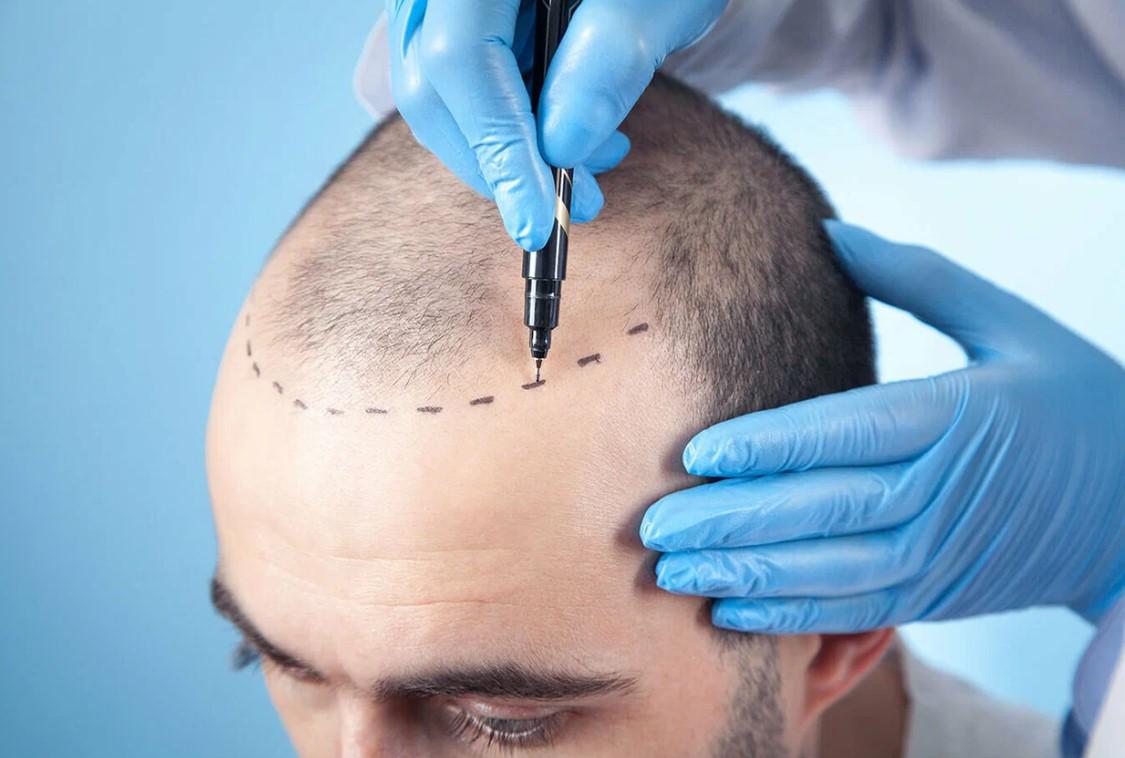
Proper post-procedure care plays a crucial role in the success of a hair transplant. While the surgical technique is important, how well a patient follows aftercare instructions can directly affect graft survival, healing speed, and final results. In Riyadh’s climate — which is often hot, dry, and sunny — extra attention is needed to protect the scalp and support healthy hair growth. Hair transplant in Riyadh offers advanced solutions for individuals seeking natural-looking hair restoration with long-lasting results.
Below is a comprehensive guide to post-hair transplant care, covering the critical first days through long-term maintenance.
1. Immediate Care in the First 24–48 Hours
The first two days after surgery are the most sensitive.
Key precautions include:
-
Avoid touching, scratching, or rubbing the transplanted area
-
Keep the head elevated while resting or sleeping to reduce swelling
-
Use extra pillows or sleep in a reclined position
-
Avoid bending forward suddenly, which may increase pressure on grafts
Mild swelling, redness, and tightness are normal and usually resolve within a few days. Pain is generally minimal and can be managed with prescribed medication.
2. Protecting the Transplanted Area
Newly transplanted follicles are extremely delicate.
To protect them:
-
Do not wear tight caps, helmets, or head coverings during the early healing phase
-
Avoid exposure to dust, smoke, and pollution
-
Stay away from crowded or unhygienic environments for several days
-
Do not allow direct contact with pillows or surfaces without proper support
In Riyadh’s sunny climate, it’s especially important to avoid direct sun exposure to the scalp for at least two to three weeks.
3. Washing and Hygiene Guidelines
Hair washing is essential but must be done carefully.
Typical washing instructions include:
-
Begin gentle washing only after the time advised by your surgeon
-
Use lukewarm water, never hot
-
Apply shampoo softly without rubbing or scrubbing
-
Pour water gently over the scalp instead of using strong water pressure
-
Pat dry with a soft towel or allow air drying
Scabs will form around transplanted follicles and should fall off naturally within 7–10 days. Never pick or force them off, as this can damage grafts.
4. Managing Swelling, Redness, and Itching
Some degree of swelling and itching is expected.
Helpful tips include:
-
Apply cold compresses to the forehead area (never directly on grafts)
-
Take prescribed anti-inflammatory medications if advised
-
Avoid scratching, even if itching becomes uncomfortable
-
Keep the scalp clean and moisturized as directed
Redness may last longer in patients with sensitive skin but usually fades over a few weeks.
5. Activity and Lifestyle Restrictions
Physical activity should be limited during the early recovery period.
General recommendations:
-
Avoid exercise, gym workouts, and heavy lifting for at least 10–14 days
-
Avoid sweating excessively, as sweat can irritate grafts
-
Refrain from swimming in pools, the sea, or hot tubs for at least one month
-
Avoid saunas and steam rooms, which are common in Riyadh gyms
Gradual return to normal activities is encouraged once healing progresses.
6. Medication and Supportive Treatments
Post-transplant medication supports healing and long-term results.
Patients may be advised to:
-
Take antibiotics to prevent infection
-
Use pain relievers as prescribed
-
Apply topical solutions or sprays to soothe the scalp
-
Continue or start hair loss medications if recommended
Consistency with medications improves graft survival and helps protect existing hair from future thinning.
7. Nutrition and Hydration
What you eat affects healing.
Post-procedure nutrition tips:
-
Drink plenty of water to keep the scalp hydrated
-
Eat protein-rich foods to support hair growth
-
Include fruits and vegetables rich in vitamins and antioxidants
-
Avoid excessive caffeine and processed foods during early recovery
Smoking and alcohol should be avoided for at least two weeks, as they can reduce blood flow to grafts and slow healing.
8. Understanding Hair Shedding and Growth Phases
Many patients worry when transplanted hair begins to shed.
Important reassurance:
-
Shedding within the first 2–6 weeks is normal
-
Hair follicles remain healthy beneath the skin
-
New hair growth typically starts after 3–4 months
-
Visible improvement appears around 6–9 months
-
Full results usually develop by 12 months
Patience is essential during this phase.

 English
 Arabic
 French
 Spanish
 Portuguese
 Deutsch
 Turkish
 Dutch
Dutch
 Russian
 Romaian
 Portuguese (Brazil)
 Greek
Greek