


Pain management during and after breast augmentation surgery in Riyadh
Pain management is an essential part of breast augmentation surgery, helping ensure patient comfort, safety, and a smoother recovery experience. In Riyadh, breast augmentation procedures follow internationally recognized medical standards, with modern anesthesia techniques and structured post-operative care plans designed to minimize discomfort. Understanding how pain is managed at each stage of the process helps patients prepare mentally and physically for surgery. Breast augmentation surgery in Riyadh is a popular cosmetic procedure for enhancing breast size, shape, and overall body proportions with long-lasting results.
Pain Management During Surgery
Breast augmentation surgery is typically performed under general anesthesia, which ensures the patient is fully asleep and feels no pain during the procedure. Before anesthesia is administered, an anesthesiologist reviews the patient’s medical history, current medications, and any previous reactions to anesthesia. This evaluation allows the anesthesia plan to be tailored to the patient’s needs.
During surgery, anesthesia keeps the patient unconscious while also controlling physiological responses such as blood pressure and heart rate. Local anesthetics may be injected around the surgical area to numb tissues even after the patient wakes up. This combination of general and local anesthesia helps reduce immediate post-surgical pain.
In some cases, long-acting local anesthetics are used within the implant pocket. These medications continue to provide pain relief for several hours after surgery, allowing the patient to wake up with minimal discomfort.
Immediate Post-Surgery Pain Control
After the procedure, the patient is moved to a recovery area where medical staff monitor vital signs as the anesthesia wears off. Mild to moderate discomfort, chest tightness, and pressure are common sensations during this stage. Pain is usually strongest within the first 24 to 48 hours.
To manage this early discomfort, doctors prescribe oral pain medications. These may include a combination of prescription pain relievers and anti-inflammatory drugs. The goal is to control pain while minimizing side effects such as nausea or drowsiness.
Patients are encouraged to take medications as directed rather than waiting for pain to become severe. Early and consistent pain control helps reduce muscle tension, improve mobility, and support faster recovery.
Managing Muscle-Related Discomfort
When implants are placed under the chest muscle, patients often experience muscle tightness or spasms. This sensation is normal and gradually decreases as the muscles adapt to the implants.
To manage muscle-related discomfort, surgeons may prescribe muscle relaxants. Gentle arm movements and proper posture can also help reduce stiffness. However, strenuous activity and heavy lifting should be avoided during the early recovery period.
Swelling, Bruising, and Inflammation
Swelling and bruising contribute significantly to post-surgical discomfort. These symptoms are expected and typically peak within the first few days before gradually improving.
To manage swelling:
-
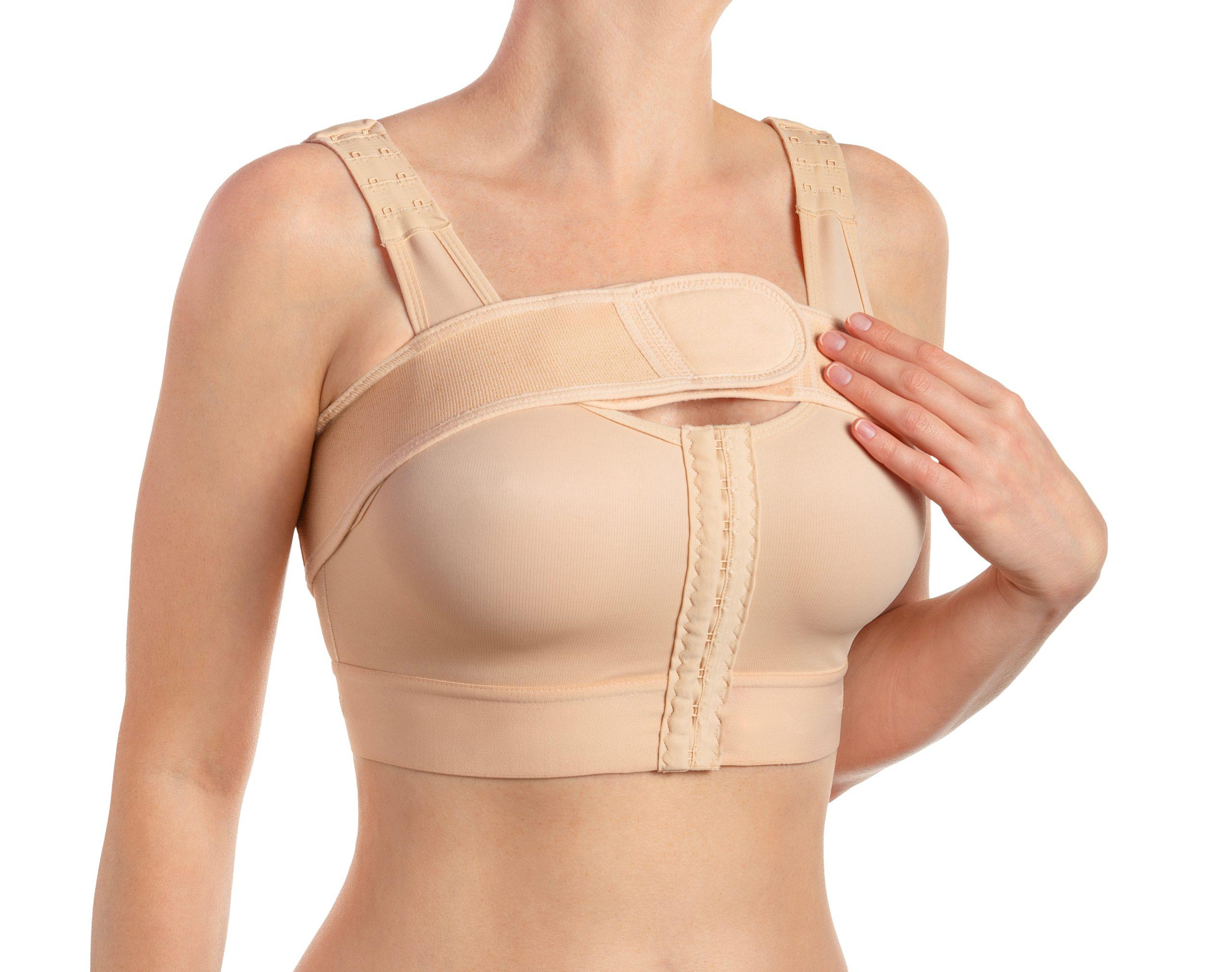
Patients are advised to wear a supportive surgical bra at all times
-
Sleeping with the upper body slightly elevated can reduce pressure
-
Cold compresses may be recommended for short intervals, avoiding direct contact with incisions
Anti-inflammatory medications may also be prescribed to help control swelling and reduce pain.
Pain Management at Home
Once discharged, patients continue their pain management routine at home. Rest is essential during the first week. Light walking is encouraged to promote circulation, but excessive arm movement should be limited.
Proper hydration, balanced nutrition, and adequate sleep support healing and pain reduction. Patients are advised to avoid smoking, as it can increase inflammation and slow recovery.
Following post-operative instructions carefully helps prevent complications that could increase pain, such as infection or implant displacement.
Pain Progression Over Time
Pain after breast augmentation typically follows a predictable pattern. The first few days are the most uncomfortable, with gradual improvement over the next one to two weeks. Most patients report significant relief within the first week, with only mild soreness remaining.
By the third or fourth week, pain is usually minimal, and patients can resume most daily activities. Exercise and strenuous movement are reintroduced gradually based on the surgeon’s guidance.
When to Contact Your Surgeon
While discomfort is expected, severe or worsening pain is not normal. Patients should contact their surgeon if they experience:
-
Sudden sharp pain on one side
-
Excessive swelling or redness
-
Fever or chills
-
Persistent pain that does not improve with medication
Early evaluation helps address potential complications quickly and ensures proper pain control.
Emotional Comfort and Reassurance
Emotional reassurance plays an important role in pain perception. Clear communication, regular follow-ups, and realistic expectations help reduce anxiety, which can intensify pain. Many patients find comfort in knowing that discomfort is temporary and part of the healing process.

 English
 French
 Spanish
 Portuguese
 Deutsch
 Turkish
 Dutch
Dutch
 Italiano
 Russian
 Romaian
 Portuguese (Brazil)
 Greek
Greek