


Skin types and tattoo removal effectiveness in Riyadh
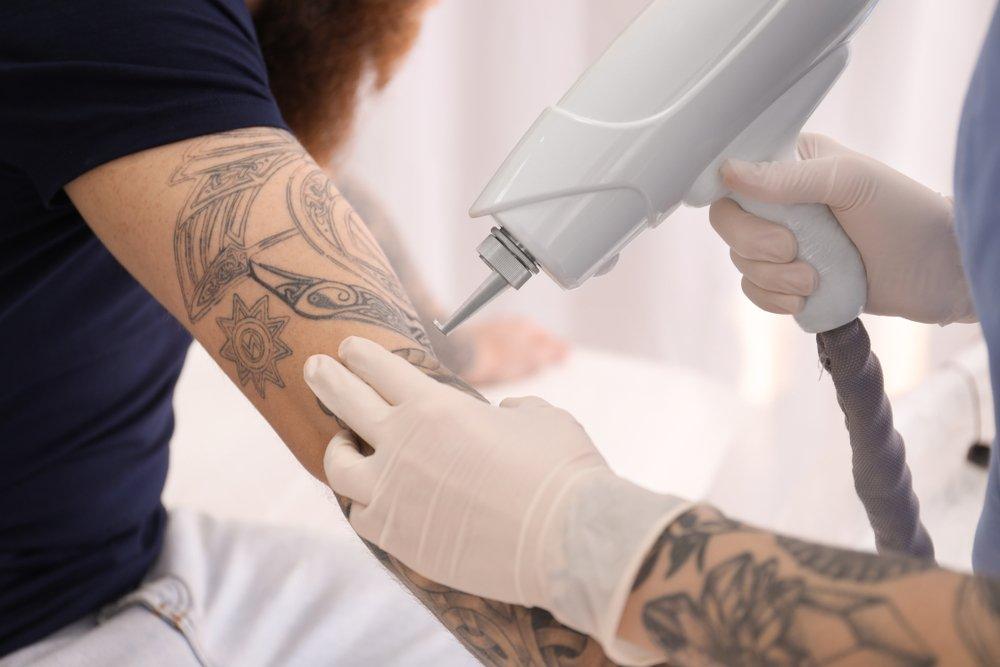
When considering tattoo removal in Riyadh, one of the most important factors that influences both effectiveness and safety is your skin type. Skin varies widely between individuals, and this variation affects how laser energy interacts with your skin and tattoo ink. Understanding how different skin types respond to laser tattoo removal can help you set realistic expectations, choose the best treatment approach, and reduce the risk of side effects like pigmentation changes or scarring. If you are considering getting rid of unwanted ink, permanent tattoo removal in Riyadh offers safe and effective options for all skin types.
In Riyadh, where the population reflects a broad range of skin tones — from lighter olive and fair tones to deeper brown and darker complexions — a tailored approach to tattoo removal is essential. The Fitzpatrick skin type classification system is commonly used by dermatologists and laser specialists to assess a person’s skin type and determine the safest and most effective laser settings. This system ranges from Type I (very fair skin) to Type VI (very deep brown or black skin). Each category has its own considerations when it comes to tattoo removal.
How Skin Pigmentation Affects Laser Tattoo Removal
Laser tattoo removal works by delivering pulses of high‑intensity light that are absorbed by the tattoo ink particles beneath the skin. The energy breaks ink into fragments that the immune system gradually removes. However, melanin — the natural pigment in your skin — also absorbs laser energy. That means the darker your skin, the more melanin present, which can compete with ink for laser absorption. This competition has two main consequences:
-
Risk of Pigmentation Changes — When melanin absorbs excess laser energy, the skin can either darken (hyperpigmentation) or lighten (hypopigmentation) after treatment.
-
Adjustment of Laser Settings — To avoid unwanted effects, specialists must choose specific wavelengths and lower energy settings for darker skin types, which sometimes means more sessions are needed to achieve similar fading compared with lighter skin.
Fitzpatrick Skin Types and Removal Considerations
Types I–III (Lighter Skin Tones)
These skin types usually tan minimally and burn easily. They have less melanin, so laser light is more readily absorbed by the tattoo ink rather than the surrounding skin.
Effectiveness:
• These skin tones often respond well to tattoo removal with fewer side effects.
• Standard Q‑switched and picosecond lasers can be used with high precision, leading to effective ink fragmentation.
Risks:
• Although relatively low risk, sensitivity and temporary redness or blistering can still occur if aftercare is neglected.
Typical Considerations in Riyadh:
• Many clinics offer fast treatment plans for lighter skin types because the laser can be more aggressive without risking uneven pigmentation.
Types IV–VI (Medium to Darker Skin Tones)
These skin types have higher melanin content, which introduces additional complexity during laser removal. Common among many people in Riyadh, these tones require specialized protocols to ensure safety and effectiveness.
Effectiveness:
• Laser protocols must be adjusted so more energy is directed into ink particles and less into melanin.
• Darker skin tones often need more sessions and longer intervals between treatments to reduce the risk of pigment changes and allow proper healing.
• Certain laser wavelengths — especially longer wavelengths — are safer and more effective for darker tones because they target ink while bypassing melanin.
Risks:
• Hyperpigmentation and hypopigmentation are the most common side effects, especially if treatments are too aggressive or if aftercare is poor.
• Scarring is less common but can occur if healing is disrupted by sun exposure or infection.
Typical Considerations in Riyadh:
• Riyadh clinics experienced with diverse skin types often begin with test spots on the tattoo to observe reactions before full treatment.
• Cooling devices and slower energy delivery may be used to protect surrounding skin.
Tattoo Colors and Skin Types
Color also interacts with skin pigmentation. Some ink colors respond differently depending on how melanin absorbs laser light:
-
Black and dark blue inks are the easiest to remove across all skin types because they absorb laser energy efficiently.
-
Red ink can be moderately responsive, though red may require specific wavelengths.
-
Green, yellow, orange, and light blue are generally the most challenging — especially on darker skin — because they absorb less laser energy and may require specialized lasers.
In Riyadh clinics, specialists often customize laser combinations to address both color complexity and skin tone, sometimes integrating picosecond lasers that break ink into even smaller particles. Although effective, these advanced treatments may require higher costs and more sessions.
Healing, Aftercare, and Skin Type
Aftercare is critical regardless of skin type, but it’s especially important for darker tones to prevent pigment changes:
-
Sun protection is essential — direct sun can worsen hyperpigmentation.
-
Gentle skincare with non‑irritating ointments helps maintain even pigmentation.
-
Proper healing windows between sessions ensure the skin recovers fully before additional laser exposure.
Specialists in Riyadh often provide aftercare plans that consider local climate factors, such as high sun exposure, which can especially impact melanin‑rich skin during healing.
Choosing the Right Specialist in Riyadh
Because of the complex interaction between tattoo ink, laser energy, and skin pigmentation, choosing a trained dermatologist or laser specialist is essential. A professional will:
-
Evaluate your Fitzpatrick skin type
-
Recommend appropriate wavelengths and laser settings
-
Plan a safe and effective session schedule
-
Provide tailored aftercare support
Conclusion
Skin type plays a fundamental role in tattoo removal effectiveness in Riyadh. While lighter skin tones often allow faster and more straightforward treatment, medium to darker tones require more careful planning, specific laser settings, and diligent aftercare. With the right specialist and technology, however, individuals across all skin types can achieve successful tattoo fading or removal, making the journey toward clearer skin both safe and effective.

 English
 Arabic
 French
 Spanish
 Portuguese
 Deutsch
 Turkish
 Dutch
Dutch
 Italiano
 Russian
 Portuguese (Brazil)
 Greek
Greek