


LMS vs Virtual Classroom: Key Differences & Use Cases
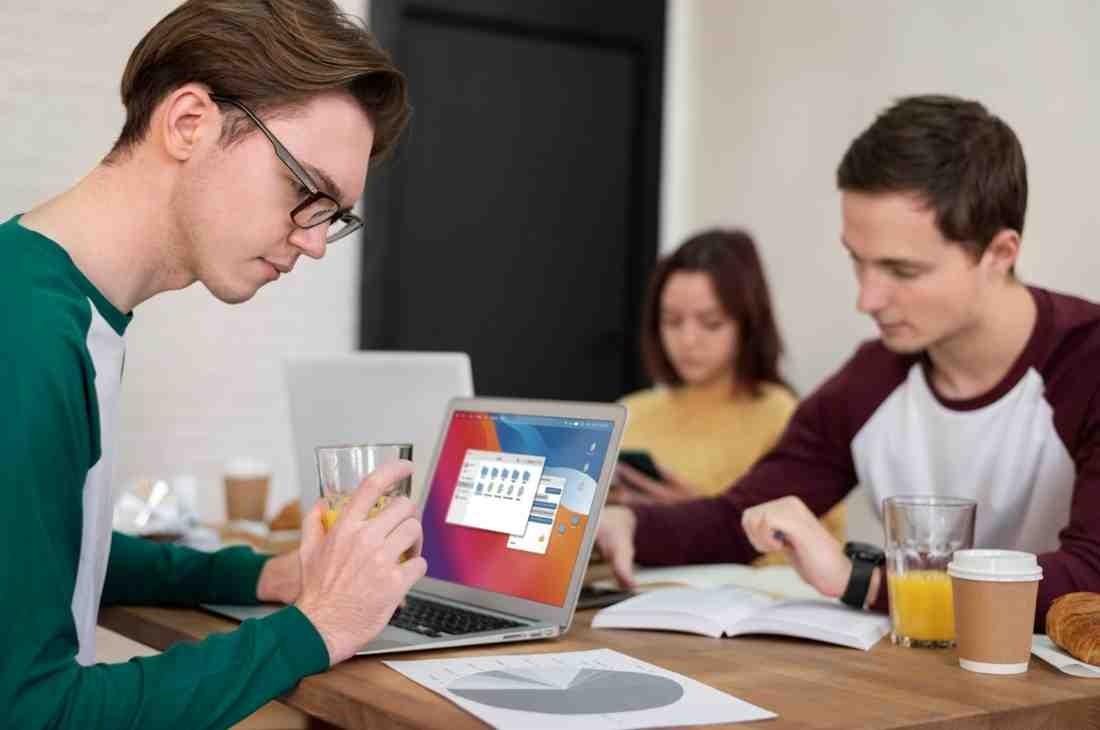
If you’ve spent any time in education, corporate training, or online learning over the past few years, you’ve probably heard this question more times than you can count:
“Do we need an LMS or a virtual classroom?”
On the surface, it feels like a straightforward comparison. Both are digital learning tools. Both support remote education. Both became essential during the global shift to online learning.
But once you get past the feature lists, something becomes clear.
An LMS and a virtual classroom are not competing tools.
They represent two very different ways people learn.
Understanding that difference—at a human level—is what helps organizations choose the right platform, or more often, the right combination.
Start With the Real Question (Not the Technology)
Before choosing any platform, it helps to ask a more honest question:
How do people actually learn in your environment?
-
Do learners need flexibility or real-time guidance?
-
Is learning continuous or event-based?
-
Are outcomes measured over months—or moments?
-
Is interaction optional—or essential?
The answers to these questions usually reveal whether you need an LMS, a virtual classroom, or a blended approach supported by custom e-learning app development.
What an LMS Really Is (Beyond the Definition)
A Learning Management System (LMS) is often described as a tool to “manage learning.”
In reality, an LMS is designed to organize, deliver, track, and measure learning over time.
It excels at:
-
Structuring courses into modules and lessons
-
Hosting videos, documents, quizzes, and assignments
-
Tracking progress, completion, and assessments
-
Managing users, roles, and permissions
-
Generating reports for compliance and performance
An LMS is built on a core assumption:
Learning doesn’t always need to happen live to be effective.
And in many scenarios—especially in corporate and professional learning—that assumption is correct.
This is why many organizations work with an education app development company to build LMS platforms tailored to their workflows, audiences, and reporting needs.
The Human Experience of an LMS
From a learner’s perspective, an LMS feels like a guided library.
You log in.
You see what needs to be completed.
You move forward at your own pace.
You return when time allows.
This makes LMS platforms ideal for:
-
Working professionals
-
Distributed teams
-
Compliance-heavy industries
-
Long-term upskilling programs
But there’s a trade-off.
Without live interaction, learners may:
-
Lose motivation
-
Skip difficult concepts
-
Complete content without real understanding
An LMS is excellent at structure and accountability.
It is less effective at energy, immediacy, and dialogue.
What a Virtual Classroom Actually Is
A virtual classroom is a digital version of a physical classroom.
It focuses on:
-
Live video and audio
-
Instructor-led sessions
-
Real-time interaction
-
Immediate feedback
At its best, a virtual classroom recreates the feeling of:
-
Asking questions mid-session
-
Reading expressions and reactions
-
Engaging in discussion
-
Learning together, in real time
The technology matters—video, chat, polls, breakout rooms—but what defines a virtual classroom is presence.
This is the foundation of modern virtual learning platform development.
The Human Experience of a Virtual Classroom
A good virtual classroom feels alive.
There’s momentum.
There’s accountability.
There’s shared attention.
Learners show up because:
-
Someone is expecting them
-
Participation matters
-
Interaction feels immediate
This makes virtual classrooms especially effective for:
-
Language learning
-
Soft skills training
-
Coaching and mentoring
-
Collaborative problem-solving
But live learning has constraints.
If someone misses a session, the moment is gone.
If attention drifts, learning is lost.
If schedules don’t align, participation drops.
A virtual classroom is powerful—but fragile.
The Core Difference (Simplified)
Strip away the technology, and the difference becomes clear:
An LMS is designed for learning over time.
A virtual classroom is designed for learning in the moment.
One is asynchronous.
The other is synchronous.
One prioritizes structure.
The other prioritizes interaction.
Neither is better by default.
They solve different learning problems.
LMS: Strengths & Ideal Use Cases
An LMS works best when learning needs to be:
1. Scalable and Repeatable
Ideal for:
-
Employee onboarding
-
Compliance training
-
Certification programs
-
Product knowledge distribution
2. Self-Paced
Learners can pause, revisit, and reflect—critical for deep understanding.
3. Trackable and Auditable
Completion rates, scores, and reports matter in regulated industries.
4. Long-Term
LMS platforms support learning journeys that evolve over months or years.
This is where e-learning app development companies focus on building systems that scale without losing clarity.
Virtual Classroom: Strengths & Ideal Use Cases
Virtual classrooms shine when learning needs to be:
1. Interactive and Experiential
Best for discussion-heavy or practice-based learning.
2. Instructor-Led
Real-time explanation and adaptation improves comprehension.
3. Social and Motivational
Live presence increases engagement and accountability.
4. Time-Bound
Perfect for workshops, bootcamps, and scheduled programs.
Where Organizations Often Get It Wrong
Many teams try to force one system to behave like the other.
They expect an LMS to feel interactive.
They expect a virtual classroom to manage long-term learning journeys.
This leads to:
-
Cluttered LMS platforms
-
Disorganized live sessions
-
Poor learner experience
The issue isn’t the technology.
It’s misaligned learning design.
The Hybrid Reality (Where Most Succeed)
Most modern learning ecosystems combine both models.
For example:
-
The LMS hosts structured content, assessments, and progress tracking
-
The virtual classroom delivers live sessions, discussions, and interaction
Learners might:
-
Study materials asynchronously
-
Attend live sessions for discussion
-
Return to the LMS for reinforcement
This blended approach mirrors how people actually learn.
It’s also where AI powered e-learning solutions increasingly add value—by personalizing content paths, recommending sessions, and improving engagement.
Corporate Training: LMS vs Virtual Classroom
LMS Is Best For:
-
Compliance training
-
SOP documentation
-
Onboarding at scale
Virtual Classroom Is Best For:
-
Leadership development
-
Sales coaching
-
Role-based simulations
Trying to teach leadership purely through an LMS often fails.
Trying to manage compliance through live sessions doesn’t scale.
Education & EdTech: LMS vs Virtual Classroom
LMS in Education:
-
Curriculum delivery
-
Revision and exam prep
-
Progress tracking
Virtual Classroom in Education:
-
Live doubt-clearing
-
Student-teacher connection
-
Peer interaction
Students don’t just need content.
They need connection.
That’s why many institutions work with an e-learning app development company to design blended platforms instead of choosing one tool in isolation.
The Cost of Choosing the Wrong Platform
Choosing the wrong system affects more than budgets.
-
Learner engagement drops
-
Completion rates fall
-
Instructors burn out
-
Leadership loses visibility
Learning fails not because people don’t want to learn—but because the environment doesn’t support how they learn.
How to Decide: Ask Human Questions
Instead of comparing features, ask:
-
Do learners need flexibility or presence?
-
Is learning continuous or event-based?
-
Is interaction critical or optional?
-
Do we need long-term reporting?
The answers usually point clearly toward:
-
LMS
-
Virtual classroom
-
Or a thoughtful blend of both
Final Thought: Learning Is Human Before It Is Digital
Technology didn’t invent learning.
It only changed how it’s delivered.
An LMS and a virtual classroom are not rivals.
They are tools designed for different moments in the learning journey.
When platforms are designed with empathy—and supported by thoughtful custom e-learning app development—technology fades into the background, and learning finally takes center stage.
Frequently Asked Questions (FAQ)
1. Is an LMS better than a virtual classroom?
Neither is better by default. They solve different learning needs.
2. Can an LMS include live classes?
Yes, but LMS platforms are strongest when paired with virtual classrooms for interaction.
3. Do we need both LMS and virtual classroom?
Many organizations benefit from a blended approach combining both.
4. Can AI improve LMS and virtual classrooms?
Yes. AI powered e-learning solutions personalize content, improve engagement, and enhance analytics.
5. How do we choose the right platform?
Start with learning goals, not features.
Call to Action (CTA)
If you’re planning to build a modern learning ecosystem—whether LMS, virtual classroom, or a blended solution—working with an experienced Enfin Technologies can help align technology with real learning needs.
Explore scalable, human-centered e-learning app development designed to grow with your learners.

 English
 Arabic
 French
 Spanish
 Portuguese
 Deutsch
 Turkish
 Dutch
Dutch
 Italiano
 Romaian
 Portuguese (Brazil)
 Greek
Greek