


Brain Anatomy: Unlocking the Structure Behind Human Cognition
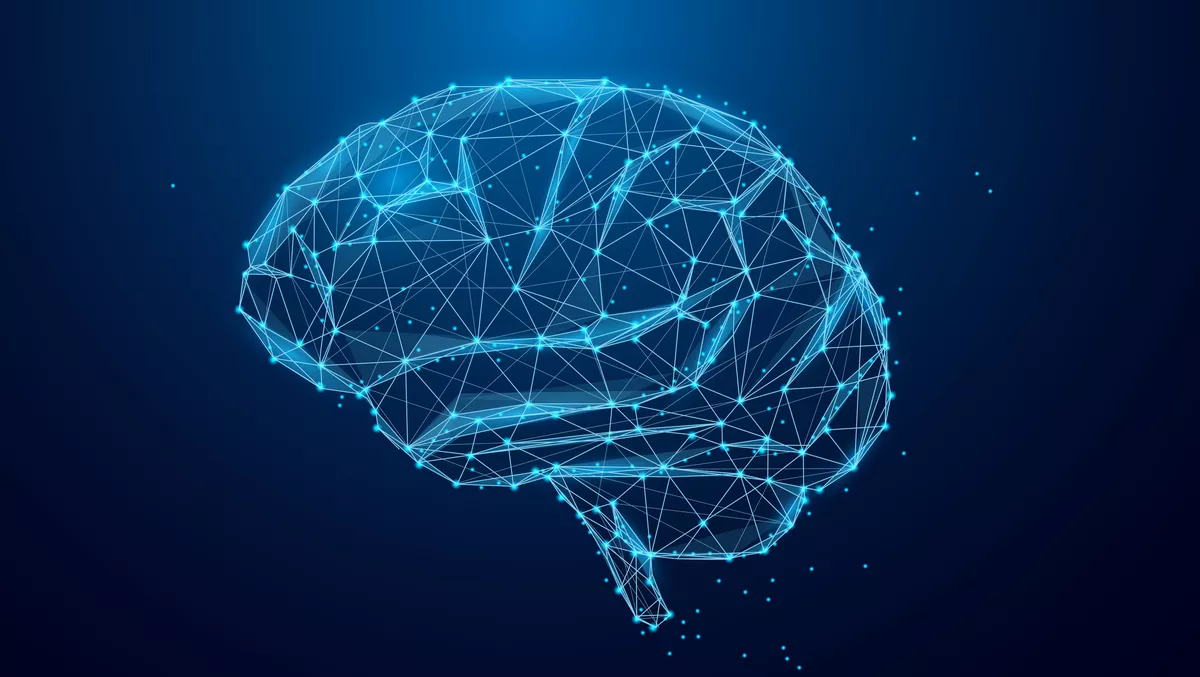
The study of brain anatomy is essential for understanding how the human mind functions. Each thought, feeling, and action originates in specific regions of the brain, and exploring these structures provides insight into how we process information, learn, and interact with the world. By studying anatomy, learners can connect physical structures with their corresponding functions, transforming complex concepts into tangible understanding.
Focusing on anatomy equips students, educators, and curious individuals with a clear framework to explore how the brain organizes behavior, memory, emotion, and sensory perception. This approach bridges theory and practical knowledge, allowing the brain’s intricate systems to become more approachable.
The Importance of Studying Brain Anatomy
Understanding the brain’s structure is foundational for grasping its function. Every mental process, from decision-making to visual perception, is anchored in physical regions that interact in highly coordinated ways.
Advantages of Anatomy-Focused Learning
Studying brain anatomy helps learners:
-
Visualize the relationships between brain regions
-
Understand pathways for information processing
-
Connect cognitive functions to anatomical structures
-
Build knowledge that is retained and applied effectively
Anatomy-first learning ensures that complex neuroscience concepts are accessible and logically organized.
The Cerebral Cortex: Center for Higher-Order Functions
The cerebral cortex forms the brain’s outer layer and is responsible for complex processes such as reasoning, problem-solving, perception, and voluntary movement. It is divided into two hemispheres and four main lobes, each specialized yet interconnected for integrated brain activity.
Frontal Lobe: Executive Control and Motor Function
The frontal lobe governs planning, judgment, attention, and emotional regulation. It also houses the primary motor cortex, which directs voluntary muscle movements.
Studying this lobe anatomically illustrates how higher-order behaviors are supported by physical structures.
Parietal Lobe: Sensory Processing and Spatial Awareness
The parietal lobe processes touch, pressure, and body positioning. It enables the brain to interpret sensory input and navigate spatial environments effectively.
Anatomical exploration clarifies how sensory information translates into perception and interaction.
Temporal Lobe: Memory and Auditory Processing
The temporal lobe handles hearing, language comprehension, and memory formation. The hippocampus, located within this lobe, plays a vital role in encoding and retrieving experiences.
Understanding the temporal lobe anatomically reveals how communication and memory rely on structured neural networks.
Occipital Lobe: Visual Interpretation
The occipital lobe processes visual information. It allows the brain to recognize shapes, colors, and motion, forming the foundation for visual perception.
Studying its anatomy highlights how visual data becomes meaningful experience.
Subcortical Structures: Supporting Core Functions
Beneath the cortex, subcortical regions regulate essential processes such as movement, learning, and survival functions. These structures maintain efficiency and balance within the brain.
Thalamus: Information Relay Hub
The thalamus acts as a central relay station, directing sensory signals to the appropriate cortical areas. Its anatomical connections organize and prioritize incoming information.
Hippocampus: Learning and Memory Formation
The hippocampus is crucial for forming new memories and supporting learning. Understanding its structure explains how experiences are stored and retrieved.
Basal Ganglia: Movement Coordination and Habit Formation
The basal ganglia regulate voluntary movement and help establish habits. Studying its anatomy shows how motor control and repeated behaviors are managed.
Brainstem: Automatic Life Functions
The brainstem controls vital functions such as breathing, heart rate, and sleep cycles. Anatomical knowledge demonstrates how these processes continue seamlessly without conscious effort.
Effective Strategies for Learning Brain Anatomy
Anatomy-focused learning is most effective when information is clear, structured, and visually supported. Step-by-step explanations allow learners to move from broad regions to finer details while maintaining context.
Visual diagrams and organized lessons reinforce understanding, making the brain’s complex systems easier to master.
Who Can Benefit from Studying Anatomy?
An anatomy-based approach is valuable for:
-
Students studying neuroscience, psychology, or biology
-
Educators preparing structured learning materials
-
Health and wellness enthusiasts
-
Lifelong learners interested in the human mind
Because anatomical knowledge provides a universal framework, learners at all levels can gain insight into brain function.
Applying Brain Anatomy to Everyday Life
Understanding brain structure helps explain everyday experiences, from focusing attention and recalling memories to coordinating movements and managing emotions. Recognizing how different regions contribute to behavior makes the study of anatomy both practical and engaging.
Curiosity as a Gateway to Lifelong Learning
Curiosity drives exploration and deeper understanding. Learning brain anatomy nurtures this curiosity, encouraging learners to explore new topics while connecting structural knowledge to real-world experiences.
For those seeking a structured, accessible, and comprehensive resource, Cortex Curious provides an anatomy-first platform. It connects physical brain structures with their functional roles, making the study of thought, memory, and behavior clear, engaging, and applicable for learners at all levels.
Conclusion
Studying brain anatomy transforms the way we understand human cognition. By learning how the brain is organized and how its parts work together, learners gain clarity, confidence, and a profound appreciation for this remarkable organ.
An anatomy-focused approach provides a clear roadmap for exploring thought, memory, emotion, and behavior, turning curiosity into knowledge and fostering lifelong learning about the human brain.

 English
 French
 Spanish
 Portuguese
 Deutsch
 Turkish
 Dutch
Dutch
 Italiano
 Russian
 Romaian
 Portuguese (Brazil)
 Greek
Greek