


The Environmental Journey of a Wrecked Ford in Adelaide
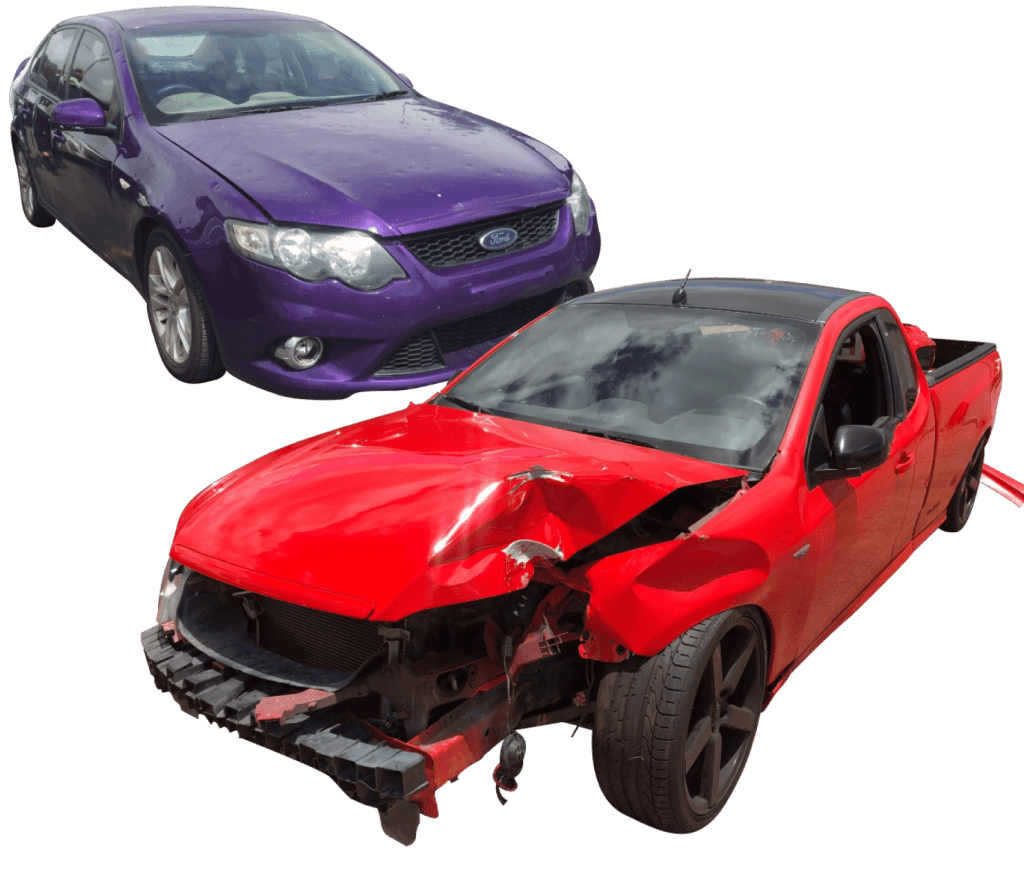
Every vehicle has a life cycle. From the moment a car rolls off the factory floor to the day it is no longer roadworthy, it leaves a mark on the environment. In Adelaide, thousands of Ford vehicles reach the end of their life every year due to accidents, mechanical failure, or age. While a wrecked car might seem like waste, it actually begins a new journey when it enters the recycling system. This journey has a significant impact on the environment, as careful handling can prevent pollution, conserve materials, and reduce energy consumption.
This article explores the environmental journey of a wrecked Ford in Adelaide, showing how dismantling, parts recovery, recycling, and disposal practices contribute to a more sustainable automotive industry.
Learn more: https://www.carwreckersadelaide.com/
The Scale of Automotive Waste
Australia retires over half a million vehicles annually. Each car contains a combination of metals, plastics, rubber, glass, fluids, and electronics. Improper disposal can lead to long-term environmental damage. For example, vehicle fluids such as engine oil, brake fluid, and coolant contain chemicals that are harmful to soil and water. Similarly, batteries and airbags can release toxic substances if not handled correctly.
Ford vehicles are common across South Australia, including models like the Falcon, Ranger, and Territory. When these vehicles reach the end of their service life, they enter wrecking yards where each component is carefully evaluated to reduce waste and environmental harm.
Arrival at the Wrecker Yard
When a Ford vehicle arrives at a wrecker yard in Adelaide, it does not go straight to crushing. The first step in its environmental journey is inspection. Workers assess which parts are reusable and which require special treatment. Items such as engines, transmissions, alternators, and suspension components are tested and removed for resale or repurposing. This process ensures that parts that are still functional do not become unnecessary waste.
After inspection, the vehicle undergoes a depollution process. Fluids, including petrol, diesel, brake fluid, engine oil, and coolant, are drained using controlled systems. These substances are then collected and sent to licensed recycling or treatment facilities. Safe fluid management is critical because even a small leak of engine oil can contaminate thousands of litres of water. Batteries are also removed at this stage. Lead-acid batteries are hazardous if discarded improperly, but recycling allows lead and acid to be reused in new products.
Parts Recovery and Reuse
One of the main environmental benefits of a wrecker yard is parts recovery. Many Ford vehicles are written off due to minor body damage, while mechanical and electrical components remain in excellent condition. Recovered parts include engines, gearboxes, suspension components, lights, mirrors, and electronics. These parts are cleaned, tested, and sold to repair workshops or individuals looking to restore a vehicle.
Reusing automotive parts reduces the need to manufacture new components. Manufacturing new steel or aluminium parts requires mining, refining, and energy-intensive processes. By keeping parts in circulation, energy consumption and greenhouse gas emissions are significantly lowered. Studies show that using recycled parts can save up to 80 percent of the energy required to produce the same component from raw materials.
Metal Recycling and Energy Savings
After reusable parts are removed, the remaining vehicle shell is processed for metal recovery. On average, a Ford vehicle contains around 65 percent steel and up to 10 percent aluminium. Steel and aluminium are separated and sent to recycling facilities where they are melted and transformed into new products. Recycling steel consumes roughly 75 percent less energy than producing steel from iron ore, while aluminium recycling saves up to 95 percent of the energy needed for primary production.
Recycling metals also reduces the environmental impact of mining. Mining operations can disrupt ecosystems, consume large amounts of water, and produce carbon emissions. By recovering metals from wrecked cars, the pressure on natural resources is lowered, and waste sent to landfill is reduced.
Recycling Plastics, Glass, and Rubber
Modern vehicles contain increasing amounts of plastic. Plastics are used for dashboards, interior panels, bumpers, and trim. In wrecking yards, plastics are sorted based on type. Some plastics are sent for mechanical recycling, turning them into raw material for other industries. Other plastics that cannot be directly recycled are sometimes processed into fuel or industrial fillers, reducing overall waste.
Automotive glass from windscreens and windows is carefully removed. Laminated and tempered glass cannot be recycled like standard glass, but it can be crushed and used in road construction or other applications. Tyres are another important part of the recycling process. Tyres take hundreds of years to decompose in landfill. At specialised facilities, tyres are shredded and converted into playground surfaces, road material, or fuel sources.
Safe Handling of Hazardous Materials
Vehicles contain a number of components that can be hazardous if not treated properly. Airbags contain chemical propellants that need controlled deployment or neutralisation. Electronics, such as sensors and control modules, contain metals like copper, lead, and tin. Ford wreckers in Adelaide follow strict environmental guidelines to separate, treat, and recycle these materials safely. Proper handling ensures that harmful substances do not enter the environment and protects workers and local communities from exposure.
Contribution to a Circular Economy
The environmental journey of a wrecked Ford does not end at recycling. Every recovered part, recycled metal, and treated fluid contributes to a circular economy. In this system, materials are continuously reused rather than being discarded after a single use. The more parts and materials are recovered, the less the need for raw resource extraction and the lower the impact on the environment.
By maintaining this cycle, wrecked vehicles become more than waste. They become sources of material that can power new vehicles, machinery, or infrastructure projects. This cycle reduces greenhouse gas emissions, saves energy, and lowers the volume of materials sent to landfill.
Reducing Landfill and Resource Use in Adelaide
A single car weighs over 1,500 kilograms on average. Without recycling, this weight adds quickly to landfill. Proper dismantling and recycling can divert up to 85 percent of a vehicle by weight away from landfill. Metals, plastics, glass, rubber, and fluids are either reused or processed for recycling, leaving only small amounts of residue. By keeping old Fords out of landfill, Adelaide reduces environmental pollution and extends the life of existing landfills.
Local Knowledge Enhances Environmental Impact
Ford vehicles have specific components and designs that vary by model and year. Local knowledge in Adelaide ensures that salvage operations are efficient. Workers understand which parts can be safely reused, which fluids need careful handling, and which materials require specialised recycling. This local expertise maximises material recovery and reduces unnecessary waste.
Long-Term Environmental Benefits
The cumulative effect of recycling wrecked Fords is significant. Each recovered part reduces demand for new production. Each tonne of recycled steel or aluminium saves energy and cuts carbon emissions. Each fluid that is treated prevents soil and water contamination. Over time, these practices contribute to cleaner land, lower greenhouse gas emissions, and a reduction in resource depletion.
The presence of ford wreckers adelaide plays an important role in this process by managing end-of-life vehicles with environmental responsibility.
Conclusion
The environmental journey of a wrecked Ford in Adelaide is a story of recovery, recycling, and resource conservation. From the moment a car reaches the wrecker yard, it undergoes a careful process that prevents pollution, recycles materials, and gives old parts a new life. Every recovered component and treated fluid reduces environmental pressure, saves energy, and supports a circular economy.
By understanding this journey, people can appreciate that wrecked vehicles are not merely waste. They are part of a system that transforms retired cars into resources for the future. Through careful dismantling, responsible recycling, and local expertise, Ford vehicles continue to contribute to the environment long after their life on the road has ended.

 English
 French
 Spanish
 Portuguese
 Deutsch
 Turkish
 Dutch
Dutch
 Italiano
 Russian
 Romaian
 Portuguese (Brazil)
 Greek
Greek