


When to Touch Up Paint vs. When to Repaint Entire Rooms
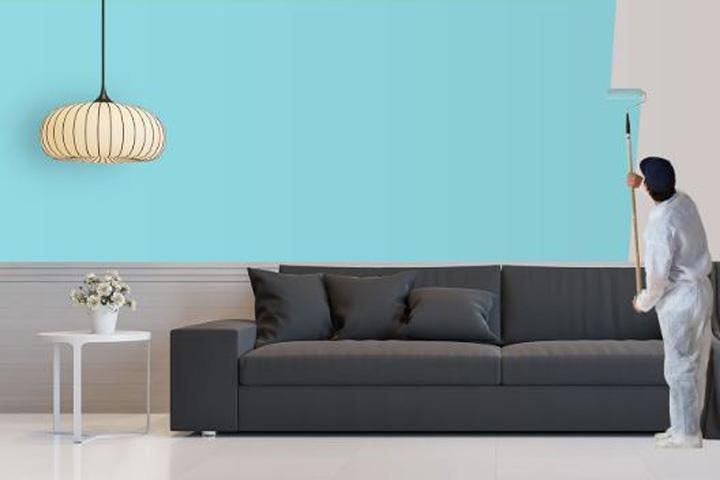
Deciding whether to grab a small brush for a quick fix or to clear the furniture for a total overhaul is a common dilemma for homeowners. While a small scuff might seem like an easy fix, the physics of paint—fading, sheen levels, and texture—often complicates the "simple" DIY project. If you are looking for a professional Interior Painting Service in Naples, FL, understanding these nuances can save you significant time and money.
What You Should Know About Paint Degradation
Before diving into the "how," you must understand the "why." Paint isn't just color; it’s a chemical film. Over time, ultraviolet rays from the Florida sun, humidity, and even indoor lighting alter the molecular structure of the paint.
- UV Exposure: Even interior rooms get blasted by sunlight, which bleaches pigments.
- Oxidation: Paint slightly changes color as it reacts with oxygen over the years.
- Burnishing: Cleaning a wall too aggressively can create shiny spots that a simple touch-up won't hide.
When a Touch-Up is the Right Move
Touch-ups are ideal for minor "incidents" rather than general wear and tear. If you have leftover paint from the original job and the damage is localized, you might be in luck.
1. Small Scuffs and Nicks
If a piece of furniture bumped the wall or a child left a small crayon mark, a touch-up is perfectly fine. These are usually smaller than a coin and don't require structural repair to the drywall.
2. High-Traffic "Hot Spots."
Areas around light switches or door frames often get dingy. If the rest of the wall is in pristine condition, a careful cleaning followed by a light dab of paint can suffice.
3. Recent Paint Jobs
If your room was painted within the last 12 to 18 months, the color hasn't had enough time to fade significantly. In this window, Fancy Painters recommends keeping a small airtight mason jar of the original batch for these exact moments.
When It’s Time to Repaint the Entire Room
Sometimes, trying to "spot fix" a wall is like putting a new patch on an old pair of jeans—it just makes the old parts look worse. Here is when you should call an Interior Painting Service in Naples, FL, to refresh the whole space.
1. Significant Fading and Discoloration
If it has been more than three years since your last professional coat, the "original" paint in the can will no longer match the "aged" paint on the wall. Applying the new paint will result in a visible "patch" that is darker or more vibrant than the surrounding area.
2. Changes in Sheen
Paint comes in various finishes: flat, eggshell, satin, and semi-gloss. Every time you wipe a wall or apply a new layer, you alter the "stipple" (the texture left by the roller). If you have a large area to fix, the light will hit the touched-up spot differently, creating a "flashing" effect that is visible from across the room.
3. Multiple Drywall Repairs
If you’ve had to patch holes from old TV mounts or repaired cracks from house settling, you are dealing with new drywall compound. This material is incredibly porous. Even with primer, the texture of a patch rarely matches the rest of the wall. To get a seamless, professional look, Fancy Painters suggests painting the entire wall from corner to corner.
Professional Tips for a Flawless Finish
If you decide to attempt a touch-up yourself, keep these "insider" tips in mind to ensure the result is as invisible as possible:
- Thin the Paint: Add a tiny amount of water (about 10%) to your touch-up paint. This helps the new layer blend into the old, thinner layer on the wall.
- Feather the Edges: Don’t just "stop" the brush. Use a dry brush or a small foam roller to pull the paint outward from the center of the fix, thinning it out as you move away from the damage.
- Use the Original Tool: If the wall was originally rolled, use a small roller for the touch-up. Using a brush on a rolled wall creates a different texture that reflects light poorly.
Factor Touch-Up Full Repaint
Age of Paint < 2 Years > 3 Years
Damage Size Coin-sized or smaller Large patches/multiple holes
Sun Exposure Low (North facing/windowless) High (South facing/large windows)
Surface Condition Clean and intact Dirty, stained, or peeling
The Value of Color Consistency
When you choose a full room repaint, you aren't just fixing a spot; you are resetting the clock on your home’s interior design. This is also the perfect time to consider residential painting trends or accent wall installations.
For homeowners in Southwest Florida, the climate plays a huge role in how paint cures. High humidity can extend drying times, leading to drips or "surfactant leaching" if not handled correctly. Professionals understand the local environment and ensure that the humidity levels inside the home are optimal before a drop of paint ever hits the surface.
Why Professional Execution Matters
While DIY is tempting, the difference between a "home-made" fix and a professional finish is in the preparation. A high-quality painting contractor will perform comprehensive surface preparation, including sanding, degreasing, and priming.
If you find yourself staring at a wall that looks like a patchwork quilt of different shades, it’s a sign that the "touch-up" phase has passed. Investing in a complete refresh not only boosts your home's aesthetic appeal but also increases its market value—a crucial factor in the competitive Naples real estate market.
Final Thoughts
Whether you are dealing with a minor scuff or a room that has lost its luster, knowing the limits of a touch-up is key. Small fixes are great for maintenance, but a full repaint is an investment in your home’s longevity and style.

 English
 Arabic
 French
 Spanish
 Portuguese
 Deutsch
 Turkish
 Dutch
Dutch
 Russian
 Romaian
 Portuguese (Brazil)
 Greek
Greek