


Can an HPV Test Detect Cancer Early?
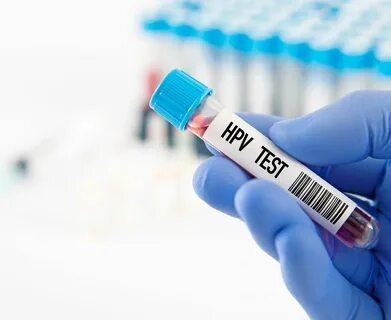
Human papillomavirus (HPV) is one of the most common sexually transmitted infections worldwide, and certain high-risk strains are strongly linked to cervical and other cancers. Many people wonder whether HPV testing can serve as an early warning system for cancer, especially before symptoms appear. Understanding how HPV Test in Dubai works, its limitations, and its role in preventive healthcare can help individuals make informed decisions about their health.
Understanding HPV and Cancer Risk:
HPV consists of over 200 different virus types, some of which are low-risk and mainly cause genital warts, while others are high-risk and can lead to cancer. Persistent infection with high-risk HPV types, particularly HPV-16 and HPV-18, can cause cellular changes in the cervix, anus, or throat. These changes may progress to precancerous lesions and, if left undetected, can develop into invasive cancer. Knowing your HPV status can help identify risk early, even before abnormal cells or tumors appear.
How HPV Testing Works?
HPV testing involves analyzing cells from the cervix, anus, or other relevant tissues for the presence of high-risk HPV DNA. Unlike traditional Pap smears, which detect abnormal cell changes, HPV tests detect the virus itself. A positive HPV test indicates the presence of a high-risk strain but does not automatically mean cancer is present. Regular testing helps monitor infections over time, allowing healthcare providers to intervene before cellular abnormalities progress.
HPV Testing vs. Cancer Screening:
While HPV tests are a valuable tool for identifying infection with high-risk strains, they are not a diagnostic test for cancer. They function as a screening method to determine who is at increased risk and may benefit from further evaluation, such as a colposcopy or biopsy. Combining HPV testing with Pap smears increases the chances of detecting precancerous lesions early, making early intervention more effective and reducing the risk of developing invasive cancer.
Who Should Get an HPV Test?
HPV testing is primarily recommended for women, particularly those aged 25 to 65, as part of cervical cancer screening. Women over 30 may have the option of co-testing with both HPV and Pap smears. While there is no standard HPV test for men, certain high-risk groups, such as men who have sex with men or individuals with compromised immune systems, may benefit from specialized testing, like anal Pap tests, to monitor for HPV-related cellular changes.
The Role of Early Detection in Cancer Prevention:
Early detection is crucial in reducing the impact of HPV-related cancers. Persistent high-risk HPV infections can cause changes at the cellular level long before any symptoms develop. By identifying the virus early, healthcare providers can monitor patients more closely, perform follow-up tests, and remove precancerous lesions if necessary. This proactive approach significantly improves outcomes and lowers the likelihood of invasive cancer.
HPV Testing and Other Precautionary Measures:
While HPV testing is a powerful tool, it is only part of a comprehensive preventive strategy. Vaccination against HPV protects against the most dangerous high-risk strains and is recommended for both men and women. Safe sexual practices, including consistent condom use and limiting the number of sexual partners, also reduce the likelihood of contracting or spreading HPV. Regular medical checkups and awareness of potential symptoms, such as unusual bleeding, persistent sores, or abnormal growths, further enhance early detection efforts.
Common Misconceptions About HPV Testing:
Many people mistakenly believe that a negative HPV Test guarantees they will never develop cancer. In reality, a negative test indicates that high-risk HPV strains were not detected at the time of testing. HPV infections can occur later, so routine follow-up and screening remain essential. Another common misconception is that HPV testing can replace all forms of cancer screening. In truth, combining HPV testing with Pap smears or other diagnostic procedures provides the most accurate early detection.
Future Developments in HPV Screening:
Research continues to improve HPV testing methods, aiming to make screening more accessible and effective for both women and men. Advances in molecular testing and self-sampling kits may allow earlier detection of high-risk infections and expand screening to populations that currently have limited access. These developments could revolutionize preventive care and further reduce the burden of HPV-related cancers worldwide.
Conclusion: Can HPV Tests Detect Cancer Early?
HPV tests are a critical tool for early detection of infections that can lead to cancer, particularly cervical cancer. While they do not directly diagnose cancer, they identify high-risk strains that require close monitoring. When combined with Pap smears, vaccination, and regular medical follow-up, HPV testing plays a central role in preventing the progression of precancerous lesions and protecting long-term health. Staying informed and proactive about HPV screening empowers individuals to take control of their cancer risk and make timely health decisions.

 English
 Arabic
 French
 Spanish
 Portuguese
 Deutsch
 Turkish
 Dutch
Dutch
 Russian
 Romaian
 Portuguese (Brazil)
 Greek
Greek