


Trekking in Ladakh: A Complete Adventure Guide
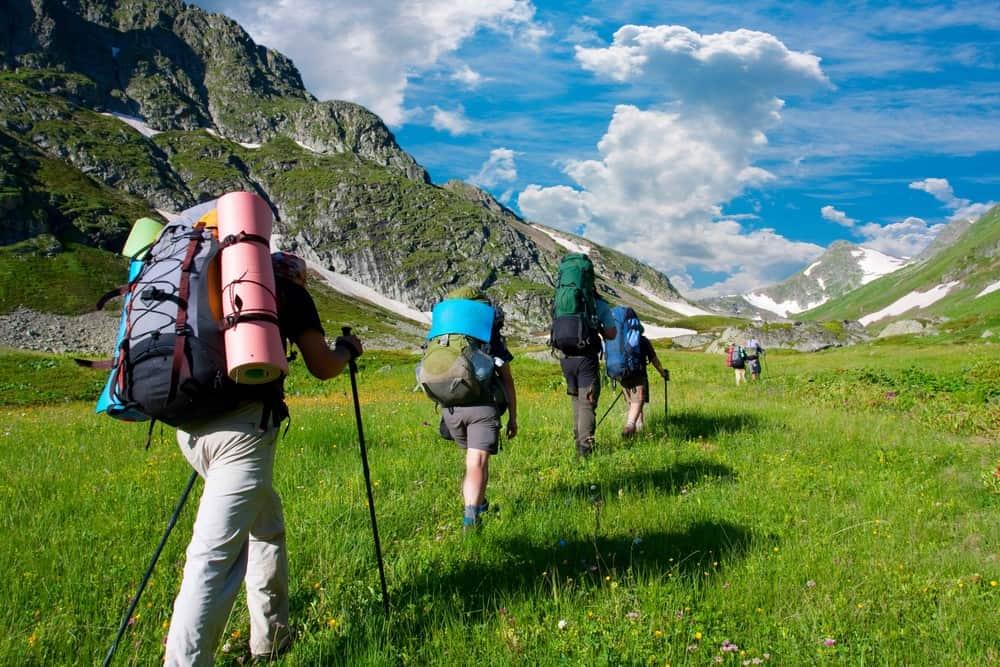
Ladakh, often called the “Land of High Passes,” is one of India’s most spectacular regions for trekking. With its barren mountains, turquoise lakes, ancient monasteries, and remote villages, trekking in Ladakh is a once-in-a-lifetime experience for adventurers, nature lovers, and cultural explorers. Nestled between the Karakoram and Himalayan ranges, Ladakh offers a unique blend of rugged landscapes, Buddhist culture, and high-altitude adventure.
This guide explores the best trekking routes in Ladakh, types of treks, cultural highlights, travel tips, and sample itineraries to help you plan an unforgettable journey.
1. Why Choose Trekking in Ladakh?
-
High-Altitude Adventure: Most treks in Ladakh are above 3,000 meters, offering thrilling challenges.
-
Unique Landscapes: Desert mountains, glacial rivers, alpine meadows, and pristine lakes.
-
Cultural Immersion: Trails pass through Buddhist monasteries, stupas, and traditional villages.
-
Wildlife Encounters: Home to snow leopards, ibex, marmots, and migratory birds.
-
Spiritual Connection: Many treks lead to sacred sites, combining adventure with spirituality.
2. Famous Treks in Ladakh
Markha Valley Trek
-
Highlights: One of the most popular treks in Ladakh.
-
Attractions: Villages, monasteries, and views of Kang Yatse peak.
-
Difficulty: Moderate.
-
Best Season: June–September.
Chadar Trek (Frozen Zanskar River)
-
Highlights: A winter trek on the frozen Zanskar River.
-
Attractions: Ice formations, caves, and unique landscapes.
-
Difficulty: Challenging, requires endurance.
-
Best Season: January–February.
Stok Kangri Trek
-
Highlights: Summit trek to Stok Kangri peak (6,153 m).
-
Attractions: Panoramic views of the Himalayas and Karakoram.
-
Difficulty: Difficult, requires acclimatization.
-
Best Season: July–September.
Sham Valley Trek
-
Highlights: Known as the “Baby Trek,” suitable for beginners.
-
Attractions: Villages, monasteries, and orchards.
-
Difficulty: Easy.
-
Best Season: May–October.
Snow Leopard Trek (Hemis National Park)
-
Highlights: Wildlife trek to spot the elusive snow leopard.
-
Attractions: Hemis National Park, rare wildlife, and rugged terrain.
-
Difficulty: Moderate.
-
Best Season: November–March.
Lamayuru to Alchi Trek
-
Highlights: Cultural trek connecting two ancient monasteries.
-
Attractions: Monasteries, villages, and scenic landscapes.
-
Difficulty: Moderate.
-
Best Season: June–September.
Nubra Valley Trek
-
Highlights: Trek through the famous Nubra Valley.
-
Attractions: Sand dunes, monasteries, and views of Karakoram.
-
Difficulty: Moderate.
-
Best Season: June–September.
Rupshu Valley Trek
-
Highlights: Remote trek in the Changthang region.
-
Attractions: Nomadic camps, lakes, and wildlife.
-
Difficulty: Challenging.
-
Best Season: July–September.
Tso Moriri Lake Trek
-
Highlights: Trek to the pristine Tso Moriri Lake.
-
Attractions: High-altitude lake, migratory birds, and nomadic settlements.
-
Difficulty: Moderate to challenging.
-
Best Season: June–September.
3. Types of Trekking in Ladakh
High-Altitude Treks
-
For experienced trekkers seeking adventure.
-
Examples: Stok Kangri, Rupshu Valley, Tso Moriri.
Winter Treks
-
Snow-covered landscapes and frozen rivers.
-
Examples: Chadar Trek, Snow Leopard Trek.
Cultural Treks
-
Combine adventure with monastery visits and village stays.
-
Examples: Lamayuru to Alchi, Sham Valley.
Wildlife Treks
-
Focus on spotting rare Himalayan species.
-
Examples: Snow Leopard Trek, Hemis National Park trails.
Beginner-Friendly Treks
-
Shorter, easier treks for families and first-timers.
-
Examples: Sham Valley, Nubra Valley.
4. Cultural Highlights During Trekking in Ladakh
-
Monasteries: Hemis, Lamayuru, Thiksey, and Alchi monasteries enrich the journey.
-
Festivals: Hemis Festival, Losar (Tibetan New Year), and Cham dance festivals.
-
Cuisine: Momos, thukpa, butter tea, and barley-based dishes.
-
Handicrafts: Woolens, thangkas, and traditional jewelry available in local markets.
5. Best Time for Trekking in Ladakh
-
Summer (June – September): Ideal for most treks, with clear skies and accessible trails.
-
Winter (November – March): Best for Chadar Trek and Snow Leopard Trek.
-
Spring (April – May): Limited treks, but landscapes begin to bloom.
-
Autumn (September – October): Clear skies, fewer crowds, and stunning views.
6. Travel Tips
-
Book permits in advance for restricted areas like Nubra Valley and Tso Moriri.
-
Carry warm clothes, especially for high-altitude treks.
-
Stay hydrated and acclimatize properly to avoid altitude sickness.
-
Respect local traditions at monasteries and cultural sites.
-
Choose treks that match your fitness level.
7. Suggested 7-Day Trekking Itinerary (Example: Markha Valley Trek)
Day 1: Arrival in Leh – Orientation and acclimatization.
Day 2: Drive to Spituk – Trek to Zingchen campsite.
Day 3: Trek to Ganda La base – Meadows and rivers.
Day 4: Cross Ganda La Pass – Camp at Skiu village.
Day 5: Trek to Markha village – Explore monasteries and culture.
Day 6: Trek to Hankar – Scenic landscapes and wildlife.
Day 7: Trek to Nimaling – Return to Leh.
8. Economic Importance of Trekking in Ladakh
-
Employment: Guides, porters, artisans, and hospitality workers benefit.
-
Local Businesses: Handicraft shops, restaurants, and cultural performers thrive.
-
Infrastructure Development: Roads, hotels, and facilities improve around trekking hubs.
-
Government Revenue: Permits, entry fees, and tourism services generate income.
9. Future of Trekking in Ladakh
-
Eco-Friendly Tourism: Promoting sustainable practices.
-
Digital Integration: Online booking, virtual tours, and mobile apps.
-
Luxury Expansion: More premium campsites and curated experiences.
-
Global Promotion: Positioning Ladakh as a world-class trekking destination.
-
Customized Packages: Tailoring itineraries for diverse travelers.
Conclusion
Trekking in Ladakh is more than just an adventure—it is a journey into the heart of nature, culture, and spirituality. From the icy trails of the Chadar Trek to the colorful meadows of Markha Valley, from sacred monasteries to thrilling expeditions, Ladakh offers treks that cater to every traveler’s dream.
For adventurers, trekking in Ladakh provides challenges and rewards. For communities, it brings economic growth and cultural exchange. For the nation, it strengthens India’s identity as a diverse and vibrant travel destination.
As Ladakh continues to embrace its natural beauty and cultural heritage, trekking will remain one of the most popular ways to explore this incredible Himalayan region.

 English
 Arabic
 French
 Spanish
 Portuguese
 Deutsch
 Turkish
 Dutch
Dutch
 Russian
 Romaian
 Portuguese (Brazil)
 Greek
Greek