


Recovery timelines after hair transplantation in Dammam
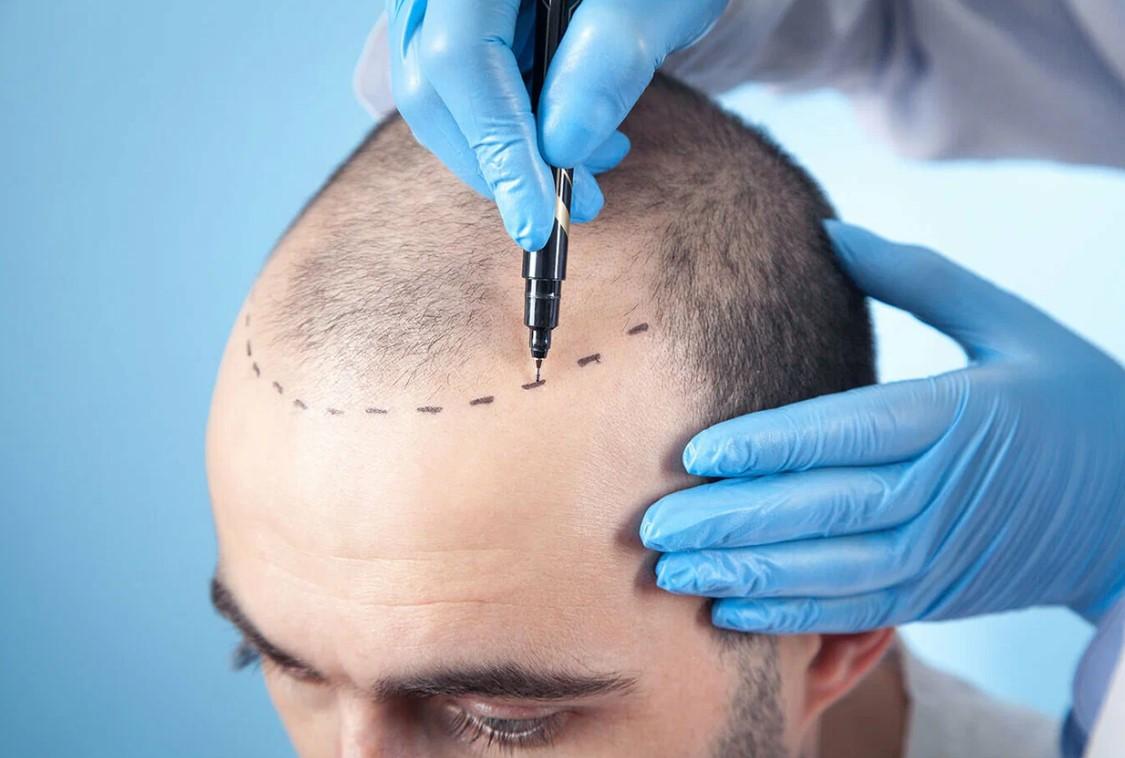
Hair transplantation is a widely performed procedure in Dammam for individuals experiencing hair thinning or baldness. While the surgical process itself is important, understanding the recovery timeline is crucial for achieving optimal results. Recovery after a hair transplant involves multiple phases, from immediate postoperative care to long-term hair growth, and varies depending on the technique used, individual healing capacity, and adherence to post-operative instructions. Hair transplantation in Dammam is a popular solution for men looking to restore hair density and improve their appearance.
1. Immediately After the Procedure (Day 0 to Day 1)
The first 24 hours following a hair transplant are critical for protecting the newly implanted hair follicles. During this period:
-
Patients may experience mild swelling in the forehead or around the eyes.
-
Tiny scabs may form around the transplanted follicles.
-
Mild soreness or discomfort at the donor site is common, especially for FUT procedures.
-
Patients are usually advised to rest and avoid touching or scratching the scalp.
Most clinics in Dammam provide pain management medication and detailed instructions on washing and protecting the scalp. Following these instructions carefully can prevent infection and reduce the risk of dislodging grafts.
2. Early Recovery (Days 2 to 7)
During the first week, the scalp begins its initial healing process:
-
Swelling typically peaks within 2 to 3 days and gradually subsides.
-
Redness and small scabs around transplanted follicles remain visible.
-
Some mild itching may occur as the skin heals.
-
Patients are advised to sleep with their head elevated to minimize swelling and avoid strenuous activities.
Gentle washing of the scalp, as instructed by the surgeon, is important to remove excess oils and prevent infection. It is normal for small scabs to loosen and fall off naturally during this period. Picking at the scabs can damage grafts and prolong healing.
3. Shedding Phase (Weeks 2 to 4)
One of the most common and sometimes alarming aspects of hair transplant recovery is the shedding phase:
-
Transplanted hairs may start to shed 2 to 4 weeks after surgery.
-
This shedding is temporary and expected, as the follicles enter a resting phase before new growth begins.
-
Donor site discomfort generally resolves during this period.
Shedding is a normal part of the hair growth cycle and should not be mistaken for a failed transplant. It is important for patients to remain patient and continue following the post-operative care plan.
4. Early Growth Phase (Months 1 to 3)
New hair growth typically begins around the end of the first month or during the second month post-surgery:
-
Initially, the new hairs are fine, soft, and light in color.
-
Density may appear sparse, as only a portion of the follicles begin active growth at this stage.
-
Scalp sensitivity and redness gradually disappear, and most patients feel comfortable resuming regular activities.
During this phase, maintaining a healthy scalp environment is essential. Gentle shampooing, avoiding harsh chemicals, and protecting the scalp from sun exposure support optimal follicle recovery and growth.
5. Significant Growth Phase (Months 4 to 6)
By the fourth month, patients usually notice a marked improvement in hair density:
-
Transplanted hairs grow thicker and longer, gradually blending with existing hair.
-
Hair texture becomes more natural, and styling becomes easier.
-
Some shedding may continue intermittently, but growth generally outweighs hair loss at this stage.
This period requires continued patience, as full density is not yet achieved. Many patients begin to feel satisfied with visible results and gain confidence as the hairline matures.
6. Maturation Phase (Months 7 to 12)
The majority of hair growth occurs between the seventh and twelfth months:
-
Hair thickness, density, and natural patterning improve significantly.
-
Any residual redness or minor scarring at donor or recipient sites fades almost completely.
-
Patients often achieve 80–90% of the final result by the end of this phase.
During this time, it is important to maintain a healthy lifestyle, avoid excessive sun exposure, and follow any maintenance instructions provided by the surgeon. Nutritional support, proper hair care, and avoiding smoking can enhance results.
7. Full Results (12 Months and Beyond)
By the end of the first year, most patients experience the full effect of their hair transplant:
-
Hair appears fully natural in density, growth direction, and texture.
-
Donor area scars from FUE are usually faint dots, while FUT scars fade but may remain visible under very short hairstyles.
-
Long-term hair growth is stable, with transplanted follicles generally resistant to future hair loss.
Some patients may experience minor changes in hair growth or require touch-up procedures to address areas of lower density. Regular follow-up appointments in Dammam help surgeons monitor progress and provide guidance on maintenance or additional treatments if necessary.
8. Factors Affecting Recovery Timelines
Recovery timelines can vary depending on multiple factors:
-
Technique used: FUE typically allows faster healing than FUT due to minimal scarring.
-
Individual health: Age, nutrition, and overall health influence healing speed.
-
Compliance: Adhering strictly to post-operative care instructions accelerates recovery.
-
Lifestyle: Smoking, alcohol consumption, and sun exposure can delay healing.
Understanding these factors helps patients manage expectations and plan their schedules around the recovery period.
Conclusion
Recovery after a hair transplant in Dammam is a gradual process that unfolds over several months. Immediate healing occurs in the first week, followed by a shedding phase and gradual regrowth. Significant improvements are visible between four and six months, with full results typically realized by 12 months.
Patience, careful adherence to post-operative care, and regular follow-ups with your surgeon are essential for maximizing the success of a hair transplant. By understanding the timeline and what to expect during each stage, patients can achieve natural, lasting results and regain confidence in their appearance.

 English
 Arabic
 French
 Spanish
 Portuguese
 Deutsch
 Turkish
 Dutch
Dutch
 Italiano
 Russian
 Portuguese (Brazil)
 Greek
Greek