


Recovery Timeline After Rhinoplasty in Riyadh
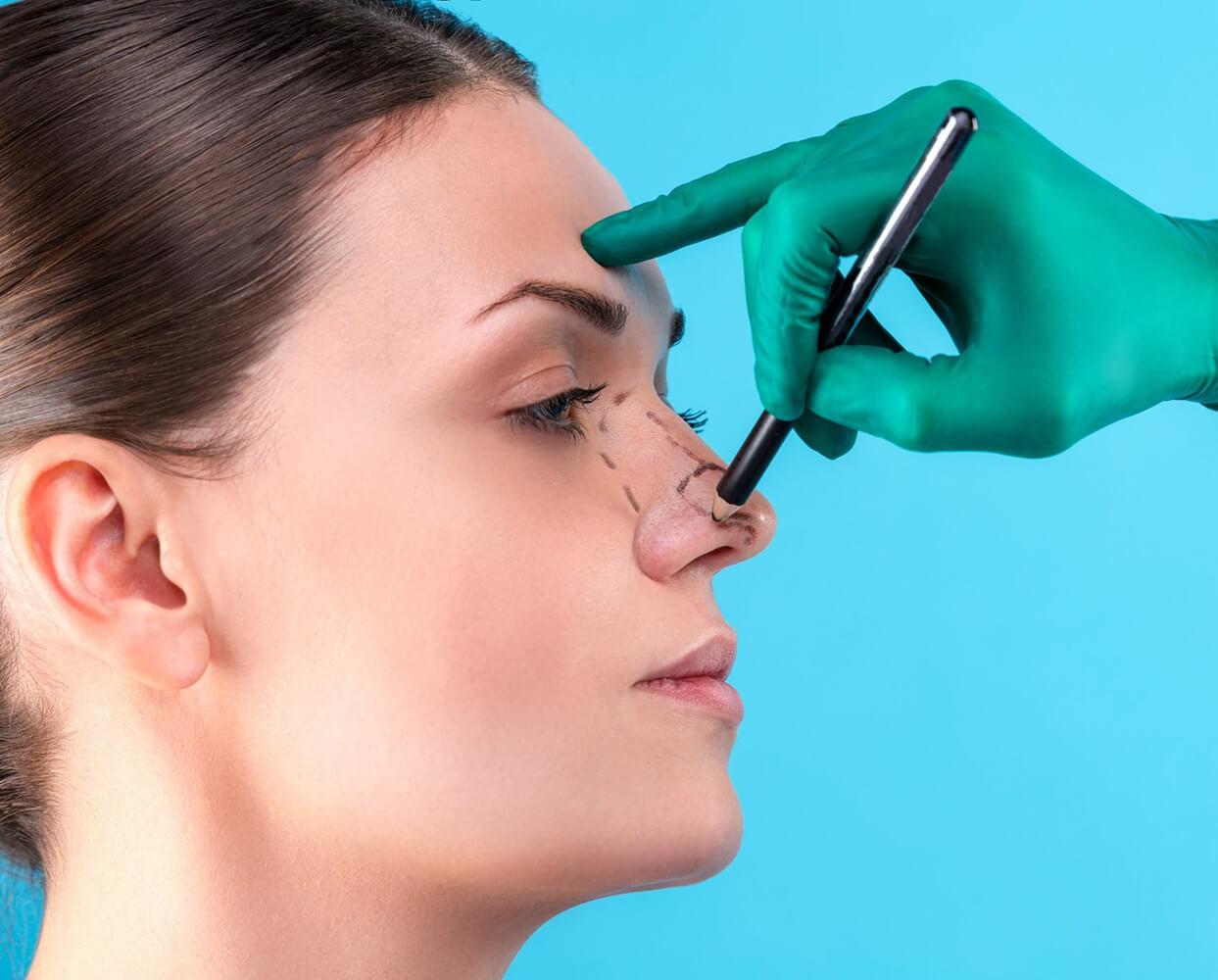
Rhinoplasty, commonly known as a nose job, is one of the most sought-after cosmetic procedures in Riyadh. Whether performed for aesthetic enhancement or functional improvement, understanding the recovery timeline is crucial for achieving optimal results and ensuring patient safety. Recovery after rhinoplasty involves multiple stages, including initial healing, reduction of swelling, and gradual refinement of nasal contours. Rhinoplasty in Riyadh has become increasingly popular among individuals seeking both aesthetic enhancement and functional improvements for their noses.
Immediate Post-Operative Period (First 24–48 Hours)
The first day or two after rhinoplasty are typically the most delicate. Most patients experience:
-
Swelling and bruising: Particularly around the eyes and upper cheeks.
-
Mild discomfort or pain: Usually manageable with prescribed pain medication.
-
Nasal congestion: Due to internal swelling or splints used during surgery.
In Riyadh, surgeons often provide patients with detailed instructions, including:
-
Keeping the head elevated while resting or sleeping.
-
Applying cold compresses to reduce swelling and bruising.
-
Avoiding bending or heavy lifting to prevent increased blood pressure in the nose.
During this period, patients are generally advised to avoid strenuous activities, alcohol, and smoking, as these can hinder the healing process.
First Week Post-Surgery
The first week after rhinoplasty is critical for the initial healing of both internal and external nasal structures. Key points include:
-
Splint or cast removal: Many surgeons in Riyadh use an external nasal splint, typically removed after 5–7 days.
-
Sutures: Internal sutures are often dissolvable, but any external stitches may be removed during the first week.
-
Swelling and bruising peak: Most patients notice maximum swelling around days 2–3, which gradually starts to subside.
-
Activity restrictions: Avoid any activity that risks nasal trauma. This includes sports, crowded gatherings, or even wearing glasses that rest on the nose.
Most patients can resume light daily activities after the first week, though they should continue to avoid physical strain.
Weeks 2–3 Post-Rhinoplasty
During the second and third weeks, the nose begins to settle into its new shape, and visible bruising typically fades.
-
Swelling: Noticeable swelling remains but is significantly reduced compared to the first week.
-
Nasal breathing: Congestion gradually improves as internal swelling subsides.
-
Return to work or school: Many patients in Riyadh feel comfortable returning to professional or social routines after two weeks, provided they avoid strenuous activity.
-
Sun protection: It is important to avoid direct sun exposure to prevent hyperpigmentation of healing skin.
During this period, patients may notice minor asymmetries due to residual swelling. These usually resolve gradually over the coming months.
One to Three Months Post-Surgery
From the first to the third month, the nose continues its refinement phase:
-
Residual swelling: While most external swelling has reduced, subtle swelling can persist in the tip or bridge.
-
Nasal tip definition: The nasal tip often takes longer to settle than the bridge due to cartilage and soft tissue healing.
-
Improved breathing: Functional rhinoplasty patients often notice improved airflow as tissues heal.
-
Moderate activity: Light exercise is generally allowed, but contact sports or activities risking nasal injury should still be avoided.
At this stage, the nose begins to look closer to its final appearance, but subtle changes continue over time.
Three to Six Months Post-Rhinoplasty
Between three and six months after surgery, most patients experience significant resolution of swelling, particularly around the nasal tip:
-
Tip refinement: Swelling in the tip and lower bridge continues to subside, revealing more precise contours.
-
Overall shape stabilization: By the six-month mark, most patients can see a significant improvement in the aesthetic outcome.
-
Return to physical activities: Light contact sports may be resumed with caution, following surgeon guidance.
During this stage, Riyadh surgeons may conduct follow-up assessments to ensure proper healing and address any minor concerns.
Six Months to One Year Post-Surgery
The final recovery phase typically extends up to 12 months, especially for the nasal tip and soft tissue:
-
Complete swelling resolution: While most swelling resolves within six months, subtle residual swelling in the tip can persist for up to a year.
-
Final nasal shape: By the one-year mark, the nose reaches its ultimate form, displaying the intended aesthetic improvements.
-
Long-term results: Any minor asymmetries or irregularities generally stabilize, and results become permanent.
Surgeons in Riyadh emphasize regular follow-ups during this period to ensure optimal healing and to detect rare complications early.
Factors Influencing Recovery
Several factors can affect the rhinoplasty recovery timeline:
-
Surgical technique: Open rhinoplasty may involve longer initial swelling than closed procedures.
-
Extent of surgery: More extensive reshaping, grafting, or septum correction can increase recovery time.
-
Patient age and skin type: Younger patients tend to heal faster, while thicker skin may take longer to refine.
-
Compliance with post-operative care: Following all surgeon instructions significantly impacts recovery.
Tips for Faster Recovery in Riyadh
-
Maintain an elevated sleeping position for the first week.
-
Avoid blowing your nose for at least two weeks.
-
Follow all prescribed medications, including antibiotics and anti-inflammatories.
-
Protect the nose from accidental bumps or pressure.
-
Attend all scheduled follow-up appointments for assessment and guidance.
Conclusion
Recovery after rhinoplasty in Riyadh is a gradual process that typically spans 12 months. While the initial healing occurs within the first few weeks, subtle refinements and tip definition continue for several months. Understanding this timeline helps patients set realistic expectations, adhere to post-operative care instructions, and achieve the best possible results.

 English
 Arabic
 French
 Spanish
 Portuguese
 Deutsch
 Dutch
Dutch
 Italiano
 Russian
 Romaian
 Portuguese (Brazil)
 Greek
Greek