


When Does Bathroom Water Damage Require Immediate Water Damage Restoration in McLean, VA?
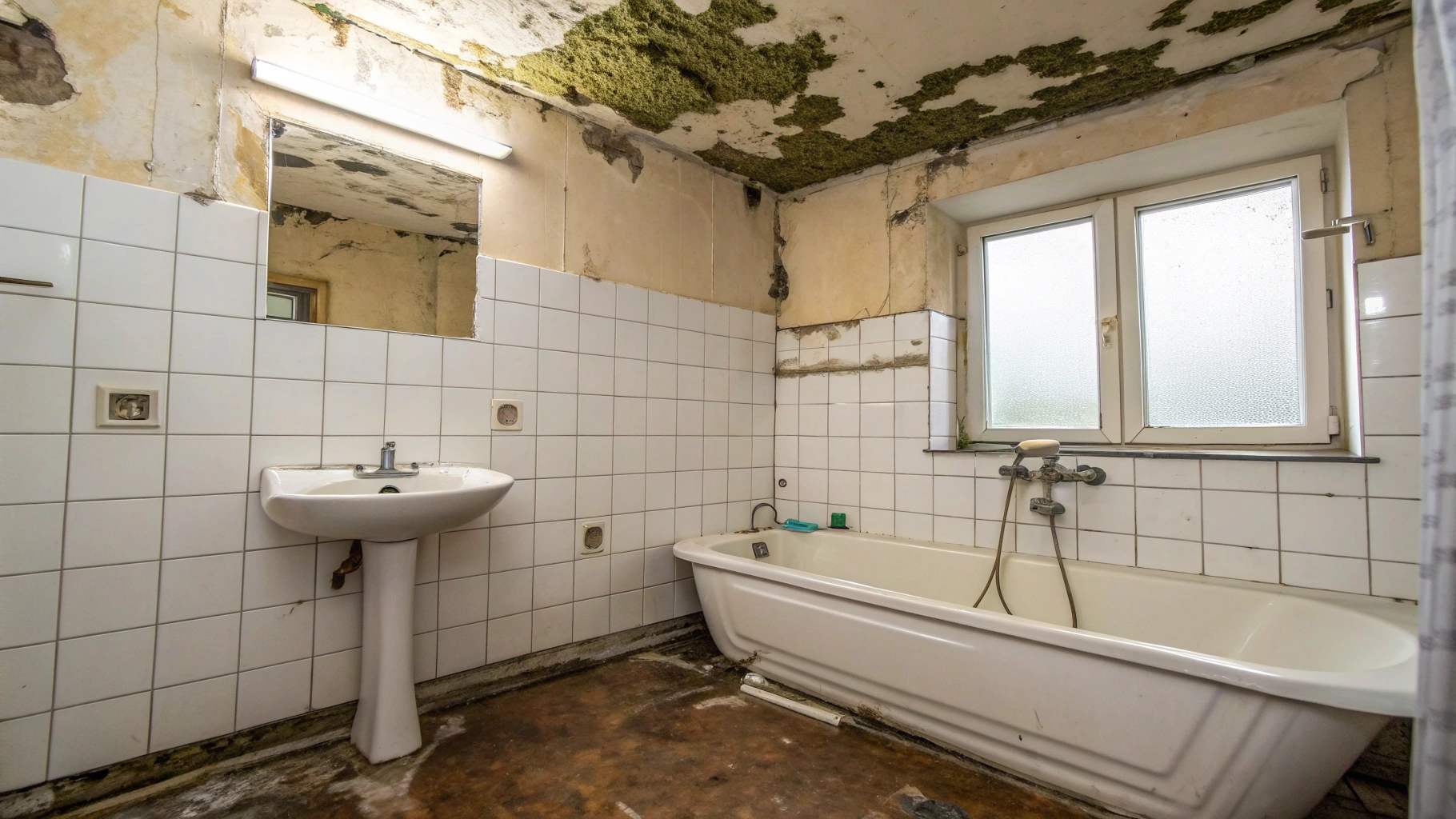
Bathroom water issues can start small but escalate quickly into costly damage. A minor leak under the sink or water pooling near the shower may not seem urgent at first, yet moisture spreads fast in enclosed spaces. Bathrooms also contain plumbing lines, grout, and flooring materials that absorb water easily, creating hidden damage before it becomes obvious. This article explains when bathroom water damage becomes an emergency, how restoration professionals respond, and why acting quickly matters for homes in McLean.
-
Most homeowners notice bathroom water problems during routine moments, a damp smell, a soft spot in the floor, or water stains near fixtures. Because bathrooms are designed for water use, it is easy to assume the damage will dry on its own. Unfortunately, moisture trapped behind tiles, under flooring, or inside walls continues to spread. Understanding when immediate restoration is necessary helps prevent long-term repairs and health risks. Knowing the warning signs early can make the difference between a simple fix and major reconstruction.
Bathroom water damage: When it Becomes an Urgent Problem
Bathrooms are one of the most common areas for household water damage because they combine constant moisture with multiple plumbing connections. In cases of bathroom water damage, immediate action is often required when water has moved beyond the surface and into structural or hidden areas.
Water can seep under tile, soak into drywall, and weaken subflooring within hours. Even small leaks can cause significant damage if they continue unnoticed. Immediate restoration is necessary when the source is active or when moisture has been present long enough to compromise materials.
How Fast Water Spreads in Bathroom Spaces
Bathrooms are compact, but water travels quickly through gaps and porous materials. Moisture often moves into areas that cannot be seen without professional equipment.
Common pathways include:
-
Under tile and grout lines
-
Behind shower walls
-
Beneath vanities and cabinets
-
Into drywall near plumbing fixtures
-
Through flooring seams into adjacent rooms
Because bathrooms contain limited ventilation, trapped moisture dries slowly and increases the risk of further damage.
Signs That Restoration Should Not Be Delayed
Some water issues can be handled with basic drying, but others require professional restoration immediately. Recognizing the difference is essential.
Urgent signs include:
-
Standing water that remains after cleanup
-
Warped flooring or soft spots underfoot
-
Bubbling paint or peeling wall surfaces
-
Persistent musty odors
-
Water stains spreading beyond one area
These indicators suggest that water has penetrated deeper materials, making professional drying and mitigation necessary.
How Plumbing Failures Create Immediate Emergencies
Bathroom plumbing failures often release water quickly, creating high-risk situations. Burst pipes, overflowing toilets, or broken supply lines can cause rapid saturation.
Emergency situations often involve:
-
Toilet backups with contaminated water
-
Sudden pipe bursts behind walls
-
Overflowing bathtubs or sinks
-
Leaks affecting electrical fixtures nearby
-
Water spreading into lower levels of the home
In these cases, immediate restoration reduces structural damage and prevents secondary issues.
How Mold Risk Develops After Bathroom Water Damage
Bathrooms already contain humidity, which makes them especially vulnerable to mold growth after water damage. Mold can begin developing within a short period when moisture is trapped.
Conditions that increase mold risk include:
-
Water behind tile walls
-
Damp drywall near showers
-
Wet insulation inside bathroom walls
-
Poor ventilation after flooding
-
Delayed drying beyond 24 to 48 hours
Professional restoration teams use drying systems and monitoring tools to prevent mold from becoming a larger problem.
How Professionals Assess Hidden Moisture
Water damage is often more extensive than what is visible. Restoration professionals use specialized equipment to locate moisture inside walls and floors.
Assessment methods may include:
-
Moisture meters for drywall and flooring
-
Thermal imaging to detect water pockets
-
Humidity monitoring in enclosed areas
-
Inspection of subfloor and framing
These tools help determine the full extent of damage and guide the drying process effectively.
What Immediate Restoration Typically Involves
Restoration is more than removing water. It includes drying, sanitizing, and preventing further deterioration.
Immediate restoration steps often include:
-
Water extraction and removal
-
Industrial drying and dehumidification
-
Cleaning and disinfection of affected surfaces
-
Removal of damaged materials when necessary
-
Ongoing monitoring until dryness is confirmed
Fast intervention reduces repair costs and shortens recovery timelines.
Why Bathroom Water Damage Is Especially Serious in Multi-Level Homes
In homes with multiple floors, bathroom leaks can affect rooms below. Water traveling downward can damage ceilings, insulation, and electrical systems.
Risks include:
-
Ceiling collapse from saturation
-
Damage spreading into living spaces
-
Electrical hazards near lighting fixtures
-
Higher restoration complexity and cost
Immediate action prevents water from expanding into additional areas of the home.
Conclusion
Bathroom water issues should never be underestimated, especially when moisture reaches hidden structural areas. Quick response helps prevent mold growth, flooring damage, and costly repairs that escalate over time. When signs of deeper saturation appear, professional help becomes essential. Acting early ensures that water damage restoration Mclean VA services can address the problem before it turns into a larger disruption for the home and family.
FAQs
Q1: How quickly should bathroom water damage be addressed?
A: Water damage should be addressed immediately, especially if moisture has spread beyond the surface or the source is still active.
Q2: Can small bathroom leaks cause major damage?
A: Yes, even slow leaks can soak into floors and walls over time, leading to structural damage and mold risk.
Q3: What should homeowners do first after noticing water damage?
A: Stop the water source if possible, avoid using electrical fixtures nearby, and contact restoration professionals for assessment and drying.

 English
 Arabic
 French
 Spanish
 Portuguese
 Deutsch
 Turkish
 Italiano
 Russian
 Romaian
 Portuguese (Brazil)
 Greek
Greek