


Application of Multi-Cavitiy Cutlery Mould
Multi-cavity cutlery moulds are widely adopted in injection molding operations where productivity and unit cost control are paramount. By integrating multiple identical cavities within a single mould base, manufacturers can produce numerous spoons, forks, or knives per cycle. This configuration significantly increases output without proportionally increasing machine runtime, labor, or energy expenditure.
From a process engineering standpoint, balanced runner systems and uniform cavity filling are critical to maintaining dimensional consistency across all parts. Advanced flow simulation tools are often applied during design to ensure equal melt distribution, reducing short shots or warpage. For users concerned with return on investment, multi-cavity tooling offers improved machine utilization and reduced cost per component, especially in large-volume consumer goods manufacturing.
Quality and Material Performance
Maintaining Consistency Across Cavities
Users frequently prioritize surface finish, mechanical durability, and material efficiency. Multi-cavity moulds are typically machined with high-precision tooling steel and incorporate polished cavity surfaces to achieve clean edges and smooth textures on finished cutlery. Proper temperature control channels further ensure stable solidification and minimize defects such as sink marks or internal stress.
Material selection also plays a major role. Polypropylene and polystyrene are common due to their flow characteristics and recyclability. When mould design integrates optimized gating and venting, material waste is reduced, and cycle stability improves. For operators, this translates into fewer rejected parts and predictable quality outcomes over extended production runs.
Industry Applications and Operational Considerations
Integration into Food Service Supply Chains
The application of multi-cavity cutlery moulds spans disposable utensil production for hospitality, airline catering, institutional dining, and retail packaging. Their ability to support continuous, high-speed molding aligns well with just-in-time manufacturing models and fluctuating demand cycles.
However, users must also consider maintenance logistics and tooling lifecycle. Regular inspection of cavity wear, alignment, and cooling channel integrity prevents downtime and preserves dimensional accuracy. Proper preventive maintenance strategies extend mould longevity and sustain consistent output.
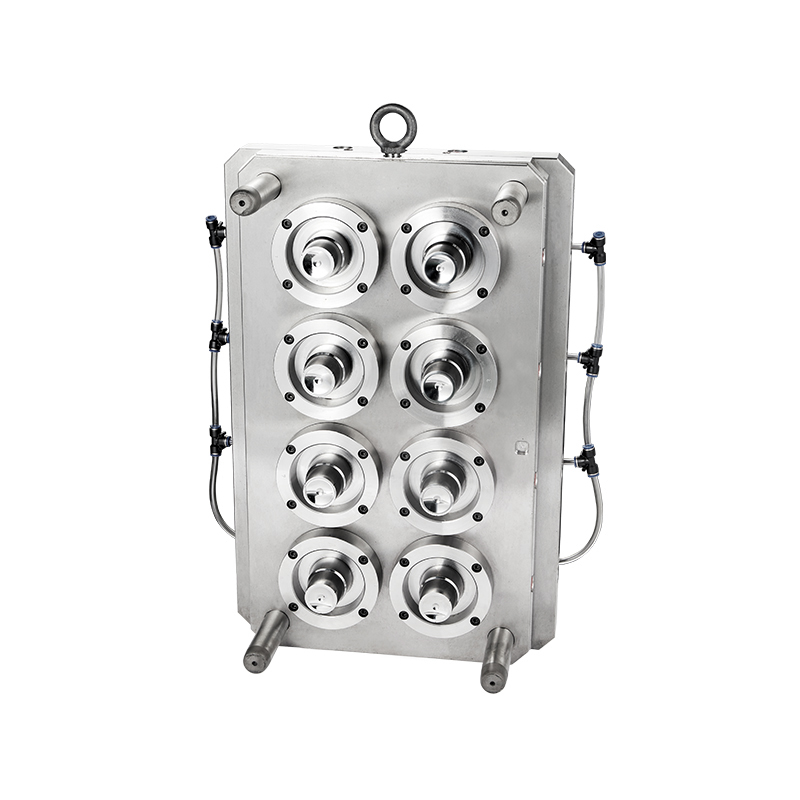
https://www.turnkeymould.com/product/thin-wall-mould/tq113-plastic-thin-space-cup-mould.html
The Plastic Thin Space Cup Mould represents an innovation in the manufacturing of thin-walled plastic cups. This mould is engineered to meet the high demands of precision and efficiency required in producing lightweight yet durable plastic cups suitable for various applications.

 Arabic
 French
 Spanish
 Portuguese
 Deutsch
 Turkish
 Dutch
Dutch
 Italiano
 Russian
 Romaian
 Portuguese (Brazil)
 Greek
Greek