


Advantages of Spliced Doors Over Traditional Designs
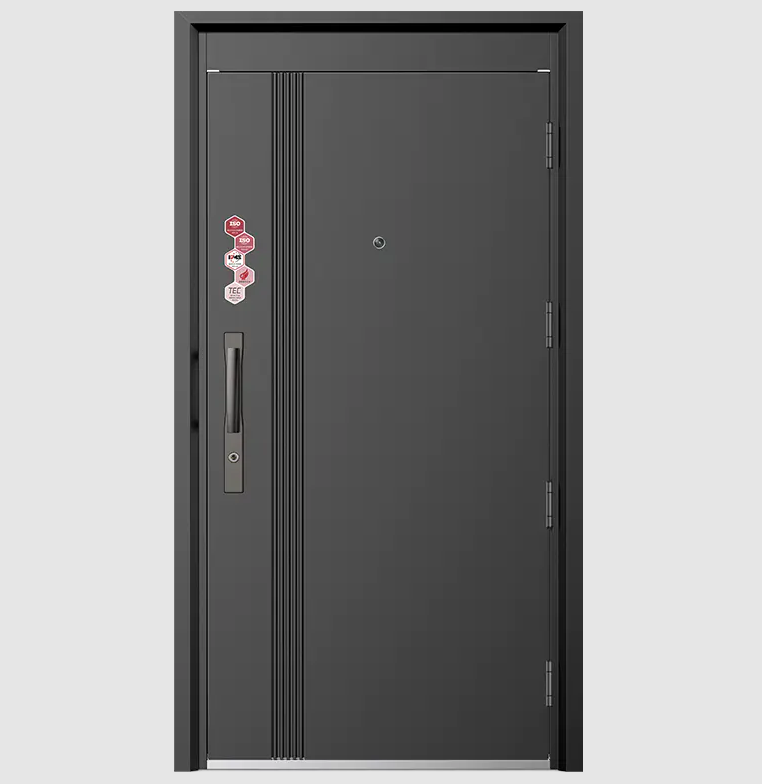
Introduction to Spliced Doors
Spliced Door technology represents a modern approach to wooden door construction, offering a unique combination of strength, flexibility, and aesthetic appeal. Unlike traditional solid wood doors, which are crafted from single pieces of timber, spliced doors are constructed by joining multiple wood sections together. This design not only allows for more creative patterns and textures but also addresses many of the limitations associated with conventional wood doors. By understanding the differences between spliced doors and traditional doors, homeowners and designers can make more informed choices for both residential and commercial spaces.
Construction and Materials
The most noticeable distinction between spliced doors and traditional wooden doors lies in their construction. Traditional doors are typically made from solid wood planks, which are cut and joined to form a single rigid panel. This method relies on the inherent strength of large wood pieces and requires high-quality timber to prevent warping or cracking. In contrast, spliced doors use smaller wood segments that are carefully joined using specialized adhesives or mechanical fasteners. This approach not only makes better use of available wood resources but also allows manufacturers to combine different wood types, colors, or grains to create a visually appealing and structurally stable door.
Durability and Stability
Spliced doors often outperform traditional solid wood doors in terms of durability and stability. Solid wood doors can be prone to expansion, contraction, and warping due to changes in humidity or temperature. The segmented design of spliced doors helps mitigate these issues, as the smaller sections absorb stress more evenly and reduce the likelihood of cracks forming. Additionally, the adhesives and joinery techniques used in spliced door construction provide extra reinforcement, ensuring long-term stability. This makes spliced doors particularly suitable for climates with significant seasonal changes or for buildings where consistent door performance is crucial.
Design Flexibility and Aesthetics
Another major difference lies in design flexibility. Traditional wooden doors generally feature limited patterns, relying on carving or staining to achieve visual interest. Spliced doors, however, allow for intricate geometric designs, varied wood tones, and unique textures that would be difficult or expensive to achieve with a single piece of wood. This flexibility enables architects and interior designers to create doors that complement modern interior styles while maintaining the warmth and elegance of natural wood. The ability to mix different wood species also allows for customized finishes and color contrasts, making each spliced door potentially one-of-a-kind.
Cost and Sustainability
Spliced doors can also offer advantages in terms of cost and environmental impact. Because they use smaller wood sections, spliced doors reduce waste from large timber cutting and allow the use of faster-growing, sustainably sourced wood. This makes them generally more affordable than high-quality solid wood doors while still delivering excellent durability and visual appeal. By optimizing material usage, spliced door manufacturing aligns better with sustainable building practices, helping to reduce the environmental footprint of construction projects.
Spliced doors differ from traditional wooden doors in construction, durability, design possibilities, and sustainability. Their segmented structure enhances stability and resistance to warping, while offering greater aesthetic flexibility and customization options. By choosing spliced doors over conventional wood doors, homeowners and designers can achieve a combination of strength, beauty, and environmental responsibility that traditional solid wood doors may not provide. Understanding these differences allows for informed decisions that balance performance, cost, and style in modern architectural design.
Dimensions: H1880~2450W780~1080
Material: frame 2.0, fan 1.0
Hinge: hinge hinge
Door frame: 90-dimensional header frame 105-Pro
Bottom Gear: chevron 201 stainless steel double bottom frame 0.7
Material: Frame [Cold Rolled] Fan [Cold Rolled]
Lock: 59A#

 English
 Arabic
 French
 Spanish
 Portuguese
 Deutsch
 Turkish
 Dutch
Dutch
 Italiano
 Russian
 Romaian
 Greek
Greek