


A Calculated Risk: Deploying Water Against Electrical Fire
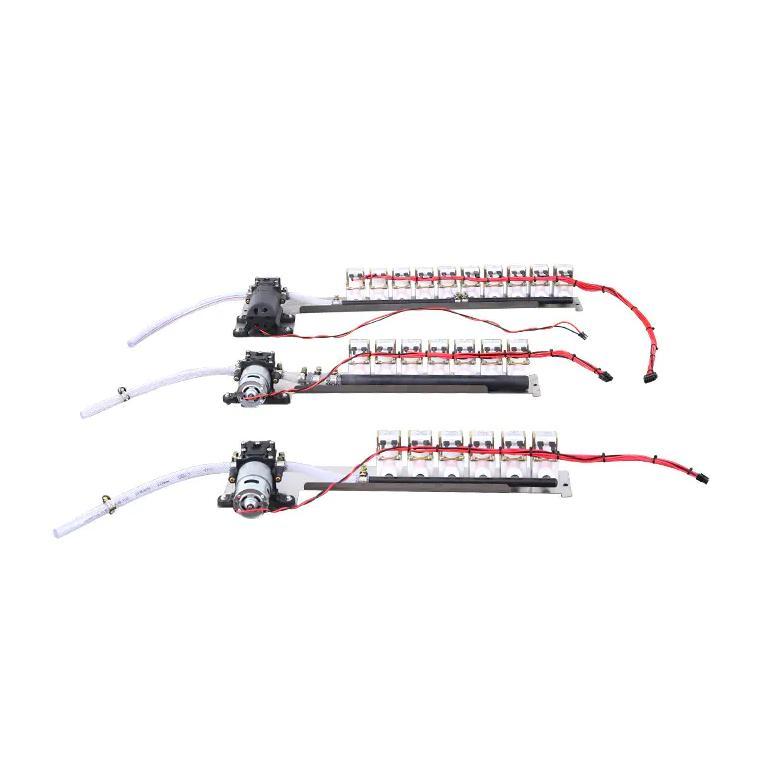
A Calculated Risk: Deploying Water Against Electrical Fire
The concept of the electricity exchange cabinet water fire fighting refers to a highly specialized and engineered approach to protecting critical electrical switchgear, control panels, and data cabinets from internal fire using precisely controlled water discharge. This strategy directly confronts the traditional axiom that "water and electricity don't mix" by leveraging modern technology to make their interaction safe and effective. The primary risk addressed is a Class C (energized electrical equipment) fire originating from components like overloaded conductors, arc faults, or failing insulation within a sealed enclosure. A conventional sprinkler deluge could cause catastrophic collateral damage and electrical system failure; a targeted cabinet-specific system aims for rapid, localized suppression to save both the cabinet's internal components and the broader facility's operational continuity.
The Technology Enabler: Fine Water Mist and Deionized Water
The viability of this approach rests on two technological pillars: fine water mist and the use of deionized or treated water. Modern systems do not deliver a solid stream or coarse spray. Instead, they generate a microdroplet mist with an average droplet size below 200 microns. This mist has an enormous aggregate surface area, which enables rapid heat absorption through evaporation, cooling the fire and displacing oxygen. Crucially, the fine droplets and the air they create form a barrier that is discontinuous enough not to create a conductive path for electricity at typical cabinet voltages, especially when combined with deionized water that has very low conductivity. This allows for discharge onto energized equipment, knocking down the fire almost instantaneously without causing widespread short circuits.
System Architecture: Detection, Control, and Precision Discharge
An integrated system functions as a self-contained fire protection unit for one or a bank of cabinets. It begins with linear heat detection cable or aspirating smoke detectors (VESDA) installed inside the cabinet, providing the earliest possible warning of overheating or smoldering. Upon confirmed detection, a control panel activates the system. The heart of the system is the discharge network: typically, a cylinder of nitrogen gas pressurizes a reservoir of deionized water, forcing it through a network of small-diameter, corrosion-resistant tubing to specialist misting nozzles strategically placed at the top of the cabinet. The entire discharge is completed within seconds, flooding the enclosure with fire-suppressing mist. Manual override and system isolation valves are always provided for safety.
Safety and Efficacy: Mitigating the Water-Electricity Hazard
Engineered safeguards are paramount. The system is designed for localized application only, with nozzles discharging solely inside the sealed cabinet, preventing water from reaching other live equipment. The use of deionized water is rigorously maintained, with periodic conductivity testing required. The rapid knockdown minimizes arc time and equipment damage far more effectively than waiting for a facility-wide sprinkler system to activate, which would cause vastly more water damage. Furthermore, these systems often include post-discharge ventilation control to clear the cabinet of residual moisture and corrosive byproducts from the fire.

 English
 Arabic
 French
 Spanish
 Portuguese
 Turkish
 Dutch
Dutch
 Italiano
 Russian
 Romaian
 Portuguese (Brazil)
 Greek
Greek