


Where Electrical Energy Becomes Rotational Force
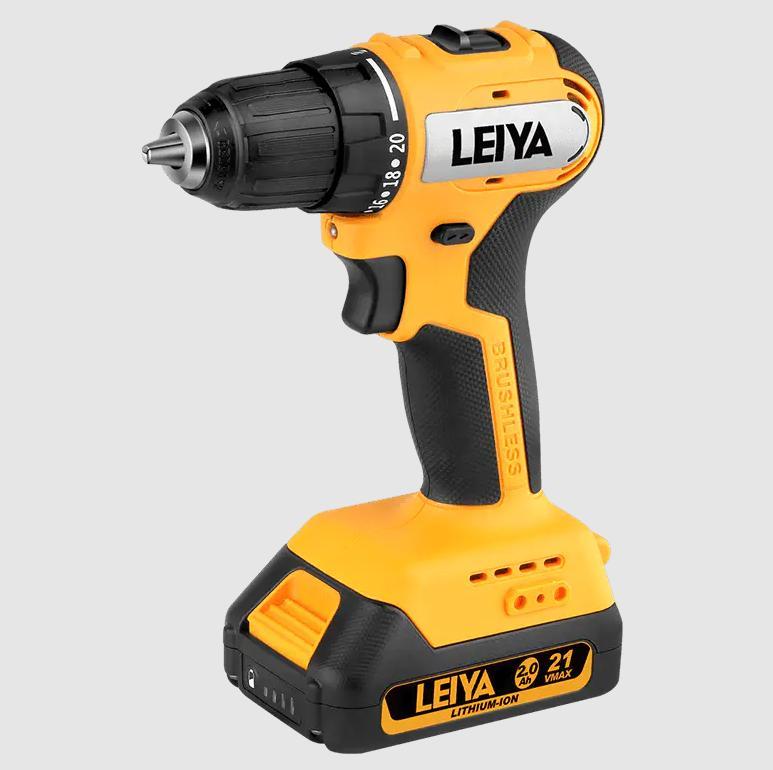
The Engine of Creation in Workshops Worldwide
A power drill factory is a highly specialized manufacturing hub dedicated to producing one of the most fundamental and versatile tools in construction, manufacturing, and DIY. This facility is where the abstract concept of rotational force is translated into a mass-produced, handheld device capable of boring holes, driving fasteners, and mixing materials. The factory’s operations encompass a broad spectrum of engineering disciplines, from designing high-efficiency electric motors and durable mechanical transmissions to integrating advanced electronics for battery management and user control. Its output powers everything from home furniture assembly to the construction of skyscrapers, making it a cornerstone of modern productive capacity.
Product Line Specialization: From Subtle to Savage
While called a "drill factory," such a facility typically manufactures a family of related rotary tools. The core product is the standard drill driver, a versatile tool for drilling and light fastening. A separate, more robust line produces hammer drills, which incorporate a pneumatic or mechanical impact mechanism alongside rotation to tackle masonry. Another critical line is dedicated to impact drivers, which deliver high rotational torque through concussive internal strikes (anvils and hammers), making them ideal for driving long screws and bolts. High-end factories also produce right-angle drills and rotary hammer drills for specialized trades. Each type requires distinct internal mechanisms, though they share common components like motors, chucks, and housings, allowing for some modularity in production.
Core Component Manufacturing: The Heart of the Drill
The manufacturing process is segmented by core assemblies. The motor—either a brushed DC motor for cost-sensitive models or a brushless DC (BLDC) motor for premium cordless tools—is produced on a dedicated line involving winding copper coils, assembling magnets and armatures, and balancing rotors. The gearbox and transmission are precision assemblies. Planetary gear sets, machined from hardened steel, are housed in aluminum or magnesium gear cases. For hammer drills, a intricate impact mechanism (either a mechanical clutch system or a pneumatic piston) is manufactured and tested separately. The keyless chuck, a marvel of self-centering mechanics, is often sourced from specialized suppliers but assembled onto the spindle in-house. These sub-assemblies converge on the main assembly line.
The Assembly Line: Convergence of Mechanics and Electronics
The main assembly line is a carefully choreographed sequence. It begins with the clamshell housing (often high-impact polymer or metal), into which the motor is installed. The gearbox is then mounted to the motor output shaft. For cordless tools, the electronic controller board, which governs speed, torque, and battery communication, is installed and connected. The switch, trigger (with variable speed control), and forward/reverse selector are fitted. The chuck is mounted and secured to the output spindle. Finally, for cordless models, the battery interface is installed. A parallel line assembles lithium-ion battery packs, involving spot-welding cells together, installing a Battery Management System (BMS) board, and encapsulating them in a robust plastic casing.

 English
 Arabic
 French
 Spanish
 Portuguese
 Turkish
 Dutch
Dutch
 Italiano
 Russian
 Romaian
 Portuguese (Brazil)
 Greek
Greek