


Improving Measurement Accuracy with Weighing Indicators
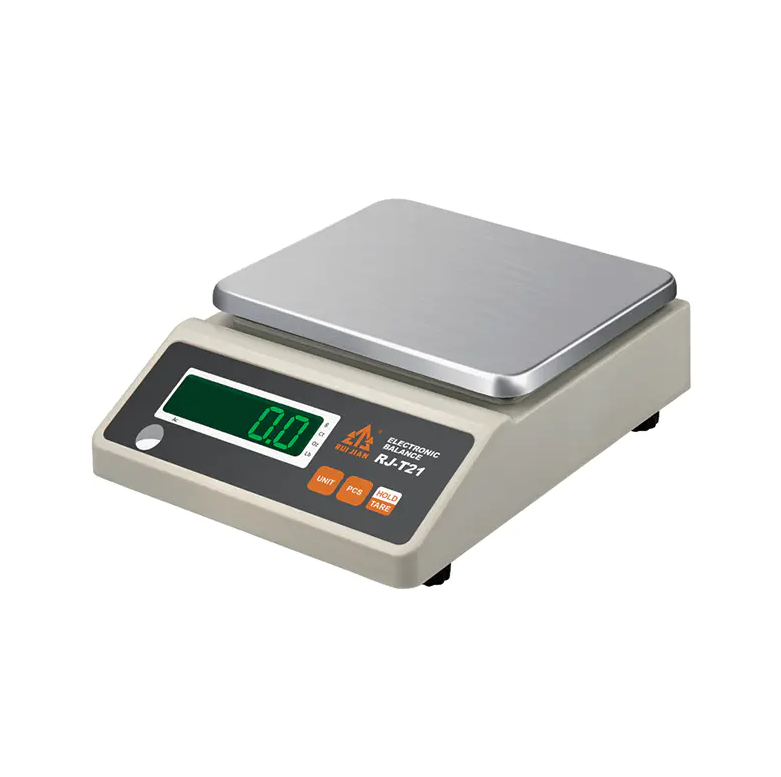
Introduction to Electronic Weighing Indicators
Electronic weighing indicators are essential tools in industries where precise measurements are critical, such as manufacturing, logistics, and quality control. Their primary function is to convert signals from load cells into accurate weight readings. The accuracy of these indicators directly affects product quality, billing, and operational efficiency, making them an indispensable component of modern weighing systems.
Factors Affecting Accuracy
Several factors determine the precision of an electronic weighing indicator. Load cell quality, signal processing algorithms, temperature compensation, and mechanical stability all play crucial roles. High-quality indicators from reputable manufacturers are designed to minimize errors caused by vibration, electrical interference, and environmental changes. Ensuring proper calibration and installation is also critical to maintain consistent and reliable readings over time.
Calibration and Maintenance
Regular calibration is vital to maintain the accuracy of an electronic weighing indicator. Calibration ensures that the readings correspond precisely to known standards and compensates for any drift over time. Additionally, routine maintenance, such as inspecting cables, connections, and load cells, prevents errors due to wear or damage. Well-maintained indicators provide long-term reliability and reduce the risk of costly mistakes in production or shipping processes.
Advanced Features for Improved Precision
Modern electronic weighing indicators often include advanced features that enhance measurement accuracy. Digital filtering, automatic tare functions, and environmental compensation systems allow indicators to provide stable readings even under fluctuating conditions. Some models also offer connectivity with computers or control systems for automated data logging and analysis, further reducing human error and improving operational efficiency.
Choosing the Right Indicator
Selecting a suitable electronic weighing indicator involves considering load capacity, readability, resolution, and environmental conditions. Indicators designed for industrial use often come with IP-rated enclosures, robust construction, and user-friendly interfaces to ensure consistent performance. Choosing a reliable model helps maintain high precision and ensures that the weighing system meets both operational and regulatory standards.
Conclusion
Electronic weighing indicators play a crucial role in delivering accurate and reliable weight measurements across various industries. By considering factors such as load cell quality, calibration, environmental protection, and advanced digital features, users can achieve high precision and consistency. Investing in a high-quality indicator and maintaining it properly ensures that operational decisions, product quality, and compliance requirements are all supported by trustworthy weight data.

 English
 Arabic
 French
 Spanish
 Portuguese
 Deutsch
 Dutch
Dutch
 Italiano
 Russian
 Romaian
 Portuguese (Brazil)
 Greek
Greek