


Choosing the Right Button Feeding Machine
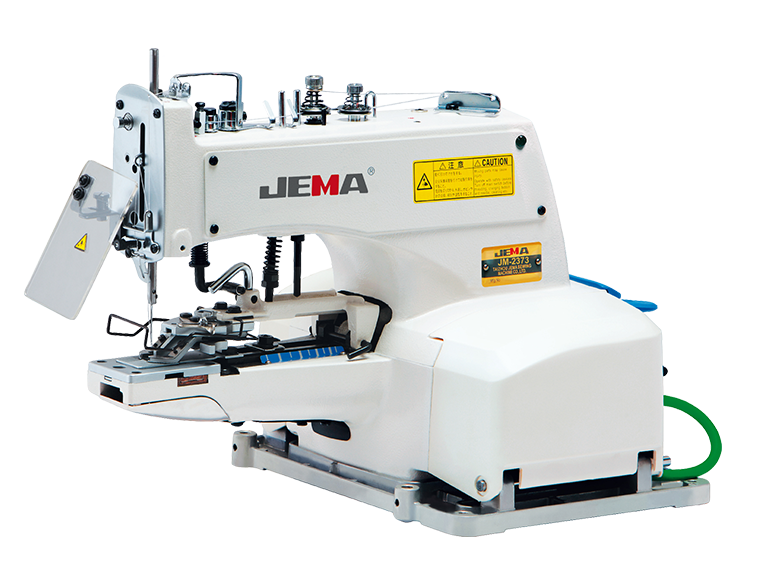
Introduction to Button Feeding Machines
A Button Feeding Machine is a specialized device designed to automatically feed buttons onto sewing machines or assembly lines in clothing and textile production. Its main purpose is to increase production efficiency, reduce manual labor, and ensure consistent button placement. In comparison, semi-automatic button feeding machines require some manual intervention during the feeding process. Understanding the differences between fully automatic and semi-automatic models is crucial for manufacturers aiming to optimize workflow and output quality.
Automation and Operation
The key distinction between a fully automatic button feeding machine and a semi-automatic model lies in the level of automation. Fully automatic machines handle button sorting, orientation, and feeding with minimal human involvement. Operators mainly monitor the machine, adjust settings, and remove completed work. Semi-automatic machines, however, require the operator to manually place buttons into the feeding mechanism or assist with the sorting process. This increased human interaction can slow production and introduce variability in feeding accuracy.
Production Efficiency
Production efficiency is another significant difference. Fully automatic button feeding machines are designed for high-volume production, capable of consistently feeding large quantities of buttons in a short period. Semi-automatic machines, due to the manual aspects of operation, generally have lower throughput and are better suited for small to medium-scale production. For manufacturers seeking to scale operations, fully automatic machines provide substantial labor savings and faster turnaround times.
Accuracy and Consistency
Consistency in button placement is critical in garment production. Fully automatic button feeding machines utilize precise sensors, automated guides, and programmable settings to ensure uniform feeding and placement. This reduces errors and maintains quality standards. Semi-automatic machines, while functional, rely more on the operator’s skill, which can lead to slight variations in alignment or spacing, particularly during long production runs.
Cost and Maintenance Considerations
Fully automatic machines typically have a higher upfront cost due to advanced features, but they reduce labor expenses and material waste over time. Semi-automatic machines are more affordable initially but may require more operators to achieve the same output. Both machine types require regular maintenance, including lubrication, sensor calibration, and blade or guide adjustments, but fully automatic machines often include additional electronic components that demand careful upkeep.
Choosing between a Button Feeding Machine and a semi-automatic model depends on production volume, budget, and desired efficiency. Fully automatic machines excel in high-volume environments, providing consistent, precise feeding with minimal human intervention. Semi-automatic machines offer flexibility and lower initial costs, making them suitable for smaller operations. Understanding these differences ensures that manufacturers select the most appropriate solution for their production needs.

 English
 Arabic
 French
 Spanish
 Portuguese
 Deutsch
 Turkish
 Dutch
Dutch
 Italiano
 Russian
 Portuguese (Brazil)
 Greek
Greek