


Maximizing Hill Climbing with Electric Scooters
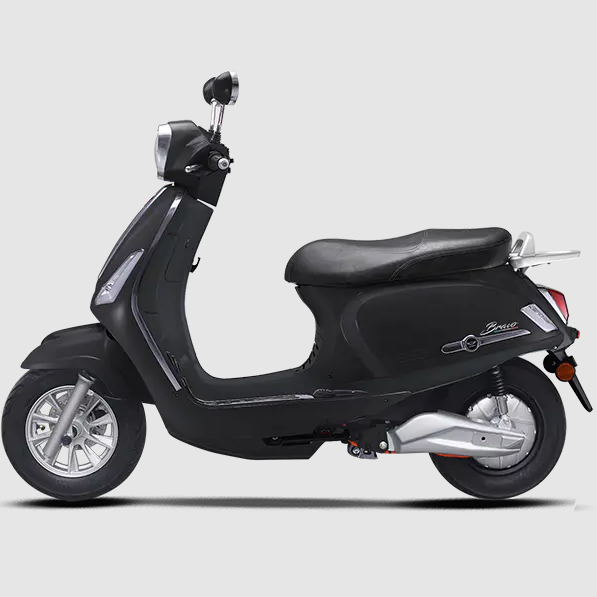
Introduction to Electric Scooter Climbing Power
The Electric Scooter Factory plays a pivotal role in designing and manufacturing scooters with varying hill-climbing capabilities. One of the most common concerns for electric scooter users is how well their scooter can handle inclines. Whether for commuting on hilly city streets or navigating uphill terrain during outdoor excursions, the scooter's climbing power significantly affects its performance and usability. Several factors influence the scooter's ability to climb, and understanding these elements can help consumers make informed purchasing decisions.
Motor Power and Torque
The key factor in determining an electric scooter's hill-climbing ability is the motor's power and torque. The motor's wattage is a direct indicator of how much force it can generate. Most electric scooters on the market today range from 250W to 2000W motors, with higher wattage generally resulting in better performance on inclines. A scooter with a 500W or 750W motor is typically capable of handling mild inclines, while those with 1000W or greater can manage steeper hills with ease. Torque, which is the rotational force of the motor, is also crucial—scooters with higher torque can exert more force, enabling them to climb hills more effectively.
Battery Capacity and Voltage
Battery capacity and voltage are also essential when it comes to hill-climbing performance. A scooter with a higher voltage battery, such as 48V, provides more consistent power to the motor, enabling it to maintain a steady speed while climbing. On the other hand, lower-voltage scooters (e.g., 24V or 36V) might struggle more with inclines, especially when the battery is low on charge. Additionally, battery capacity determines how long the scooter can maintain high power output without depleting its energy reserves. A higher capacity battery not only increases the scooter's range but also allows it to sustain the energy needed for climbing.
Scooter Weight and Design
The weight of both the scooter and the rider impacts hill-climbing ability. Lighter scooters are generally easier to push uphill, but they may also come with smaller motors that lack sufficient power for steep climbs. On the other hand, heavier scooters tend to have larger motors and more robust battery systems, making them better suited for hill climbing. However, these scooters may sacrifice portability, making them less ideal for users who need to carry their scooters often. The overall design of the scooter, including the quality of the frame, wheel size, and suspension, also contributes to how effectively it can manage inclines.
The Electric Scooter Factory designs scooters with various features that affect climbing power, including motor wattage, battery voltage, and the scooter's overall weight. For users who frequently travel on hilly terrain, choosing a scooter with a higher-powered motor, larger battery, and sturdy construction is essential to ensure a smooth and efficient ride. Additionally, factors such as torque, weight distribution, and design also play key roles in determining a scooter's performance on inclines. By understanding these features, riders can select an electric scooter that best suits their needs for hill-climbing capabilities, ensuring both comfort and reliability during their ride.

 English
 Arabic
 French
 Spanish
 Portuguese
 Deutsch
 Turkish
 Italiano
 Russian
 Romaian
 Portuguese (Brazil)
 Greek
Greek