


A Tool for Visual Ergonomics in a Connected World
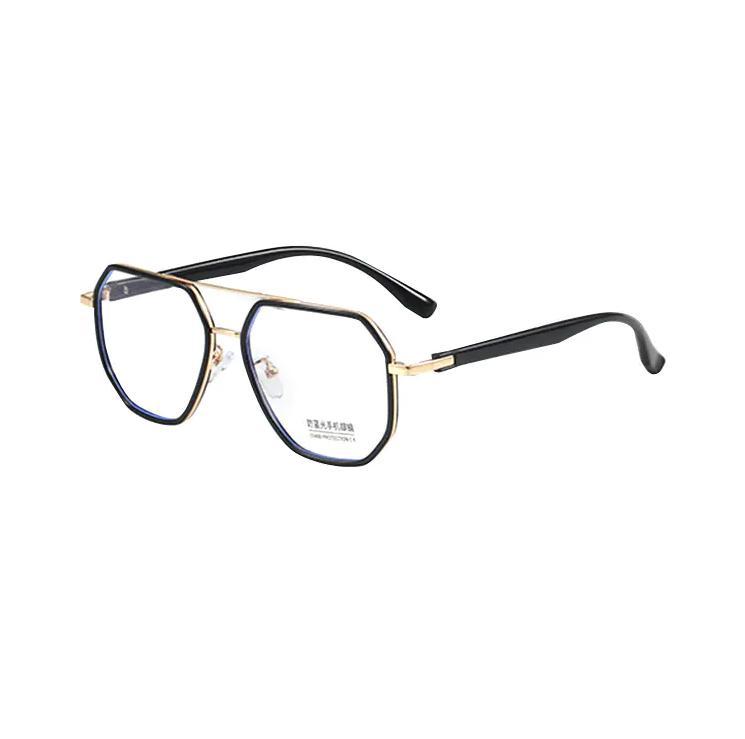
Navigating the Digital Glare: Science, Marketing, and Visual Comfort
Blue light blocking glasses are eyewear specifically designed with lenses that filter or absorb a portion of high-energy visible (HEV) blue light, typically in the 400-495 nanometer range. Their primary marketed purpose is to mitigate the effects of prolonged exposure to artificial blue light emitted from digital screens (computers, smartphones, tablets) and LED lighting, with claims centered on reducing digital eye strain, improving sleep quality, and potentially protecting long-term eye health. This product category exists at the intersection of optometry, ergonomics, and consumer wellness, responding to the pervasive digitization of daily life. However, it is crucial to distinguish between evidence-based benefits for visual comfort and more speculative claims about retinal health.
The Science of Blue Light: Natural vs. Artificial
Blue light itself is not inherently bad; it is a natural and essential part of the solar spectrum that regulates our circadian rhythm (sleep-wake cycle) and boosts alertness and mood during the day. The concern arises from the timing, intensity, and proximity of artificial sources. After sunset, exposure to significant blue light can suppress the production of melatonin, the sleep hormone, disrupting natural sleep patterns. Furthermore, the high contrast and glare from screens can contribute to digital eye strain (Computer Vision Syndrome), characterized by dry eyes, headaches, blurred vision, and neck pain, though this is multifactorial, relating also to reduced blink rate and focusing fatigue.
Lens Technology: How They Work
The lenses function through one of two primary methods:
- Tinted Lenses: Incorporating dyes (often a subtle yellow, amber, or orange tint) that absorb specific wavelengths of blue light. The stronger the tint, the greater the blue light blockage, but the more it distorts color perception, which can be problematic for designers or anyone needing accurate color rendition.
- Clear Lenses with a Selective Filter Coating: A multi-layer anti-reflective (AR) coating is engineered to reflect a targeted range of blue light while remaining largely clear. This is the preferred method for prescription and general-use glasses, as it minimizes color distortion. The coating may also include other benefits like anti-static and hydrophobic properties.
- The percentage of blue light filtered is a key specification, ranging from 10%-20% for clear coatings to over 90% for deeply tinted "sleep" glasses. Reputable manufacturers should provide spectral transmission graphs from independent labs.

 English
 Arabic
 French
 Spanish
 Portuguese
 Deutsch
 Turkish
 Dutch
Dutch
 Italiano
 Russian
 Portuguese (Brazil)
 Greek
Greek