


Engineering Clarity, Durability, and Mold Resistance
Crafting the Flexible Barrier of the Bathroom
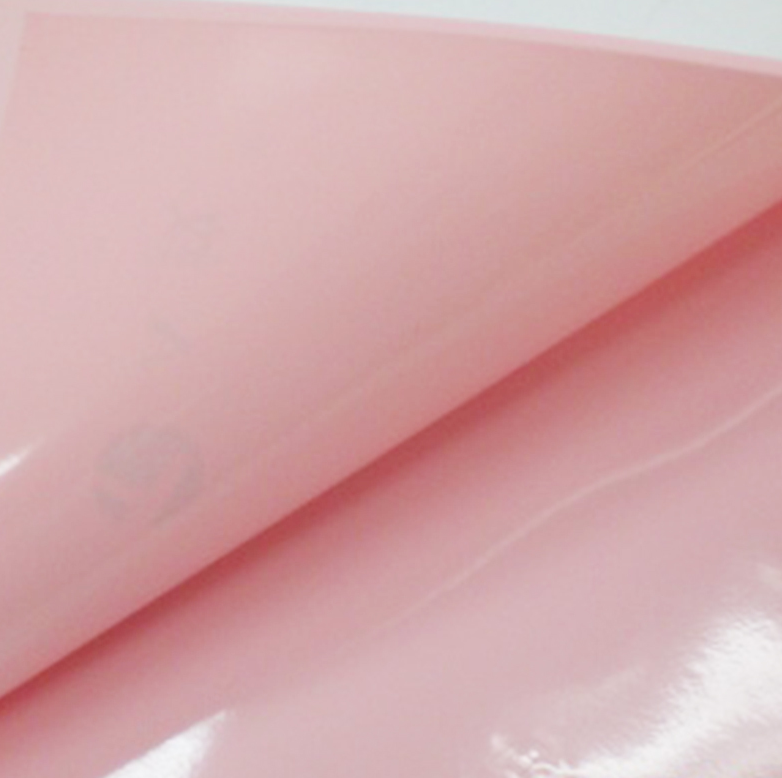
A PVC shower curtain film maker is a specialized manufacturer focused on producing the essential flexible sheeting that forms the body of vinyl shower curtains and liners. This entity operates at the upstream end of the home textiles supply chain, transforming raw PVC resin into large rolls of clear, opaque, or printed film that will later be cut, hemmed, and grommeted by converters or finished goods manufacturers. The maker's expertise lies in formulating and processing PVC to achieve a specific set of consumer-facing properties: crystal clarity or consistent opacity, sufficient weight and "hand-feel" for draping, inherent water impermeability, and crucially, resistance to the humid, soapy environment of a bathroom to prevent rapid degradation and mold growth. This is a niche defined by marrying decorative appeal with demanding functional performance.
Material Formulation: Balancing Clarity and Performance
The starting point is a specialized calendering-grade PVC compound. For clear curtains, a highly transparent suspension PVC (S-PVC) resin is used. Plasticizers are essential for flexibility, with a trend towards non-phthalate plasticizers like DOTP (Dioctyl Terephthalate) or polymeric plasticizers to meet health and environmental regulations, especially in North America and Europe. The formulation is meticulously balanced:
- Plasticizer Type and Level: Dictates flexibility at room temperature and cold-crack resistance.
- Stabilizers: (e.g., calcium-zinc) prevent yellowing and degradation during high-temperature processing and from UV exposure in sunlit bathrooms.
- Biocides and Mildewcides: Incorporated into the compound or applied as a coating to inhibit the growth of mold and mildew on the film's surface—a critical selling point.
- Slip Agents and Anti-Fog Additives: Improve handling and can reduce condensation fogging on clear liners.
- Pigments and Opacifiers: For colored or opaque white films.
The Calendering Process: Creating a Uniform Sheet
The primary manufacturing method is calendering. The compounded PVC—now a hot, fused mass—is fed into a series of precision-heated rollers. As it passes through the nips between each successive roller, it is pressed into a sheet of exact and consistent thickness (typically ranging from 0.08mm for lightweight liners to 0.15mm or more for heavy-duty curtains). The final rollers determine the surface finish: high-gloss mirror rolls for maximum clarity, or matt/embossed rolls for a softer light diffusion or textured pattern. The continuous sheet is then cooled on chill rolls, trimmed, and wound onto large master rolls, which can be several meters wide and thousands of meters long.

 English
 Arabic
 French
 Spanish
 Portuguese
 Deutsch
 Turkish
 Dutch
Dutch
 Italiano
 Russian
 Romaian
 Greek
Greek