


From Concept to Customer: The Supplier’s Role
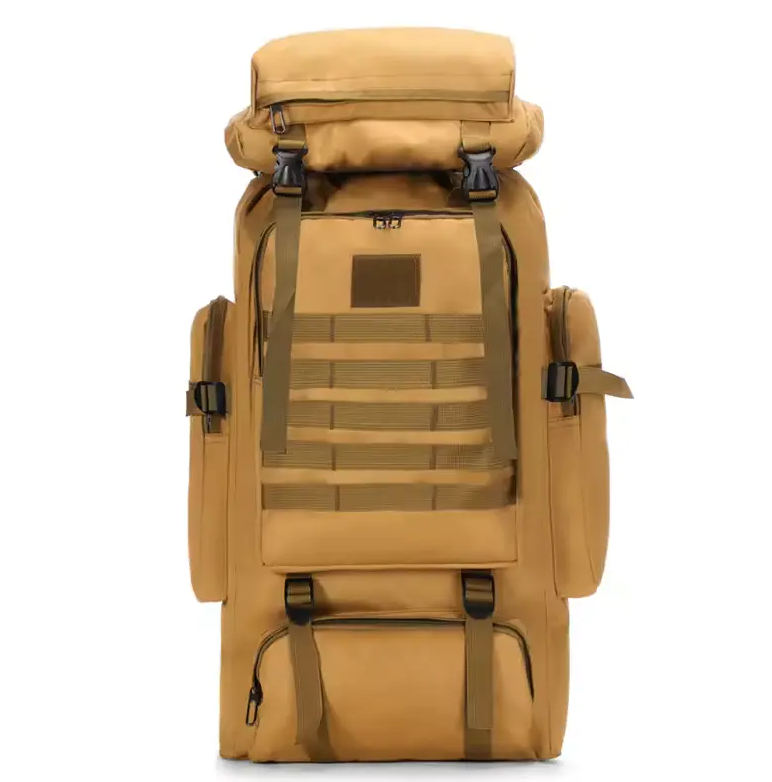
In the journey of bringing a backpack from an idea to a customer’s hands, the role of the intermediary is critical. A proficient backpack supplier acts as more than a mere vendor; they are a strategic partner who navigates the complexities of manufacturing, quality assurance, and global logistics. They bridge the gap between a brand’s vision and factory production, ensuring that the final product aligns with design specifications, quality standards, and delivery timelines. Choosing the right partner directly impacts product integrity, cost efficiency, and market success.
Sourcing and Partnership Models
Understanding a supplier’s operational model is the first step. A manufacturing supplier owns or directly manages factories, offering greater control over production processes, quality control, and potentially lower costs for large volumes. A trading company or sourcing agent, on the other hand, acts as an intermediary, connecting clients with suitable factories. They offer flexibility, handle communication and quality checks across multiple manufacturers, and are often adept at managing smaller, more varied orders. The choice depends on a brand’s scale, expertise, and need for hands-on production management. A reliable supplier, regardless of model, should be transparent about their capabilities and partnerships.
The Development and Sampling Cycle
A core service of a quality supplier is guiding the product development process. This begins with translating initial concepts or tech packs into viable prototypes. An effective partner will provide material swatches, suggest construction improvements for durability or cost, and identify potential production challenges early. The sampling stage is crucial. It typically involves creating a first prototype (Proto Sample) for design validation, followed by a pre-production sample (PP Sample) made with the correct materials and construction methods. This sample serves as the final benchmark for quality before mass production begins. A good supplier manages this cycle efficiently, providing clear feedback and revisions.
Quality Assurance and Compliance Infrastructure
Assuring consistent quality is a non-negotiable function. Reputable suppliers implement a multi-stage quality control (QC) system. This includes in-line QC during production to catch issues early, and a final random inspection (FRI) on finished goods before shipment, often following an Acceptable Quality Level (AQL) standard. Beyond product quality, a supplier should help ensure compliance. This encompasses everything from material safety standards (e.g., OEKO-TEX for fabrics) to hardware safety, and correct labeling for the target market. Their familiarity with international regulations and ability to provide necessary test reports is a significant value-add, mitigating legal and reputational risk for the brand.

 English
 French
 Spanish
 Portuguese
 Deutsch
 Turkish
 Dutch
Dutch
 Italiano
 Russian
 Romaian
 Portuguese (Brazil)
 Greek
Greek