


Permaculture Design Certificate Course: Your Complete Guide to Building a Sustainable Future
As the world faces growing environmental challenges, more people are searching for practical solutions that support sustainability, resilience, and ecological balance. One of the most effective ways to gain the knowledge and skills needed to create sustainable systems is by enrolling in a Permaculture Design Certificate (PDC) course. This course is widely recognized as the global standard for permaculture education and provides a strong foundation in ecological design, regenerative practices, and sustainable living. Whether you want to transform your home garden, pursue a career in sustainability, or contribute to environmental restoration, a Permaculture Design Certificate course is the ideal starting point.
A Permaculture Design Certificate course offers comprehensive training in designing systems that work in harmony with nature. It teaches learners how to create productive, sustainable environments that support both human needs and ecological health. This course is suitable for beginners and professionals alike, making it accessible to anyone interested in building a sustainable future.
Understanding Permaculture and Its Design Principles
Permaculture is a design philosophy that focuses on creating permanent, self-sustaining systems by observing and mimicking natural ecosystems. The goal of permaculture is to develop environments that are productive, efficient, and environmentally responsible. Unlike conventional systems that rely heavily on external inputs and harm natural resources, permaculture emphasizes regeneration, conservation, and balance.
Permaculture design is guided by three core ethics: care for the earth, care for people, and fair share. These ethics encourage responsible use of resources, support for communities, and protection of the environment. In addition to these ethics, permaculture uses a set of design principles such as observing natural patterns, capturing and storing energy, producing no waste, and integrating systems rather than isolating them.
A Permaculture Design Certificate course teaches these principles in detail and shows how to apply them in real-life situations. Students learn how to design sustainable gardens, manage water efficiently, improve soil health, and create systems that support biodiversity.
What Is a Permaculture Design Certificate Course
A Permaculture Design Certificate course is an internationally recognized training program that provides in-depth education in permaculture design. The course typically includes at least 72 hours of instruction and covers a wide range of topics related to sustainability, ecological design, and regenerative living.
The course is designed to provide both theoretical knowledge and practical skills. Students learn how to analyze landscapes, understand natural systems, and create designs that support sustainability. They also work on design projects that allow them to apply their learning in practical situations.
A Permaculture Design Certificate is recognized worldwide and is often required for individuals who want to work professionally in permaculture or teach permaculture courses. It provides credibility and demonstrates a strong understanding of permaculture principles and practices.
Key Topics Covered in a Permaculture Design Certificate Course
A Permaculture Design Certificate course covers a comprehensive range of topics that are essential for sustainable design. One of the main areas of focus is ecological design. Students learn how to observe natural systems and use this knowledge to create sustainable environments. This includes understanding ecosystems, biodiversity, and natural patterns.
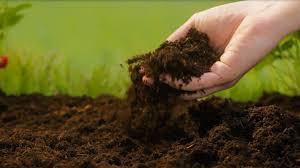
Soil health is another important topic. Healthy soil is the foundation of sustainable agriculture and gardening. Students learn how to improve soil fertility using natural methods such as composting, mulching, and cover cropping. These techniques help create productive and resilient systems.
Water management is also a key component of permaculture design. Students learn how to conserve water, harvest rainwater, and design systems that use water efficiently. Proper water management helps prevent waste and supports sustainable growth.
Food production is a major focus of permaculture courses. Students learn how to grow food naturally without harmful chemicals. This includes techniques such as companion planting, crop rotation, and agroforestry. These methods improve productivity while protecting the environment.
Energy efficiency and sustainable building are also covered. Students learn how to design energy-efficient homes, use renewable energy sources, and reduce energy consumption. These practices help reduce environmental impact and promote sustainability.
Waste management is another important topic. Permaculture promotes the idea that waste is a resource. Students learn how to recycle, reuse, and reduce waste, creating systems that minimize environmental harm.
Benefits of Completing a Permaculture Design Certificate Course
Completing a Permaculture Design Certificate course offers numerous benefits. One of the most important benefits is gaining valuable knowledge and skills. Students learn practical techniques that can be applied in everyday life to create sustainable systems.
Another benefit is improved food security. By learning how to grow food sustainably, individuals can produce their own healthy, organic food. This reduces dependence on industrial food systems and improves self-sufficiency.
A Permaculture Design Certificate course also provides career opportunities. As sustainability becomes more important, there is growing demand for permaculture designers, consultants, and educators. Completing a PDC course can open doors to careers in sustainable agriculture, landscaping, environmental consulting, and education.
The course also promotes environmental responsibility. Students learn how to protect natural resources, restore ecosystems, and support biodiversity. These practices contribute to a healthier planet.
Personal growth is another benefit. Learning permaculture encourages a deeper connection with nature and promotes a more mindful and sustainable lifestyle.
Who Should Take a Permaculture Design Certificate Course
A Permaculture Design Certificate course is suitable for a wide range of people. Homeowners can use permaculture principles to create sustainable gardens and reduce their environmental impact. Farmers can improve productivity and soil health using regenerative practices.
Students and young professionals can gain valuable skills that support careers in sustainability. Environmental enthusiasts can deepen their understanding of ecological systems and contribute to conservation efforts.
Urban residents can learn how to grow food in small spaces and create sustainable living environments. Landscapers, architects, and designers can use permaculture principles to create environmentally friendly designs.
Permaculture education is accessible to everyone, regardless of background or experience. Anyone interested in sustainability can benefit from taking a PDC course.
Practical Applications of Permaculture Design Skills
Permaculture design skills can be applied in many different ways. One of the most common applications is creating sustainable gardens. Students can design gardens that produce food while supporting biodiversity and improving soil health.
Permaculture principles can also be used in farming. Regenerative farming practices improve productivity and reduce environmental impact. These practices help create resilient agricultural systems.
Home design is another important application. Sustainable homes use energy-efficient designs, renewable energy, and natural materials. This reduces environmental impact and improves comfort.
Permaculture can also be applied in community development. Community gardens, public spaces, and sustainability projects help strengthen communities and promote environmental awareness.
Water conservation is another important application. Permaculture techniques help capture and store water, ensuring efficient use of this valuable resource.
Career Opportunities After Completing a Permaculture Design Certificate
Completing a Permaculture Design Certificate course can lead to various career opportunities. Individuals can work as permaculture designers, helping clients create sustainable landscapes and systems. Environmental consulting is another career option, where professionals provide advice on sustainable practices.
Permaculture education is also a growing field. Certified individuals can teach permaculture courses and share their knowledge with others. Sustainable farming, landscaping, and ecological restoration are other career options.
Entrepreneurship is another possibility. Individuals can start businesses related to sustainable agriculture, eco-friendly products, or permaculture design services.
The demand for sustainability professionals is increasing, making permaculture education a valuable investment.
Online vs In-Person Permaculture Design Certificate Courses
Permaculture Design Certificate courses are available both online and in person. Online courses offer flexibility and convenience, allowing students to learn at their own pace. They provide access to high-quality learning materials and global communities.
In-person courses offer hands-on experience and direct interaction with instructors. They provide opportunities to practice skills in real-world settings.
Both options have their advantages, and the choice depends on individual preferences and circumstances.
How to Choose the Right Permaculture Design Certificate Course
Choosing the right Permaculture Design Certificate course is important for effective learning. Look for courses offered by reputable organizations or experienced instructors. Check the curriculum to ensure it covers all key permaculture principles.
Consider the course format, duration, and certification. Choose a course that fits your schedule and learning goals.
Reading reviews and testimonials can help you evaluate the quality of the course.
The Future of Permaculture and Sustainable Design
Permaculture is becoming increasingly important as the world seeks sustainable solutions. It offers practical methods for addressing environmental challenges and creating resilient systems.
Permaculture education plays a key role in spreading sustainability knowledge. More people are learning permaculture and applying its principles in their homes and communities.
Technology is making permaculture education more accessible through online courses and digital resources.
Permaculture will continue to play a vital role in creating a sustainable future.
Conclusion
A Permaculture Design Certificate course is a powerful step toward building a sustainable future. It provides the knowledge, skills, and certification needed to create sustainable systems and contribute to environmental restoration.
Whether you want to improve your home, start a career in sustainability, or make a positive impact on the planet, a Permaculture Design Certificate course offers the foundation you need.
By learning permaculture design, you become part of a global movement dedicated to sustainability, resilience, and ecological balance. This education empowers you to create meaningful change and build a better future for yourself and future generations.

 English
 Arabic
 French
 Spanish
 Portuguese
 Deutsch
 Dutch
Dutch
 Italiano
 Russian
 Romaian
 Portuguese (Brazil)
 Greek
Greek