


Recovery timeline after a beard hair transplant
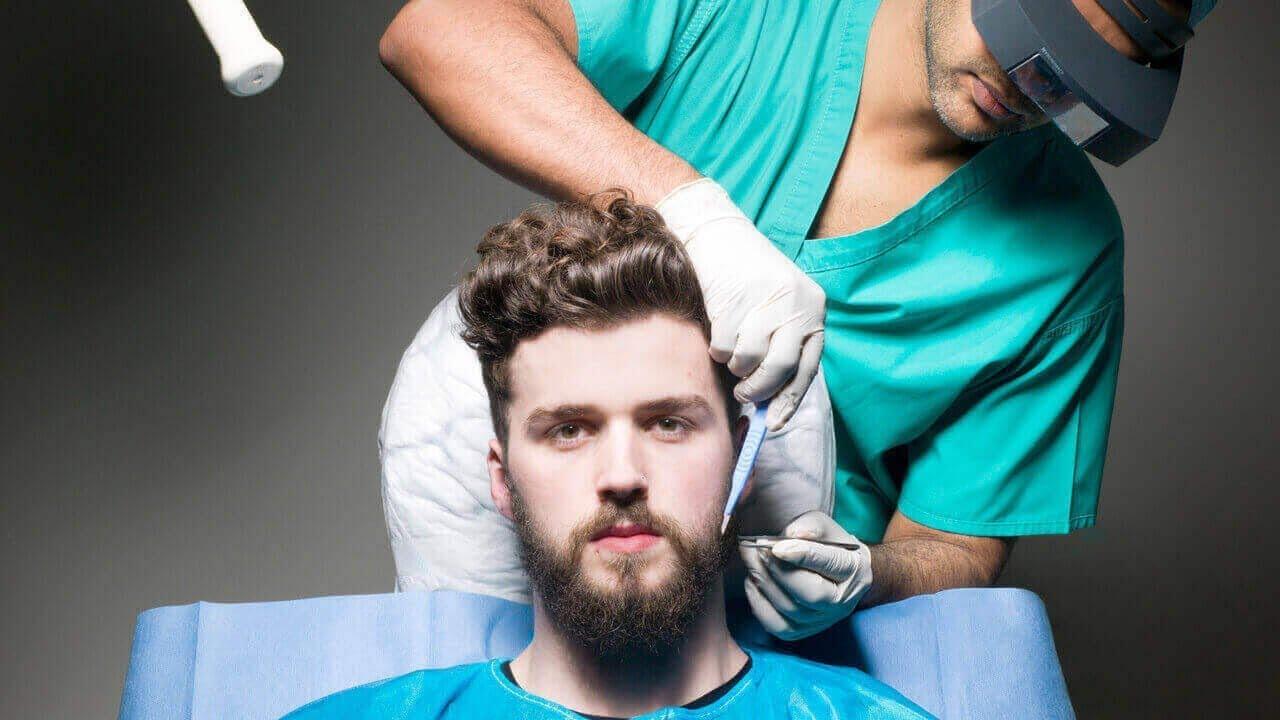
The recovery timeline after a beard hair transplant is a critical part of the overall process, as it determines how quickly the transplanted hair follicles heal, grow, and produce the desired beard appearance. Understanding this timeline allows patients to set realistic expectations, plan for downtime, and take proper care during each stage of recovery. While individual experiences may vary based on age, skin type, and overall health, most patients can expect a similar sequence of events following a beard hair transplant. Beard hair transplant in Riyadh has become increasingly popular among men looking to achieve a fuller, well-defined beard with natural results.
Immediate Post-Procedure Phase (Days 1–3)
Immediately after the procedure, patients may notice redness, swelling, and mild discomfort in both the donor and recipient areas. The donor area, usually located on the back or sides of the scalp, may feel tender, while the newly transplanted beard follicles on the face may appear slightly raised or pimple-like. Tiny scabs or crusts often form around the transplanted hair shafts, which is a normal part of the healing process. During this initial phase, it is important to avoid touching, scratching, or rubbing the treated area, as this can dislodge newly implanted follicles and interfere with healing. The surgeon may recommend a gentle saline spray or antiseptic solution to keep the area clean, and pain relief medications may be prescribed to manage discomfort.
Early Healing Phase (Days 4–14)
During the first two weeks after the transplant, swelling and redness usually begin to subside. The tiny scabs that formed around the transplanted hair shafts start to fall off naturally. It is crucial not to pick at these scabs, as premature removal can damage the hair follicles and affect the overall growth outcome. Patients may also notice some minor itching as the skin heals, which is normal. Cold compresses and elevation of the head during sleep can help reduce residual swelling. This period also involves avoiding strenuous physical activity, excessive sun exposure, and any practices that may irritate the skin, such as shaving the transplanted area. Following the surgeon’s post-operative instructions carefully ensures proper healing and reduces the risk of infection or other complications.
Shedding Phase (Weeks 2–6)
One of the unique aspects of hair transplantation is the shedding phase. Around two to three weeks after the procedure, the transplanted hairs may begin to fall out. This is a completely normal and expected part of the process known as “shock loss,” where the hair shafts detach while the follicles remain intact beneath the skin. While it may be alarming for some patients, this phase is temporary, and new hair growth typically begins after the follicles enter a resting phase. During this time, it is important to maintain proper skincare and avoid aggressive scrubbing or manipulation of the transplanted area. Patients are encouraged to be patient and not expect immediate results, as this stage can last several weeks before new hair emerges.
Initial Growth Phase (Months 1–3)
After the shedding phase, the transplanted follicles gradually begin producing new hair. The initial growth is usually fine, thin, and sometimes lighter in color than the surrounding facial hair. This is completely normal and will thicken over time. During the first three months, patients may see uneven growth, which is part of the natural maturation process of hair follicles. Maintaining a healthy lifestyle, including proper nutrition, hydration, and skin care, can support optimal growth. Some surgeons may also recommend gentle facial massages or specialized serums to improve circulation and encourage follicle activity. Patience is key during this phase, as noticeable changes are gradual and require time to develop fully.
Active Growth Phase (Months 4–8)
Between the fourth and eighth month, the transplanted hair begins to thicken and adopt a more natural texture similar to the patient’s existing beard. During this stage, the new beard starts blending with the surrounding facial hair, and the overall density improves significantly. Many patients can begin shaping, trimming, and styling their new beard once the hair is strong enough. Any irregularities or patchiness often correct themselves as more follicles mature and produce thicker hair. This period marks the most visible improvement, and patients typically feel more confident as they see their desired beard taking shape.
Final Maturation Phase (Months 9–12)
By nine to twelve months, most patients achieve the full results of their beard hair transplant. The transplanted hairs have reached their final density, texture, and growth pattern. Any minor inconsistencies from earlier stages usually resolve, resulting in a natural-looking, fully integrated beard. At this point, normal grooming routines can be resumed, and the patient can enjoy a low-maintenance, permanent solution to previously patchy or thin beard areas. Follow-up visits with the surgeon may be scheduled to assess the results, address any concerns, and provide additional guidance for long-term care.
Tips for a Smooth Recovery
Throughout the recovery timeline, several practices can optimize results. Avoid smoking and alcohol, as these can impair blood flow and delay healing. Protect the face from direct sunlight, as UV exposure can damage sensitive skin and newly transplanted follicles. Gentle cleansing and moisturizing help maintain healthy skin, and following the surgeon’s instructions regarding medication, care, and activity restrictions is essential. Emotional patience is equally important, as hair growth takes time and immediate results are not realistic.
In conclusion, the recovery timeline after a beard hair transplant involves several distinct phases, from immediate post-operative care and shedding to initial growth, active development, and final maturation. Each phase requires careful attention, proper care, and patience to ensure the best possible outcome. Understanding this timeline helps patients set realistic expectations and actively participate in their recovery, ultimately leading to a full, natural, and well-defined beard.

 English
 Arabic
 French
 Spanish
 Portuguese
 Deutsch
 Turkish
 Dutch
Dutch
 Italiano
 Russian
 Romaian
 Portuguese (Brazil)