


Residential vs Commercial Pest Control in the Gold Coast: What’s the Difference?
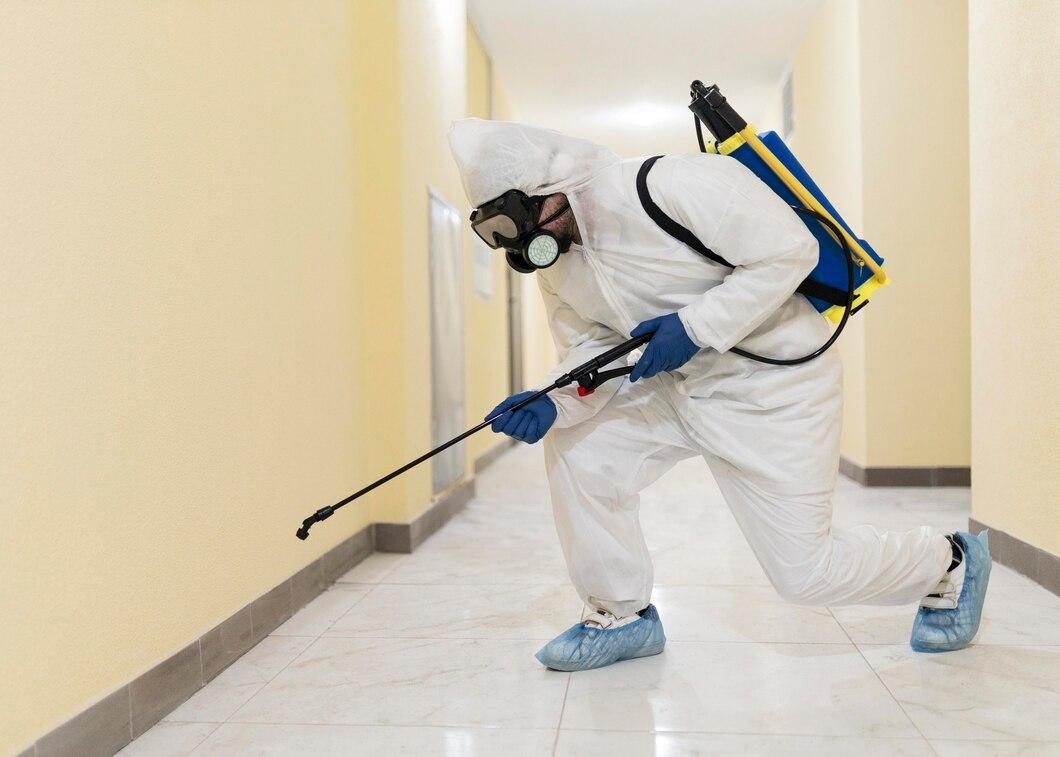
Pest control is a critical aspect of maintaining safe and healthy environments, whether at home or in a business setting. The Gold Coast, with its subtropical climate and lush landscapes, provides the perfect conditions for pests such as termites, ants, rodents, and cockroaches. While many people think pest control is a one-size-fits-all solution, residential and commercial properties face different challenges, risks, and legal obligations. Understanding the differences between residential and commercial pest control is essential for property owners to protect their investments, ensure health and safety, and comply with regulations.
Why Pest Control Is Important in the Gold Coast
The Gold Coast’s warm and humid environment is a haven for pests. Termites, in particular, are a major concern for both homes and businesses, capable of causing structural damage that costs thousands of dollars in repairs. Rodents, cockroaches, and other insects not only damage property but also pose health risks by contaminating food and spreading disease.
Effective pest control goes beyond simply eliminating visible pests; it involves identifying the source, preventing future infestations, and tailoring strategies to specific property types. The approach differs significantly between residential and commercial settings due to scale, regulation, and risk factors.
Residential Pest Control
Residential pest control focuses on homes, apartments, and other private dwellings. The primary goals are protecting health, preventing property damage, and ensuring comfort.
Common Residential Pests
Gold Coast homes face a variety of pests, including:
-
Termites: The most destructive pest in Australian homes, attacking wooden structures, floors, and furniture.
-
Ants: Including coastal brown ants and meat ants, which invade kitchens and gardens.
-
Rodents: Rats and mice, which contaminate food and gnaw on electrical wiring.
-
Cockroaches: Spread bacteria in kitchens, bathrooms, and storage areas.
-
Spiders and insects: While mostly harmless, some spiders can pose a health risk to children and pets.
Key Features of Residential Pest Control
-
Targeted Treatment: Residential pest control focuses on small to medium-scale infestations, often using baits, sprays, and spot treatments.
-
Safety: Since families and pets occupy homes, residential treatments prioritize low-toxicity products and environmentally friendly solutions.
-
Prevention-Oriented: Inspectors look for potential entry points, moisture issues, and conditions that encourage pests. Preventive measures, such as sealing cracks, installing termite barriers, or trimming landscaping, are a key component.
-
Personalized Service: Residential pest control is often customized to the specific needs of a home, taking into account the building’s design, materials, and occupants.
Residential pest control is generally reactive and preventive. Homeowners typically call a service when they notice pests or schedule annual inspections to avoid infestations.
Commercial Pest Control
Commercial pest control is designed for businesses, institutions, and industrial properties. The stakes are higher because infestations can impact public health, damage products or equipment, and result in legal liabilities.
Common Commercial Pests
Commercial properties face similar pests as residential spaces but often on a larger scale and with higher consequences:
-
Rodents: Particularly problematic for restaurants, food processing facilities, and warehouses, where contamination risks are high.
-
Cockroaches and ants: Can spread bacteria in kitchens, storage areas, and offices.
-
Birds and bats: Can damage roofs and ceilings and leave droppings that carry disease.
-
Stored product pests: In warehouses and supermarkets, insects such as weevils and moths can damage stock.
-
Termites: Threaten timber-framed buildings and infrastructure.
Key Features of Commercial Pest Control
-
Regulatory Compliance: Businesses must adhere to health and safety regulations, including food safety standards. Infestations can lead to fines, legal action, or closure of premises.
-
Comprehensive Monitoring: Commercial pest control often involves ongoing monitoring, including sensors, traps, and regular inspections to detect pests before they become a problem.
-
Large-Scale Treatment: Commercial properties require more extensive treatments, often using industrial-grade products and equipment.
-
Documentation and Reporting: Businesses need detailed records for compliance purposes, showing that pest management is ongoing and effective.
-
Integrated Pest Management (IPM): This approach combines chemical treatments with preventive measures, staff training, waste management, and building maintenance to minimize risk.
Commercial pest control is more structured and proactive than residential control. Businesses often enter into service contracts for routine inspections and treatments, reducing the likelihood of costly disruptions caused by infestations.
Differences Between Residential and Commercial Pest Control
While both types of pest control aim to eliminate pests and prevent damage, several key differences exist:
| Aspect | Residential Pest Control | Commercial Pest Control |
|---|---|---|
| Scale | Focused on a single home or small property | Covers larger buildings, multiple sites, or industrial facilities |
| Regulation | Mostly voluntary and for personal safety | Heavily regulated, especially in food, healthcare, and public facilities |
| Treatment Methods | Low-toxicity sprays, baits, traps | Industrial-grade treatments, integrated pest management systems |
| Frequency | Usually on-demand or annual inspections | Regularly scheduled inspections and monitoring contracts |
| Documentation | Minimal, mainly service reports for homeowners | Detailed reports for compliance, legal, and insurance purposes |
| Focus | Family safety, property protection, comfort | Business continuity, public health, regulatory compliance |
Choosing the Right Pest Control Service
Gold Coast property owners should select pest control providers based on the type of property and the specific risks involved. Key considerations include:
-
Licensing and Certification: Ensure the provider is licensed and trained in handling chemical treatments safely.
-
Experience: Choose a company with experience in residential or commercial pest control, depending on your needs.
-
Integrated Approach: Look for providers offering prevention, monitoring, and treatment, not just reactive sprays.
-
Tailored Solutions: Each property is unique, and treatments should be customized for the building, occupancy, and pest type.
For residential properties, safety and targeted treatment are paramount. For commercial properties, compliance, monitoring, and scale are critical factors.
Conclusion
Pest control in the Gold Coast requires a strategic approach tailored to the property type. Residential pest control focuses on family safety, comfort, and preventing property damage, often using low-toxicity solutions and targeted interventions. Commercial pest control, on the other hand, prioritizes regulatory compliance, large-scale monitoring, and business continuity.
Understanding these differences helps property owners choose the right provider and implement effective strategies to protect their investment. Whether safeguarding a family home or a commercial facility, proactive pest control measures are essential in the Gold Coast’s pest-prone environment.
With proper inspections, preventive actions, and professional treatments, both residential and commercial properties can remain pest-free, secure, and compliant with local health standards. Early intervention is key—waiting until pests are visible can lead to costly damage, disrupted operations, and health risks.
Investing in the right pest control strategy ensures peace of mind, a safe living or working environment, and protection against one of the Gold Coast’s most persistent challenges: unwanted pests.

 Arabic
 French
 Spanish
 Portuguese
 Deutsch
 Turkish
 Dutch
Dutch
 Italiano
 Russian
 Romaian
 Portuguese (Brazil)
 Greek
Greek