


Understanding Acoustic Surveys: A Comprehensive Guide
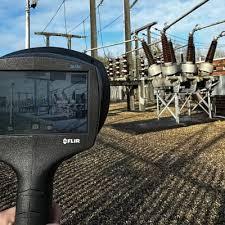
Acoustic surveys have become an essential tool across various industries, from environmental science and marine research to urban planning and construction. These surveys allow professionals to capture detailed information about sound environments, noise pollution, and underwater ecosystems, among other applications. Acoustic surveys are not only vital for regulatory compliance but also for understanding natural and human-influenced soundscapes. By systematically collecting acoustic data, researchers, engineers, and policymakers can make informed decisions about environmental management, urban design, and technological innovation.
The essence of acoustic surveys lies in their ability to translate sound into measurable, analyzable data. This is achieved through specialized equipment that can detect, record, and quantify sound waves across different frequencies and environments. Whether conducted underwater, in industrial zones, or urban settings, acoustic surveys provide insights that are otherwise inaccessible through visual observation or traditional measurement techniques. The scope and precision of these surveys have expanded dramatically over recent years thanks to advances in digital recording, data analysis software, and automated sensor networks.
Types of Acoustic Surveys
Acoustic surveys can be broadly categorized into several types, each tailored to specific applications and environments. Understanding these distinctions is crucial for selecting the right methodology for a given study or project.
1. Environmental Acoustic Surveys
Environmental acoustic surveys focus on understanding noise levels in natural or urban habitats. These surveys often monitor ambient sound to assess human impact on wildlife, detect sources of noise pollution, or evaluate the acoustic quality of urban spaces. For example, measuring traffic noise near residential areas or industrial facilities can inform noise mitigation strategies. Additionally, in natural habitats, environmental surveys can identify sound patterns crucial for animal communication, migration, and survival. By comparing soundscapes across different locations or seasons, researchers can detect ecological changes or disturbances.
2. Underwater Acoustic Surveys
Underwater acoustic surveys are indispensable in marine biology, oceanography, and hydrography. Using hydrophones and sonar systems, these surveys measure sound propagation and detect marine life, underwater structures, and sediment layers. The technology also helps identify human-induced noise sources such as shipping lanes, offshore drilling, and sonar exercises, which can affect marine ecosystems. Sonar mapping, in particular, is a powerful method to explore seabeds, assess fish populations, and detect submerged objects. The precision of underwater acoustic surveys has revolutionized our understanding of marine environments, enabling conservation efforts and the development of sustainable maritime practices.
3. Industrial and Structural Acoustic Surveys
Industrial and structural acoustic surveys focus on evaluating sound emissions and vibrations within machinery, manufacturing plants, and buildings. These surveys are crucial for workplace safety, regulatory compliance, and structural integrity assessments. By analyzing how sound propagates through materials and spaces, engineers can detect equipment malfunctions, structural weaknesses, or acoustic inefficiencies. For example, acoustic emission testing can reveal cracks in pipelines or bridges before they become critical, reducing maintenance costs and enhancing safety. In the industrial sector, sound measurements also help in designing quieter machinery and optimizing factory layouts to minimize noise exposure for workers.
Tools and Techniques in Acoustic Surveys
The effectiveness of an acoustic survey depends heavily on the tools and techniques employed. Modern acoustic measurement relies on an array of sophisticated instruments and analytical methods to ensure accuracy and reliability.
1. Microphones and Hydrophones
Microphones and hydrophones are the fundamental tools for capturing sound in air and water, respectively. High-sensitivity microphones detect minute variations in sound pressure, while hydrophones are designed to operate in aquatic environments with minimal signal distortion. These devices convert sound waves into electrical signals, which can then be processed, recorded, and analyzed. The choice of microphone or hydrophone depends on the frequency range, environmental conditions, and survey objectives.
2. Sonar Systems
Sonar (Sound Navigation and Ranging) systems are widely used in underwater surveys to detect objects and map seafloor topography. Active sonar emits sound pulses and measures the time it takes for the echoes to return, allowing precise distance calculations. Passive sonar, on the other hand, listens to sounds produced by marine organisms or human activities without emitting signals. The combination of active and passive sonar provides a comprehensive understanding of underwater soundscapes and object detection.
3. Acoustic Cameras and Array Systems
Acoustic cameras and array systems represent the cutting edge of sound localization technology. These systems consist of multiple sensors arranged in specific geometries to pinpoint sound sources and create visual representations of acoustic fields. Acoustic cameras are particularly useful in industrial and urban environments where identifying the exact origin of noise is critical. Array systems are also used in underwater surveys to track marine mammals, monitor shipping noise, and study sound propagation patterns over large areas.
4. Data Loggers and Analysis Software
Once sound is captured, it must be processed and analyzed to extract meaningful insights. Data loggers record continuous sound measurements over extended periods, allowing temporal analysis of acoustic events. Advanced software tools then process this data to generate frequency spectra, sound pressure levels, and other acoustic metrics. Visualization tools help interpret complex data, enabling stakeholders to make informed decisions. In environmental studies, for instance, software can differentiate between natural and anthropogenic sounds, helping to identify trends and impacts on ecosystems.
Applications of Acoustic Surveys
The versatility of acoustic surveys makes them invaluable across multiple sectors, each leveraging sound data to meet specific objectives.
1. Environmental Monitoring and Wildlife Conservation
flood risk assessment for planning play a pivotal role in monitoring ecosystems and conserving wildlife. By analyzing animal vocalizations, researchers can estimate population sizes, track migration patterns, and detect behavioral changes. For instance, bioacoustic monitoring of bird songs or whale calls provides non-invasive insights into species health and habitat use. Additionally, acoustic surveys help evaluate the impact of human activities such as urbanization, industrial operations, and offshore construction on natural soundscapes. This information is critical for developing conservation strategies and mitigating environmental disturbances.
2. Noise Pollution Assessment
Urban planners and regulatory agencies use acoustic surveys to assess and manage noise pollution. Excessive noise in cities can have severe health implications, including stress, hearing loss, and sleep disturbances. Surveys identify hotspots, monitor compliance with noise regulations, and guide the implementation of noise control measures such as sound barriers, traffic management, and zoning regulations. Long-term acoustic monitoring also helps policymakers track trends over time and evaluate the effectiveness of noise mitigation strategies.
3. Maritime Safety and Navigation
In marine environments, acoustic surveys enhance safety and navigation. Sonar mapping identifies submerged hazards, navigable channels, and seafloor topography, reducing the risk of accidents. Acoustic monitoring also supports maritime traffic management by tracking vessel movements and detecting unauthorized activities. Furthermore, underwater acoustic surveys are essential for offshore energy projects, enabling safe installation of pipelines, wind farms, and drilling platforms.
4. Industrial Efficiency and Safety
In industrial settings, acoustic surveys improve efficiency and safety. Monitoring machinery and structural components through sound analysis helps detect defects early, reducing downtime and maintenance costs. Acoustic surveys also contribute to worker safety by identifying areas with harmful noise levels and informing protective measures. Industries such as automotive, aerospace, and manufacturing rely on acoustic testing to optimize equipment performance, ensure compliance with regulations, and enhance product quality.
Challenges in Acoustic Surveys
While acoustic surveys offer valuable insights, they also face several challenges that must be addressed for accurate and meaningful results.
1. Environmental Interference
Acoustic data can be influenced by environmental factors such as wind, temperature, humidity, and water currents. These variables affect sound propagation and can introduce noise into recordings, complicating data interpretation. Careful calibration, strategic placement of sensors, and the use of advanced filtering techniques are necessary to minimize environmental interference.
2. Equipment Limitations
Despite technological advancements, equipment limitations can affect survey accuracy. Microphones, hydrophones, and sonar systems have finite frequency ranges and sensitivities, which may not capture all relevant sound information. Additionally, equipment malfunction or improper deployment can compromise data quality. Regular maintenance, calibration, and validation against reference standards are essential to ensure reliability.
3. Data Complexity
Acoustic surveys generate large volumes of complex data, requiring sophisticated analysis techniques. Distinguishing meaningful signals from background noise, interpreting overlapping sound sources, and integrating temporal and spatial data pose significant analytical challenges. Expertise in acoustic theory, signal processing, and statistical analysis is critical for extracting accurate insights.
4. Regulatory and Ethical Considerations
Acoustic surveys, particularly those involving wildlife or public spaces, must navigate regulatory and ethical considerations. Researchers need permits for underwater monitoring, drone-assisted surveys, or urban sound measurements. Ethical guidelines ensure minimal disturbance to wildlife and respect for human privacy in populated areas. Compliance with legal frameworks and ethical standards is fundamental to responsible acoustic research.
Future Trends in Acoustic Surveys
The field of acoustic surveys is rapidly evolving, driven by technological innovation and expanding applications. Emerging trends are reshaping how sound is measured, analyzed, and applied.
1. AI and Machine Learning Integration
Artificial intelligence (AI) and machine learning algorithms are revolutionizing acoustic data analysis. These technologies can automate the identification of sound patterns, classify species calls, and detect anomalies in real time. AI-driven acoustic monitoring allows for faster, more accurate, and scalable surveys, particularly in large or remote areas where manual analysis is impractical.
2. Wireless and Remote Sensing Technologies
Advances in wireless sensor networks and remote sensing have enhanced the flexibility and reach of acoustic surveys. Deploying autonomous sensors in challenging environments such as oceans, forests, and urban centers allows continuous monitoring without human presence. Data can be transmitted remotely for real-time analysis, reducing the need for frequent field visits and increasing survey efficiency.
3. Multi-Sensor Integration
Future acoustic surveys are likely to integrate multiple sensing modalities, including visual, thermal, and chemical sensors, alongside acoustic devices. This multimodal approach provides a more comprehensive understanding of environments and phenomena, enabling correlations between sound, movement, and environmental conditions. Such integration is particularly valuable in ecological studies, industrial monitoring, and urban planning.
Acoustic surveys are a cornerstone of modern environmental monitoring, industrial management, and scientific research. By capturing and analyzing sound, these surveys provide unique insights that visual observation alone cannot achieve. From tracking wildlife populations to ensuring workplace safety, managing urban noise, and exploring underwater environments, acoustic surveys serve diverse and critical functions.
The continued evolution of acoustic technologies, coupled with AI, remote sensing, and multi-sensor integration, promises to expand the scope, precision, and impact of acoustic surveys. As societies become more attuned to environmental sustainability, safety, and efficient resource management, acoustic surveys will play an increasingly central role in shaping policies, driving innovation, and enhancing our understanding of the world around us.
For researchers, engineers, and decision-makers, mastering acoustic survey techniques and staying abreast of technological advancements is no longer optional—it is essential. By leveraging the power of sound, we can unlock new knowledge, improve quality of life, and safeguard ecosystems for generations to come.

 English
 Arabic
 French
 Spanish
 Portuguese
 Deutsch
 Turkish
 Dutch
Dutch
 Italiano
 Russian
 Portuguese (Brazil)
 Greek
Greek