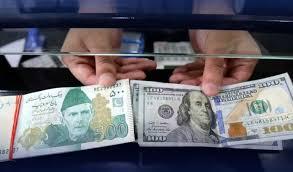
The exchange rate of 1 USD to PKR is one of the most discussed financial indicators in Pakistan. It reflects how much one United States dollar is worth in Pakistani rupees at a given time. While many people search this term simply to check the latest conversion value, the meaning behind the number is much deeper. It affects the national economy, influences business decisions, shapes government policies, and even impacts household budgets. Understanding the broader implications of this exchange rate can help individuals and companies make informed financial choices.
Understanding the Meaning Behind Dollar to Rupee Conversion
When people look up 1 USD to PKR, they are essentially measuring the strength of the Pakistani rupee against the US dollar. If the rate increases, it means the rupee has weakened because more rupees are required to buy one dollar. If the rate decreases, the rupee has strengthened relative to the dollar. This movement is influenced by multiple economic forces, including trade flows, inflation, foreign investment, and political stability.
Currencies operate in a global marketplace where demand and supply determine their value. In Pakistan, the demand for US dollars is high because the country imports oil, machinery, electronics, and many other essential goods that must be paid for in dollars. When demand for dollars rises and supply remains limited, the price of the dollar increases in rupee terms. This dynamic explains why exchange rates can fluctuate frequently.
Factors Driving Changes in the Exchange Rate
Several domestic and international factors determine the movement of 1 USD to PKR. Inflation is a significant element. When inflation in Pakistan rises faster than in the United States, the purchasing power of the rupee declines, often leading to depreciation. High inflation reduces confidence in the currency and increases the cost of goods and services.
Interest rates also play a role. If Pakistan offers higher interest rates compared to other countries, foreign investors may move capital into Pakistani markets to earn better returns. This inflow of foreign currency can strengthen the rupee temporarily. However, if economic uncertainty grows or political instability increases, investors may withdraw funds, placing pressure on the exchange rate.
Foreign exchange reserves are another crucial factor. When reserves are strong, the central bank has more capacity to stabilize the currency by intervening in the market. When reserves are low, maintaining stability becomes more difficult. Global factors such as oil prices, geopolitical tensions, and monetary policy decisions in the United States can also influence currency values worldwide, including the rupee.
Impact on Imports, Exports, and Trade Balance
The 1 USD to PKR rate directly affects Pakistan’s trade performance. When the dollar becomes more expensive, imported goods cost more in rupees. Since Pakistan relies heavily on imported fuel and raw materials, a rising dollar often increases production costs across various industries. These higher costs are frequently passed on to consumers, contributing to inflation.
On the other hand, a weaker rupee can benefit exporters. When Pakistani goods become cheaper in dollar terms, they are more attractive to international buyers. Export industries such as textiles, rice, and sports goods may see increased demand. However, this benefit can be partially offset if exporters rely on imported inputs that also become more expensive.
Maintaining a balanced trade position is essential for long-term currency stability. Persistent trade deficits, where imports exceed exports, create ongoing demand for dollars and can lead to sustained depreciation of the rupee.
Influence on Everyday Financial Decisions
For individuals, the value of 1 USD to PKR has practical implications. Families paying for education abroad must convert rupees into dollars, and a higher exchange rate means higher expenses. International travelers face increased costs for flights, accommodation, and shopping when the rupee weakens.
Online shopping and subscription services priced in dollars also become more expensive as the exchange rate rises. Freelancers and remote workers who earn in dollars, however, may benefit from a higher dollar rate because their income converts into more rupees. This can improve their purchasing power domestically.
Remittances from overseas Pakistanis also play a key role. When expatriates send money home, a stronger dollar translates into more rupees for their families. These remittance inflows support household consumption and contribute to foreign exchange reserves, which can help stabilize the currency.
Business Strategies in Response to Currency Fluctuations
Businesses closely monitor the 1 USD to PKR rate to manage financial risks. Companies involved in international trade often use financial instruments to protect themselves from sudden exchange rate changes. Locking in a specific rate for future transactions can provide certainty and reduce exposure to volatility.
Import-dependent businesses must adjust pricing strategies when the dollar rises. They may seek alternative suppliers, negotiate contracts, or pass costs to consumers. Export-oriented firms, meanwhile, evaluate how currency shifts affect their competitiveness in global markets.
Financial planning becomes especially important during periods of rapid exchange rate movement. Companies that anticipate trends and adapt quickly are better positioned to maintain profitability despite currency challenges.
Government Policies and Economic Stability
The government and central bank play significant roles in shaping currency trends. Monetary policy decisions, such as raising or lowering interest rates, influence inflation and capital flows. Fiscal discipline, effective taxation policies, and efforts to boost exports can strengthen investor confidence.
Structural reforms aimed at increasing domestic production and reducing reliance on imports are also critical for stabilizing the rupee over the long term. By encouraging foreign direct investment and supporting key export sectors, policymakers can improve the balance of payments and reduce pressure on the exchange rate.
Global economic conditions will continue to influence 1 USD to PKR movements. Changes in US interest rates, shifts in global commodity prices, and international economic trends all have ripple effects on emerging market currencies like the rupee.
Long-Term Outlook and Financial Awareness
Historically, the rupee has experienced gradual depreciation against the dollar, reflecting structural economic challenges. However, periods of stability and recovery have also occurred when reforms and positive economic indicators improved confidence.
For individuals and businesses alike, staying informed about exchange rate trends is essential. The value of 1 USD to PKR serves as a mirror of economic performance and global integration. Monitoring this rate helps with budgeting, investment planning, and strategic decision-making.
In conclusion, the exchange rate is more than a currency conversion figure. It represents the interaction between domestic policies, global markets, and economic fundamentals. By understanding the forces that influence this rate and how it affects various sectors, people can make smarter financial choices and prepare for both opportunities and challenges in a dynamic economic environment.




 English
 Arabic
 French
 Spanish
 Portuguese
 Deutsch
 Turkish
 Dutch
Dutch
 Italiano
 Russian
 Romaian
 Portuguese (Brazil)